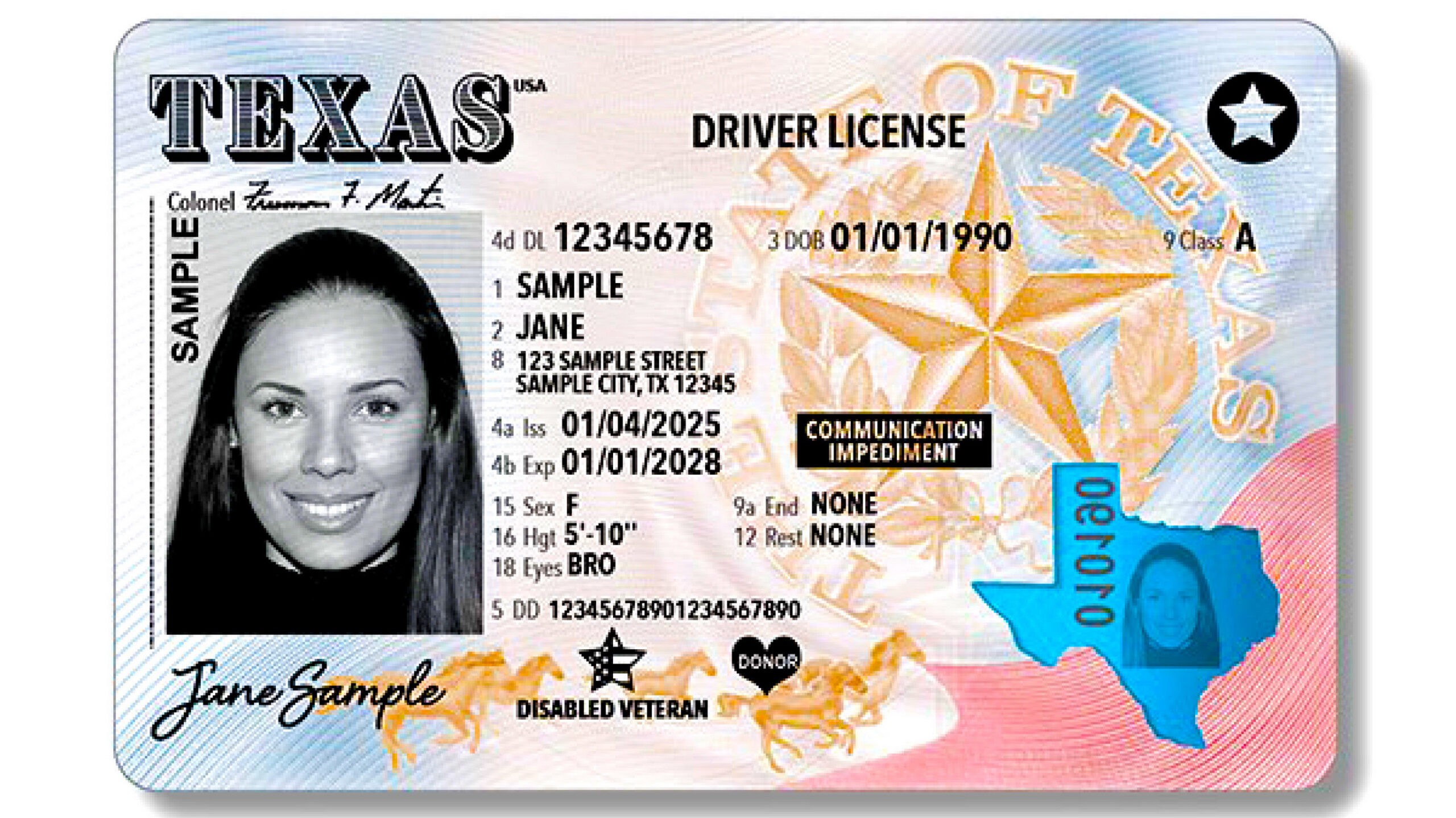
Texas has implemented a new policy requiring proof of legal residency to register or renew a vehicle, a move poised to significantly alter driving regulations across the state. Effective mid-November, the Texas Department of Motor Vehicles (DMV) will only process registrations for individuals who can demonstrate current lawful presence.
The Shift in Policy
On November 18, the state’s DMV issued a directive to county tax offices, mandating that only residents with verifiable legal status can register or renew their vehicles. This change was abrupt, communicated via email without a phased rollout. The move follows calls from Republican State Representative Brian Harrison, who previously criticized the Governor and DMV for allowing “illegal aliens” to obtain vehicle registrations.
Texas already mandates legal residency for driver’s licenses, but this new rule extends that requirement to vehicle ownership. Albert Uresti, Bexar County Tax Assessor-Collector, acknowledged the policy’s impact, stating that “it’s going to be a big change” and that further clarification is needed.
The Rationale Behind the Rule
Representative Harrison argues that undocumented drivers contribute to higher insurance rates and increased road dangers. This argument has fueled recent legislative efforts to tighten immigration-related policies across state agencies. However, critics contend that the policy could backfire by increasing the number of uninsured and unregistered vehicles on the road.
Previously, some undocumented residents could legally register vehicles and obtain insurance. With this option removed, they may now drive without valid coverage, potentially raising risks for all motorists.
Real-World Implications
Monica Rodriguez, an Austin-based title and insurance agent, described the policy as “blocking survival” for families without legal status. Without vehicle registration, these residents may be unable to legally drive to work or purchase essential goods, rendering everyday life unsafe and stressful. The practical and legal consequences of this rule change are still developing, but it could force more drivers onto the road without insurance, increasing overall risk.
This policy underscores a growing trend in Texas to link essential services directly to immigration status, raising questions about access and equity for non-citizens. The change’s effectiveness in reducing road dangers remains uncertain, as it may simply shift risks rather than eliminate them.