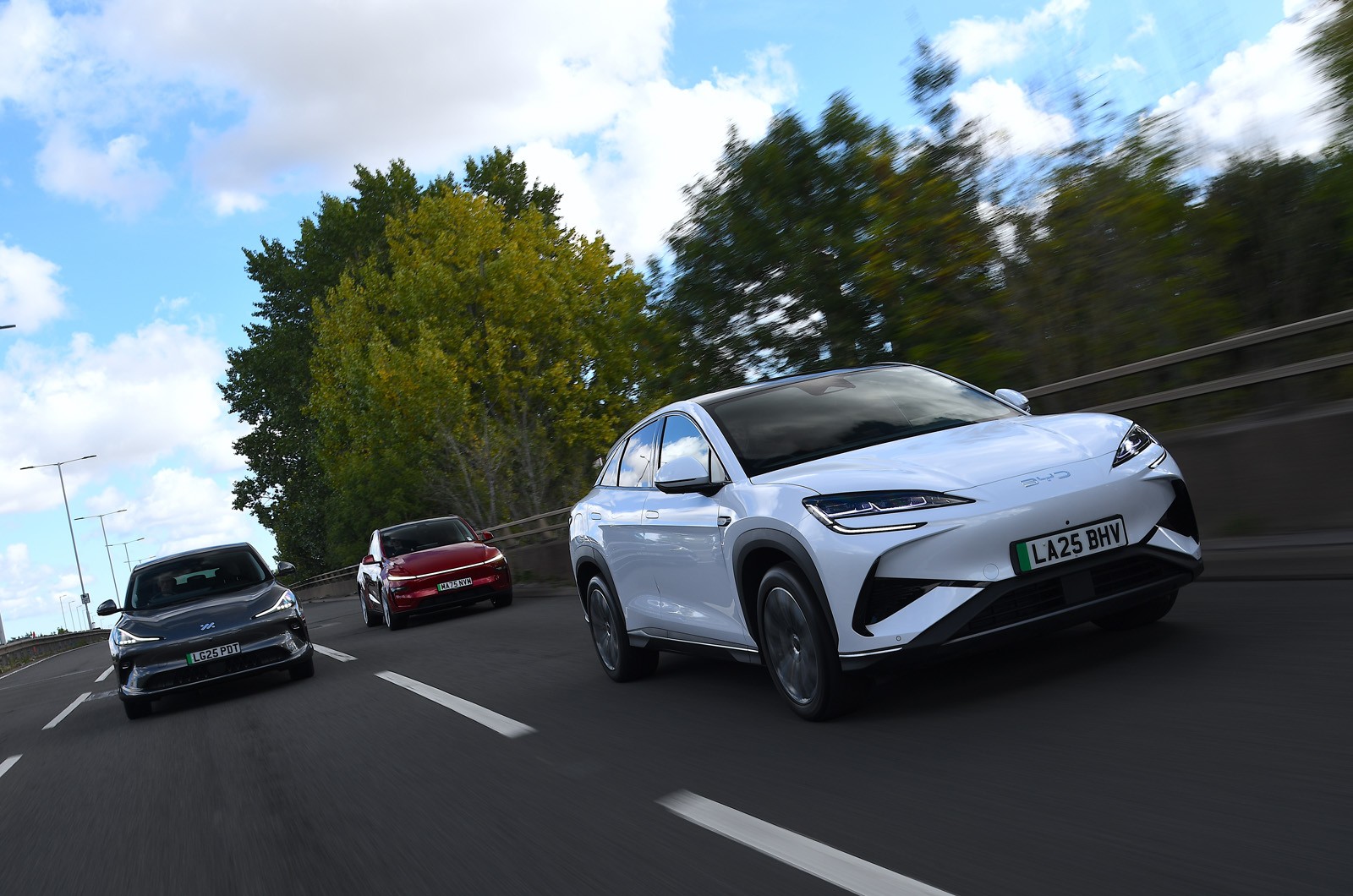
The UK car industry is warning that a proposed pay-per-mile tax on electric vehicles (EVs) could severely harm the sector’s recent progress. The new levy, set to be announced in Chancellor Rachel Reeves’s Autumn Budget, is seen by the Society of Motor Manufacturers and Traders (SMMT) as a counterproductive step that may wipe out recent gains in EV adoption.
Tax Details and Industry Concerns
Under the plan, EV drivers will face a 3p per mile charge starting in 2028. This is on top of the existing £195 annual vehicle excise duty (VED) already applied to EVs. For someone driving 8,000 miles a year, this would result in an annual tax bill of £435—a significant increase compared to last year’s charges for EV owners.
The SMMT argues this tax “singles out electric cars” unfairly, and will discourage potential buyers from switching to EVs. This is particularly concerning given the government’s own push for increased EV sales through the Zero Emission Vehicle (ZEV) mandate. The mandate requires automakers to achieve increasingly strict EV sales targets: 28% in 2025, rising to 80% by 2030, with a full transition by 2035.
Mixed Signals from the Government
The proposed tax comes despite the government’s recent pro-automotive initiatives. These include a £2.5 billion innovation fund, favorable trade deals with the US and India, adjustments to the ZEV mandate framework, and a new Electric Car Grant (ECG). The SMMT acknowledges these measures as evidence of the government’s commitment to the automotive sector’s economic importance and decarbonization efforts. However, they warn that the pay-per-mile tax undermines these positive steps.
The tax is intended to recoup revenue lost as motorists shift from gasoline and diesel cars to EVs. The government anticipates losing 400,000 EV sales as a result of the new tax.
Why This Matters
The UK’s automotive industry is a crucial part of the economy, and the government’s EV policies are key to a sustainable future. This pay-per-mile tax could stifle the transition to electric vehicles, making the ZEV mandate harder to achieve and potentially damaging the industry’s growth trajectory. The conflict between encouraging EV adoption through incentives and taxing them into obsolescence creates uncertainty for both automakers and consumers.
The government is now in the process of public consultation before implementing this tax. The automotive industry will likely continue to push back, arguing that this measure will not only discourage EV adoption but also undermine the UK’s broader decarbonization goals.