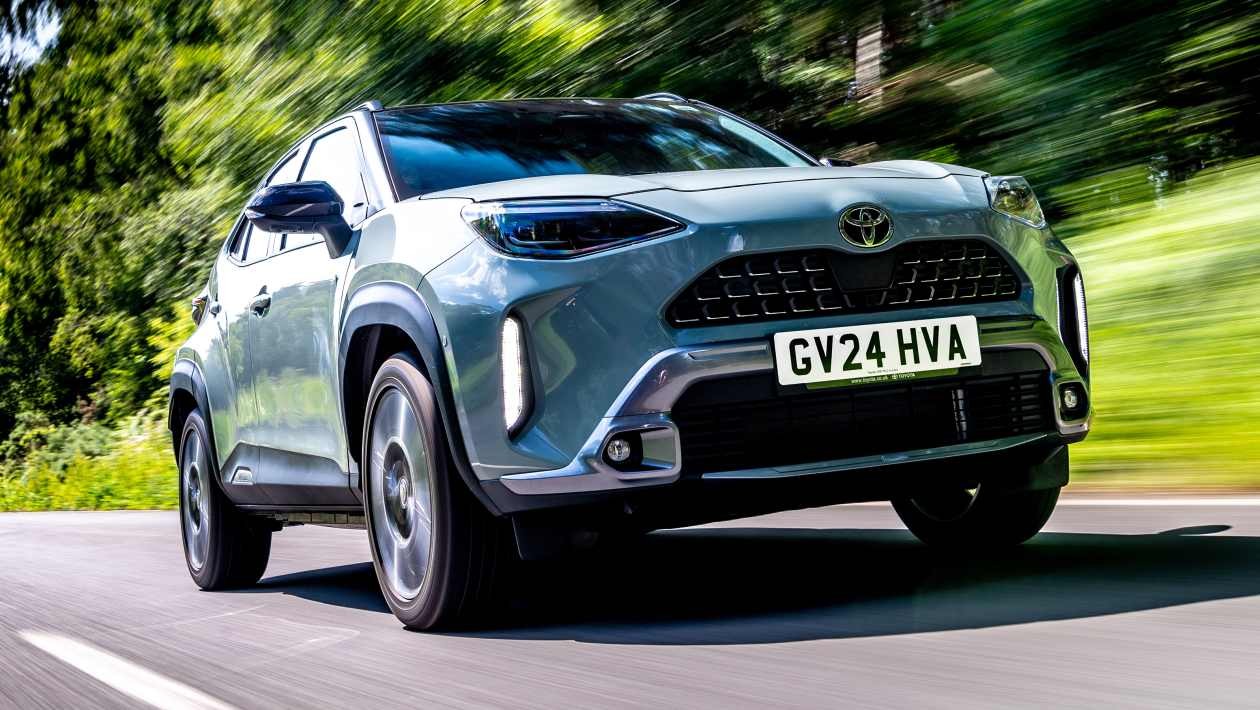
The Toyota Yaris Cross delivers a compelling blend of efficiency, practicality, and affordability in the competitive small SUV segment. Positioned as a higher-riding, more versatile alternative to the standard Yaris hatchback, this model shines in city environments, offering easy maneuverability, low running costs, and a comfortable driving experience. While it doesn’t excel in outright performance or interior luxury, the Yaris Cross has proven exceptionally popular in Europe since its 2021 launch – a testament to its well-rounded appeal.
Core Strengths: Efficiency and Value
The Yaris Cross stands out for its hybrid powertrain, which prioritizes fuel economy over sporty driving dynamics. Toyota’s self-charging hybrid system is particularly effective in urban conditions, allowing for short stretches of electric-only driving at speeds up to 30 mph. This contributes to real-world MPG figures averaging between 55 and 63 mpg, making it a cost-effective choice for daily commutes.
Why this matters: Rising fuel prices and growing environmental awareness make hybrid vehicles increasingly attractive. The Yaris Cross addresses these concerns without sacrificing everyday usability.
The vehicle’s pricing is also competitive, with entry-level models starting around £25,500. This positions it favorably against rivals like the Ford Puma and Hyundai Kona, especially for budget-conscious buyers.
What to Expect: Practicality Over Luxury
Inside, the Yaris Cross prioritizes function over flair. The cabin materials are durable but not particularly premium, and some rivals offer more spacious rear seating. However, Toyota has made improvements to interior refinement, including thicker glass to reduce road noise.
The infotainment system has been updated with larger touchscreens (up to 10.5 inches), offering wireless Apple CarPlay and Android Auto compatibility. While functional, it isn’t the most advanced system on the market.
Key Consideration: If interior aesthetics and cutting-edge tech are top priorities, other small SUVs may be more appealing. The Yaris Cross focuses on providing a reliable, practical space rather than a luxurious one.
Driving Experience: Comfort and Ease
The Yaris Cross isn’t designed for driving enthusiasts. Acceleration is adequate but not thrilling, and the CVT automatic transmission lacks the responsiveness of a traditional gearbox. However, the ride is reasonably comfortable at lower speeds, making it well-suited for city driving.
The GR Sport trim offers slightly stiffer suspension and more aggressive styling, but the trade-off is a harsher ride quality. The standard suspension provides a better balance between comfort and handling for most drivers.
The Verdict: The Toyota Yaris Cross isn’t about excitement; it’s about getting you from point A to point B efficiently and reliably.
Long-Term Ownership: Reliability and Residual Value
Toyota’s reputation for reliability extends to the Yaris Cross. Long-term tests have shown the vehicle to be trouble-free, with low maintenance costs and strong residual values. After three years, it retains between 49 and 54 percent of its original price – comparable to the Ford Puma and superior to some electric alternatives.
Financial Implications: The Yaris Cross is an economical choice in the long run, with relatively low insurance costs and excellent fuel efficiency. However, company car drivers may find other options more tax-efficient.
Conclusion
The Toyota Yaris Cross is a sensible, well-rounded small SUV that excels in urban environments. Its hybrid powertrain, competitive pricing, and proven reliability make it a strong contender for buyers seeking practicality and value. While it may not be the most exciting vehicle on the road, it delivers on its core promise: efficient, comfortable, and dependable transportation.