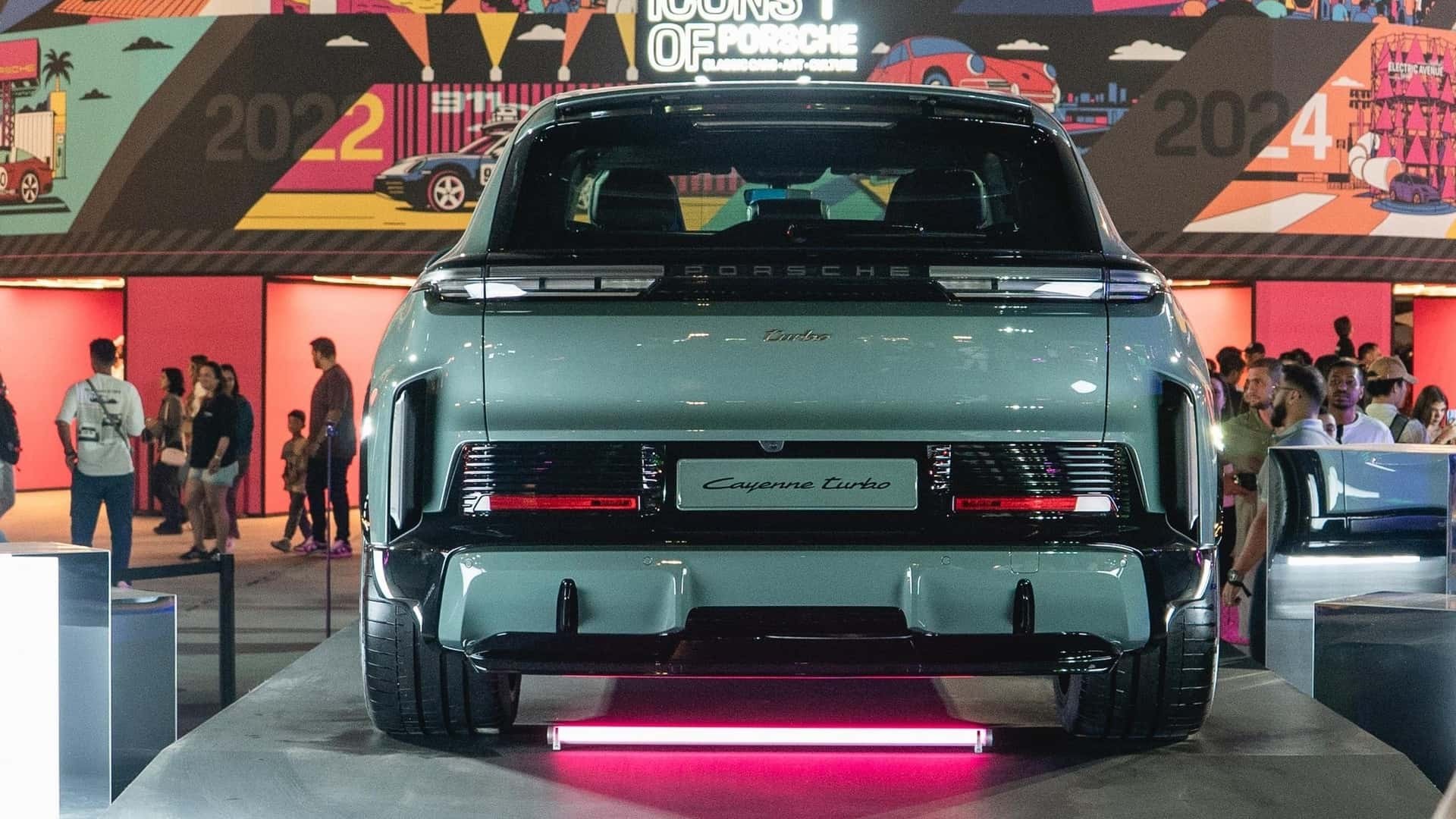
Porsche is pushing back against concerns over the Cayenne Electric’s substantial weight—the heaviest production model in the brand’s history at 5,831 pounds (2,645 kg). The bulk comes primarily from its massive 113-kWh battery, weighing 1,322 lbs (600 kg) alone.
Weight Distribution, Not Weight Itself, Is Key
According to Michael Schaetzle, VP of the Cayenne lineup, the weight isn’t an issue because of where it’s located. The battery is positioned low in the chassis, under the vehicle’s center of gravity. This actually improves handling, aided by upgrades like new tires, axles, and Porsche’s Active Ride System. “The car feels lighter than the ICE model,” Schaetzle insists.
To put this in perspective, the electric Cayenne weighs only 165 lbs (75 kg) more than a V-8 powered Cayenne Turbo. Porsche isn’t abandoning internal combustion either; the V-8 will remain available well into the 2030s, even in Europe, adapted to meet Euro 7 emissions standards.
Electric Advantage Off-Road?
Porsche also claims the Cayenne Electric excels off-road, thanks to the instant torque and precise power control of its electric motors. This is a bold claim, considering Porsche previously removed off-road hardware (like a low-range transfer case) from earlier Cayenne generations to save weight, with minimal customer backlash.
Future Plans: Combustion Engines First
Porsche is already developing an even larger electric SUV (codenamed “K1”). Originally planned as EV-only, it will now launch with combustion engine options first. CEO Oliver Blume cited “new market realities and changing customer demands” as the reason. This suggests that while Porsche is committed to electric vehicles, the transition is slower than anticipated.
Ultimately, Porsche’s message is clear: numbers don’t tell the whole story. Weight isn’t a disadvantage if it’s managed effectively, and customer preferences still drive engineering decisions.