


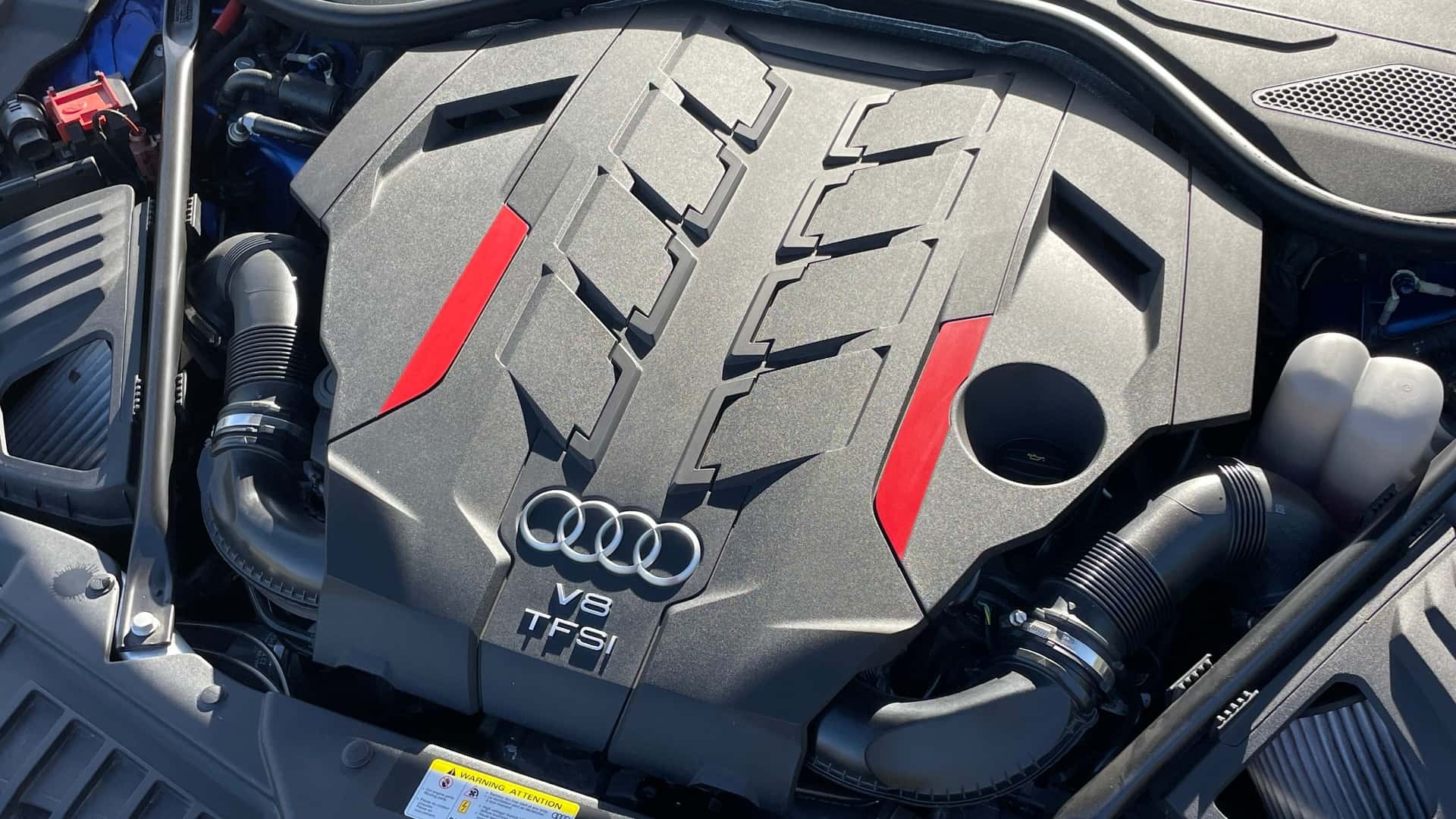
The European Union will no longer enforce a planned ban on the sale of new combustion engine vehicles after 2035. This shift comes after intense lobbying from automakers, who argued the infrastructure for a full electric vehicle (EV) transition is not yet ready and that the move would cost hundreds of thousands of jobs. The decision reflects a pragmatic adjustment to the EU’s climate goals, prioritizing economic stability alongside environmental concerns.
The Pressure to Reverse Course
For months, the EU appeared firm on its 2035 deadline. However, growing pressure, particularly from German Chancellor Friedrich Merz, has pushed the Commission to reconsider. As confirmed by Commissioner for Sustainable Transport and Tourism, Apostolos Tzitzikostas, combustion engines will now be allowed past 2035 – but only if they run on low-emission renewable fuels. This includes biofuels like HVO100 (made from vegetable oils and animal fats) and synthetic fuels, such as Porsche’s eFuel produced in Chile using wind energy.
Why this matters: The original ban was based on the assumption that battery technology and charging infrastructure would be mature enough by 2035. The reality is that EV adoption still lags in many regions, and a sudden switch would cripple the auto industry. Allowing renewable fuels buys time for technological development and infrastructure improvements.
The Renewable Fuel Loophole
The new policy hinges on the feasibility of scaling up production of low-emission fuels. HVO100 and synthetic gasoline can theoretically reduce emissions by 90% compared to conventional fuels. However, critics point out that widespread availability of these alternatives within the next nine years is highly uncertain.
The unresolved question: Will plug-in hybrids (PHEVs) and range-extended engines also be permitted? The logic suggests they will, as long as they operate on approved low-emission fuels. The fate of vehicles running on traditional fossil fuels remains unclear.
EV Adoption and Future Outlook
Despite the reversal on the ICE ban, EVs are steadily gaining market share in Europe. Through October 2023, they represented 18.3% of total car sales, though hybrids (34.7%) still dominate. The shift towards EVs is ongoing, but not fast enough to justify a complete combustion engine cutoff by 2035.
The EU now aims for an “economically viable and socially fair” transition, considering all technological advancements. While Volvo and Polestar remain committed to the original ban, the majority of automakers will welcome this change.
In conclusion: The EU’s decision is a calculated compromise. It acknowledges the practical challenges of a rapid EV transition while still prioritizing emission reductions through renewable fuel alternatives. The long-term impact will depend on the speed at which these fuels become scalable and affordable.


