Australia’s automotive market is rapidly changing, with a surge of new brands entering the scene. While customer interest is growing, a critical challenge remains: ensuring reliable aftersales support, particularly the availability of spare parts. This is especially acute for newer, unfamiliar brands where consumer trust is still developing.
Growing Pains for Emerging Brands
Xpeng, a Chinese automaker that began Australian deliveries in August 2024, exemplifies these challenges. TrueEV, the brand’s local distributor, acknowledges ongoing difficulties in meeting customer expectations. CEO Jason Clarke states, “Availability of stock, availability of parts, they’re forever a challenge.” The core issue is a mismatch between demand and supply as the brand scales up: going from zero cars on the road to dozens needing repairs quickly creates strain.
The expectation is immediate parts availability, yet the reality involves delays ranging from same-day delivery to up to six weeks, depending on the component and shipping from China. However, TrueEV notes that these wait times are decreasing as the brand expands its local footprint.
Strategies for Building Trust
Other brands are proactively addressing these concerns. GAC has highlighted its Melbourne parts warehouse, while Denza leverages BYD’s established supply infrastructure. TrueEV is tackling the issue by partnering with Ultra Tune for servicing and roadside assistance, bridging the gap in physical retail presence. Currently, Xpeng lacks locations in South Australia, the Northern Territory, and the ACT, though expansion plans are underway.
Streamlining Supply with Focused Models
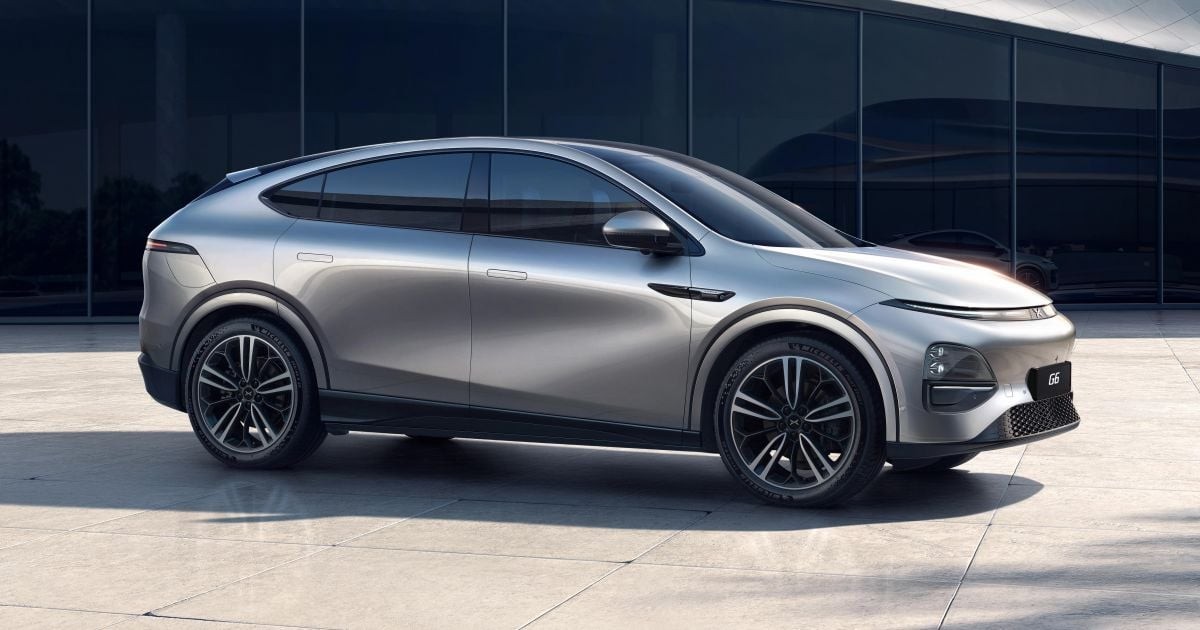
For now, Xpeng’s strategy is simplified by focusing on a single model: the G6 electric SUV. This concentrated approach aids parts management and consumer recognition. As Clarke explains, “The focus on the G6 has been helpful… To have more models builds more trust in the brand.” New models, including the G9L SUV and X9 people mover, are slated for release in 2026.
TrueEV maintains exclusive distribution rights to Xpeng, allowing focused marketing and operational optimization. To date, over 2,000 Xpeng vehicles have been delivered since launch. The company will soon begin reporting sales figures to industry bodies like the Federal Chamber of Automotive Industries and the Electric Vehicle Council.
Expansion Plans and Future Outlook
TrueEV plans to expand its retail network from 18 to at least 25 locations by the end of 2026. The company remains confident in its progress, as evidenced by Clarke’s statement: “We’re very, very happy with the achievement and very happy with the numbers.”
The success of new auto brands in Australia hinges on their ability to resolve these supply chain challenges. Building consumer confidence requires not just innovative products, but also a commitment to reliable aftersales service.