Despite being discontinued in 2025, the Toyota Fortuner remains popular, with sales increasing 12% year-over-year. This begs the question: why cancel a vehicle people clearly want? The answer lies in Toyota’s broader product strategy, but that doesn’t mean fans can’t speculate on what a future Fortuner could look like.
The HiLux Connection
The Fortuner is built on the same platform as the Toyota HiLux pickup truck. With the recent, significant update to the HiLux – including a redesigned interior, updated suspension, and new safety features – many buyers would naturally expect the next Fortuner to inherit these improvements. Digital artists like Theottle have already rendered what such a vehicle might look like.
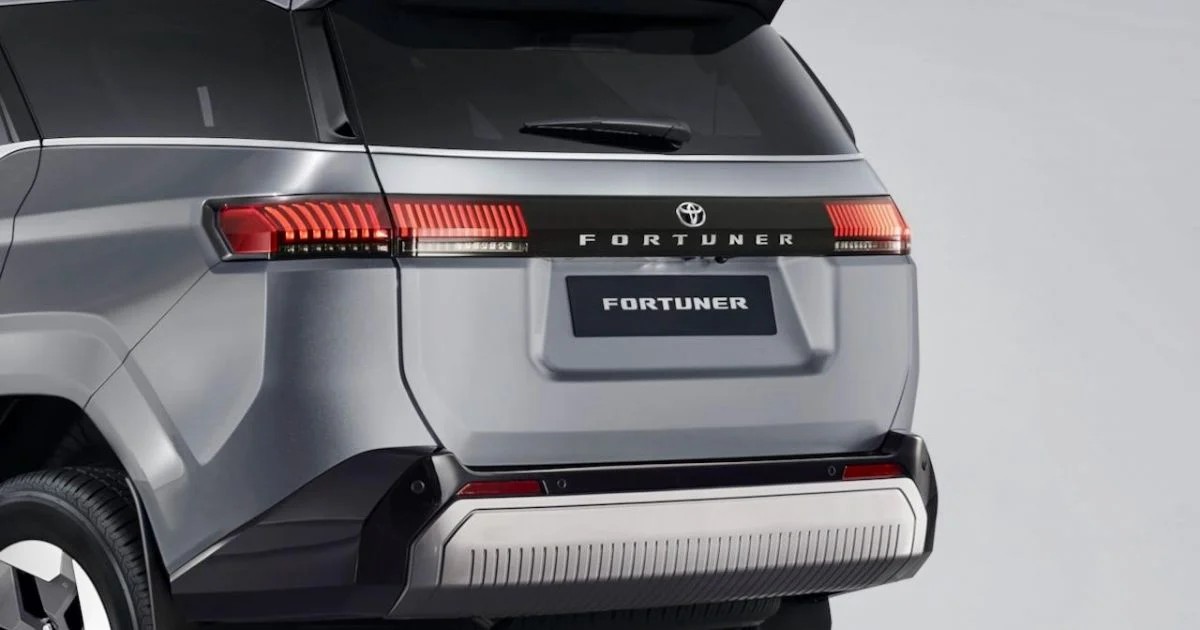
The key changes are simple: fresh front and rear styling, better ride quality, modern safety tech, and the familiar 2.8-liter turbo-diesel engine. The Fortuner would retain unique taillights and tailgate to distinguish it from the HiLux, but the core updates would be shared.
Why Discontinue It?
Toyota’s decision to drop the Fortuner isn’t about demand; it’s about streamlining the lineup. The company likely determined the overlap between Fortuner and other SUVs (like the Prado) was too great, or that resources were better allocated elsewhere.
However, the aftermarket already demonstrates how easy it is to “upgrade” older Fortuners with new HiLux parts – swapping bumpers, lights, and panels. This suggests Toyota could easily offer a refreshed Fortuner with minimal effort.
The Bottom Line
The Fortuner’s demise is a reminder that vehicle lifecycles are driven by corporate decisions, not always consumer preference. The fact that demand remained strong even as the vehicle was phased out highlights a missed opportunity for Toyota. Whether a future Fortuner returns remains uncertain, but the aftermarket proves the desire for a modern, HiLux-based SUV is very much alive.