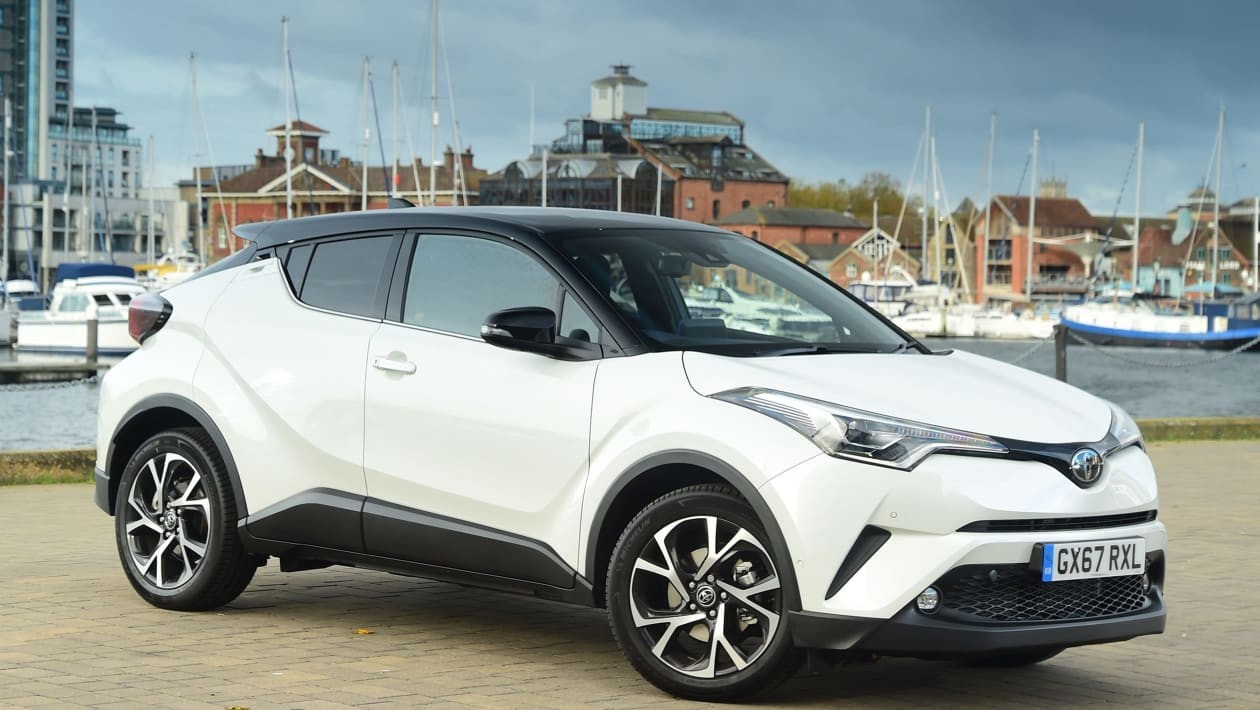
The first-generation Toyota C-HR stands out with its distinctive styling, but its powertrain technology is showing its age in today’s hybrid market. While not a plug-in hybrid, the C-HR still offers a compelling package due to its high-quality interior, efficient engines, and Toyota’s renowned reliability. This guide provides a breakdown for used-car buyers, covering history, trim levels, potential issues, and alternatives.
Toyota’s History of Reliability
Toyota has built a global reputation for dependability since entering the UK market in 1965. With over three million cars sold in the UK and a manufacturing presence since 1992, Toyota has become a dominant player in the automotive industry, often competing directly with Volkswagen Group in terms of global sales. This commitment to reliability is a key selling point for the C-HR, making it an attractive option for buyers prioritizing long-term ownership peace of mind.
Model History and Trims
The C-HR debuted at the 2016 Geneva Motor Show, with UK deliveries starting in January 2017. Initial engine choices included a 1.2-liter turbocharged petrol and a 1.8-liter hybrid. The 1.2T was available with manual or automatic transmissions and either front-wheel or all-wheel drive, while the hybrid was front-wheel drive and automatic only.
Trim levels evolved over time:
- Icon: Entry-level with 17-inch alloys, climate control, and basic infotainment.
- Excel: Added 18-inch wheels, privacy glass, heated seats, and navigation.
- Dynamic: Sportier styling with LED headlights and a black roof, retaining many Excel features.
- Design: Introduced in 2018, offering unique design elements.
In 2019, Toyota dropped the 1.2T and introduced a more powerful 2.0-liter hybrid alongside updated infotainment with Apple CarPlay and Android Auto.
Pricing and Availability
The used C-HR market offers a range of prices, starting from around £9,000 for older models to over £24,000 for recent, low-mileage examples. Prices vary significantly based on year, mileage, trim, and engine choice.
Which C-HR Should You Buy?
The 1.2-liter petrol engine is adequate for long-distance driving, but the hybrid models are generally more practical and easier to resell. All trims are well-equipped, with even the base Icon offering a generous feature set. Excel trims provide enhanced luxury and safety features, while Dynamic adds sporty styling.
Alternatives to Consider
The small crossover segment is crowded with competitors:
- Skoda Karoq/SEAT Ateca/VW T-Roc: Known for build quality and efficient engines.
- Ford Puma: Practical, value-driven, and engaging to drive.
- Peugeot 3008: Stylish, affordable, and well-equipped.
- Nissan Qashqai/Kia Sportage/Hyundai Tucson: Reliable and value-oriented.
- Lexus UX: Closely related to the C-HR, offering a hybrid option.
Common Issues and What to Look For
- Cracked Windshields: A recurring issue reported by owners, particularly in the top-right corner of the glass.
- Wind Noise: Ineffective door and window seals can cause excessive wind noise.
- Infotainment Glitches: Some users report occasional navigation system errors.
- CVT Transmission: The CVT in hybrid models can feel sluggish and may require adjustment.
- Towing Capacity: The hybrid models have limited towing capacity (725kg) compared to the 1.2T (up to 1,300kg).
Toyota has issued six recalls for the C-HR between 2017 and 2019, addressing issues like improperly bolted powertrains, fuel tank leaks, faulty software, wiring harness fires, and defective airbags. Ensure any potential purchase has had these recalls addressed.
Reliability and Running Costs
The Toyota C-HR has consistently scored well in owner satisfaction surveys, with strong ratings across all categories. Maintenance is straightforward, with services every 10,000 miles or 12 months. Engines use timing chains, eliminating the need for cambelt replacements. Battery warranties extend up to 15 years, and dealers often offer financing options for unexpected repairs.
Driving Experience
The C-HR’s chassis, based on Toyota’s New Global Architecture, delivers composed handling and a comfortable ride. Double wishbone rear suspension, a feature uncommon in this class, contributes to better stability and control. While the hybrid CVT can be frustrating for enthusiastic drivers, the overall driving experience is refined and comfortable.
Conclusion
The Toyota C-HR (Mk1) offers a blend of style, reliability, and efficiency. Its distinctive design, well-built interior, and Toyota’s reputation for dependability make it a smart choice for buyers seeking a hassle-free crossover. By carefully inspecting for common issues and verifying recall completion, you can secure a dependable and enjoyable vehicle.