


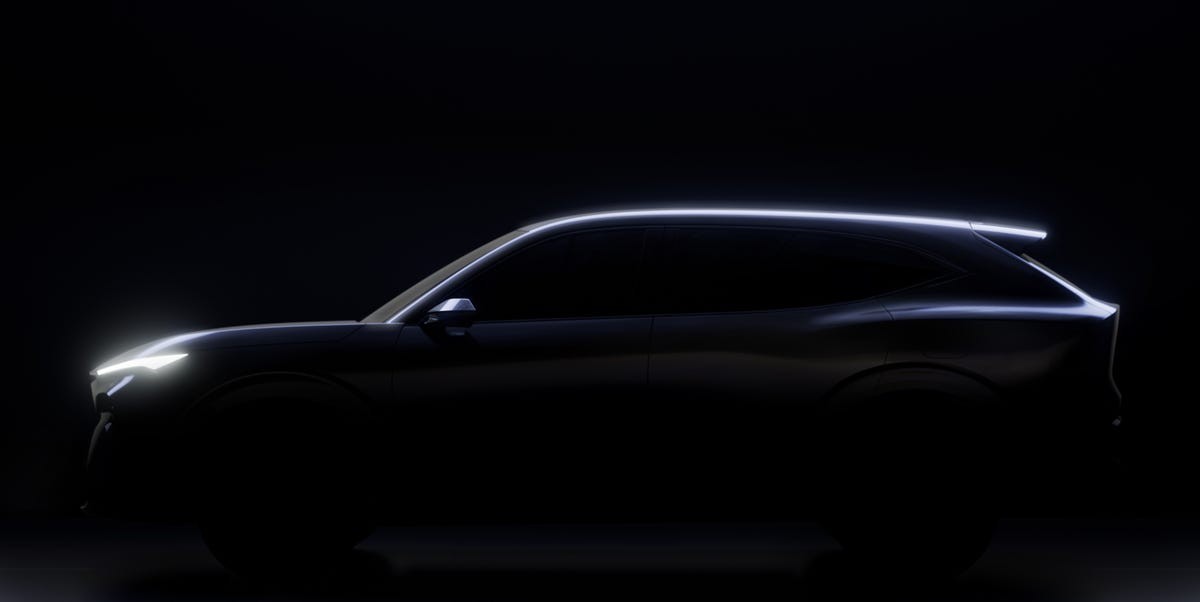
Acura has confirmed that the next-generation RDX will feature a two-motor hybrid powertrain, but its arrival is further off than initially expected. Production of the current RDX will cease this spring due to supply chain issues, leaving a gap before the 2028 model year launch.
Hybrid Powertrain and Design Teaser
The new RDX will utilize a hybrid system, likely similar to the one found in the Honda CR-V Hybrid (2.0-liter four-cylinder paired with two e-motors producing 204 horsepower and 40 mpg combined). A shadowy teaser image reveals a slightly larger silhouette than the current model, with notable rear haunches, a spoiler, and sleek LED running lights.
Why this matters: Acura’s shift to hybridization aligns with industry trends toward electrification and stricter emissions standards. The delay, however, underscores the logistical challenges manufacturers face in transitioning production lines and securing components.
Production Gap and Timeline
Acura cited supplier constraints as the reason for halting current RDX production. While inventory should last through most of this year, the next-generation hybrid model isn’t expected until late 2027 as a 2028 release. This extended gap is unusual, but Acura insists it’s necessary due to disruptions in the supply chain.
Broader Honda/Acura Updates for 2026-2027
Beyond the RDX, Honda and Acura have several other updates planned:
- Acura Integra Type S & MDX: Receiving enhancements in late 2026.
- Honda Civic Type R & Hybrid: Styling tweaks and the new S+ shift feature (from the Prelude) are coming later this year.
- Acura RSX EV: Launching in the second half of 2026, built in Ohio with Honda’s new ASIMO OS software. This is the first vehicle on Honda’s Zero Series platform.
- Honda Zero Series EVs: The SUV is still slated for 2026 (after the RSX), while the Saloon is delayed to 2027.
These plans indicate a broader push toward electrification, with Honda prioritizing its Zero Series EVs as future models.
The bigger picture: The industry is moving towards EVs, but supply chain issues and production delays are common. Automakers are adjusting timelines while adapting to new technologies and materials.
The delay of the RDX, though frustrating for buyers, is a symptom of these larger industry pressures. The hybrid powertrain is a step forward, but the wait will be longer than expected.


