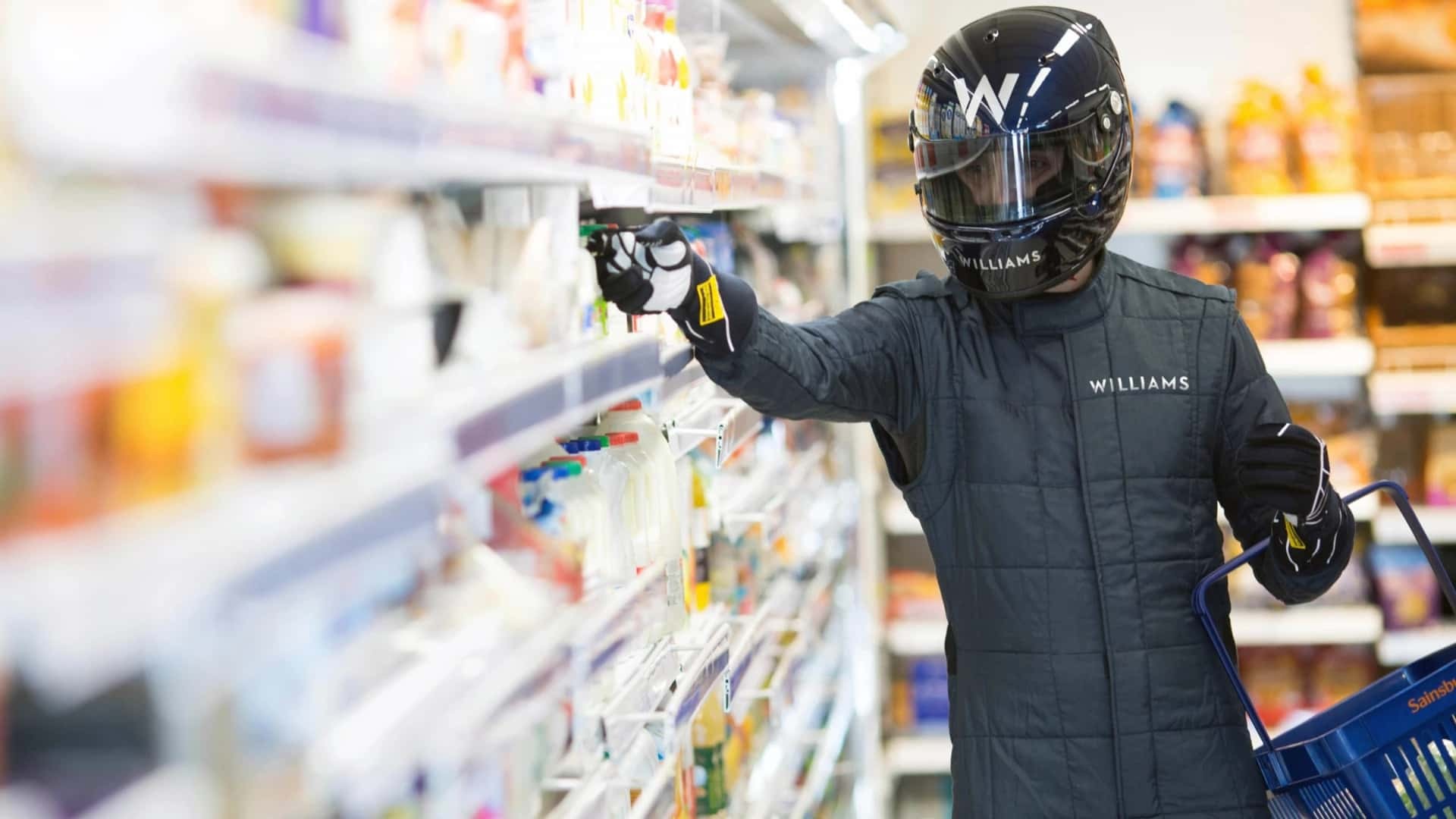
The cutting-edge world of Formula 1 isn’t just about speed and prestige; it’s a breeding ground for innovations that unexpectedly trickle down into everyday life. One surprising application? The chilled aisles of your local supermarket. Open-fronted refrigerators, designed for easy access, are now benefiting from aerodynamic technology originally developed by the Williams F1 team. This isn’t just about high-tech bragging rights—it’s a significant energy-saving breakthrough.
The Problem: Leaky Cold Air
Traditional open-fronted refrigerators suffer from a key inefficiency. Cooled air is pumped from the top down, but a considerable amount leaks out, forcing compressors to work harder and increasing energy consumption. This is a major issue because chilled aisles account for over half of a supermarket’s energy costs. A seemingly small leak adds up quickly when scaled across thousands of stores.
The Solution: The Aerofoil Blade
The fix? A seemingly simple airfoil—a blade-like strip—attached to the front of each shelf. This isn’t a random shape; it’s a carefully engineered piece of aerodynamic design. Developed by UK firm Aerofoil Energy in partnership with Williams Advanced Engineering, the airfoil uses principles borrowed directly from F1 rear wings.
The airfoil works by redirecting escaping cold air back into the cabinet, creating a more efficient cooling cycle. The technology leverages years of research into fluid dynamics, honed on some of the fastest machines on earth. Williams’ CFD tools were used to optimize the airfoil’s shape for low-speed airflow, ensuring both performance and cost-effectiveness.
From Downforce to Dollars
F1 cars generate immense downforce—around 1,760 pounds at 150 mph—but the core principle applies here: controlling airflow. Flipping the concept on its head, the airfoil guides air inwards instead of pushing the car down. Early tests were so effective they were initially dismissed as errors, requiring further verification.
The results speak for themselves: supermarkets using the technology see energy savings of up to 30%. Major UK retailers like Sainsbury’s, M&S, Tesco, and ASDA have already adopted the system, recouping their investment in under a year. The installation is quick and doesn’t require store closures, making it an easy win for businesses.
The Bigger Picture
This isn’t the first time F1 tech has found unexpected uses. Carbon ceramic brakes, paddle shifters, and energy recovery systems have all made their way into consumer vehicles. But the supermarket fridge example is particularly striking because it demonstrates how highly specialized engineering can solve mundane problems in a profoundly impactful way.
The Aerofoil Energy project was even nominated for the prestigious MacRobert Award in 2018, recognizing its engineering excellence. It’s a reminder that the most powerful innovations don’t always come from where you expect.
Ultimately, the next time you reach for a cold drink, remember that the technology keeping it chilled may have started life on a Formula 1 race track.