For decades, British car manufacturers operated with an unusual degree of opacity, refusing to publicly disclose detailed production and sales numbers. This practice persisted until 1969, when the Society of Motor Manufacturers and Traders (SMMT) finally began releasing comprehensive statistics for the industry’s major players: British Leyland, Ford, Rootes, and Vauxhall.
Early Data Scarcity
While overall vehicle production and export numbers were available as early as the 1900s through government trade records, these figures were presented in financial terms and lacked breakdowns by manufacturer or specific model. The SMMT began publishing its own statistics in 1923, reporting a total production of 153,000 vehicles, with 29,000 (19%) exported, primarily to Australia.
However, whether the SMMT kept even more granular data on makes and models during this period remains unclear. Some manufacturers, like Wolseley in 1934, made bold claims about top-selling vehicles in certain classes, but these were rarely backed by public figures.
Post-War Partial Disclosure
After World War II, automakers began to share some details, primarily categorized by vehicle capacity. In 1951, Autocar reported that cars under 1600cc were the most popular segment, but detailed model-specific sales remained elusive. This contrasted sharply with transparency in other countries:
- In Sweden (1954), Volvo, Volkswagen, and Ford openly led sales charts.
- France (1957) saw Renault dominating, outselling Simca, Citroën, and Peugeot by significant margins.
- The United States frequently showcased Chevrolet as its number one seller throughout the 1950s.
The 1969 Breakthrough
The turning point came in May 1969 when the SMMT released not just current sales data, but statistics spanning the previous four years. The British Motor Corporation’s (BMC) 1100/1300 range topped the 1965 charts with 158,000 sales, followed by the Ford Cortina (117,000) and Austin/Morris Mini (104,000).
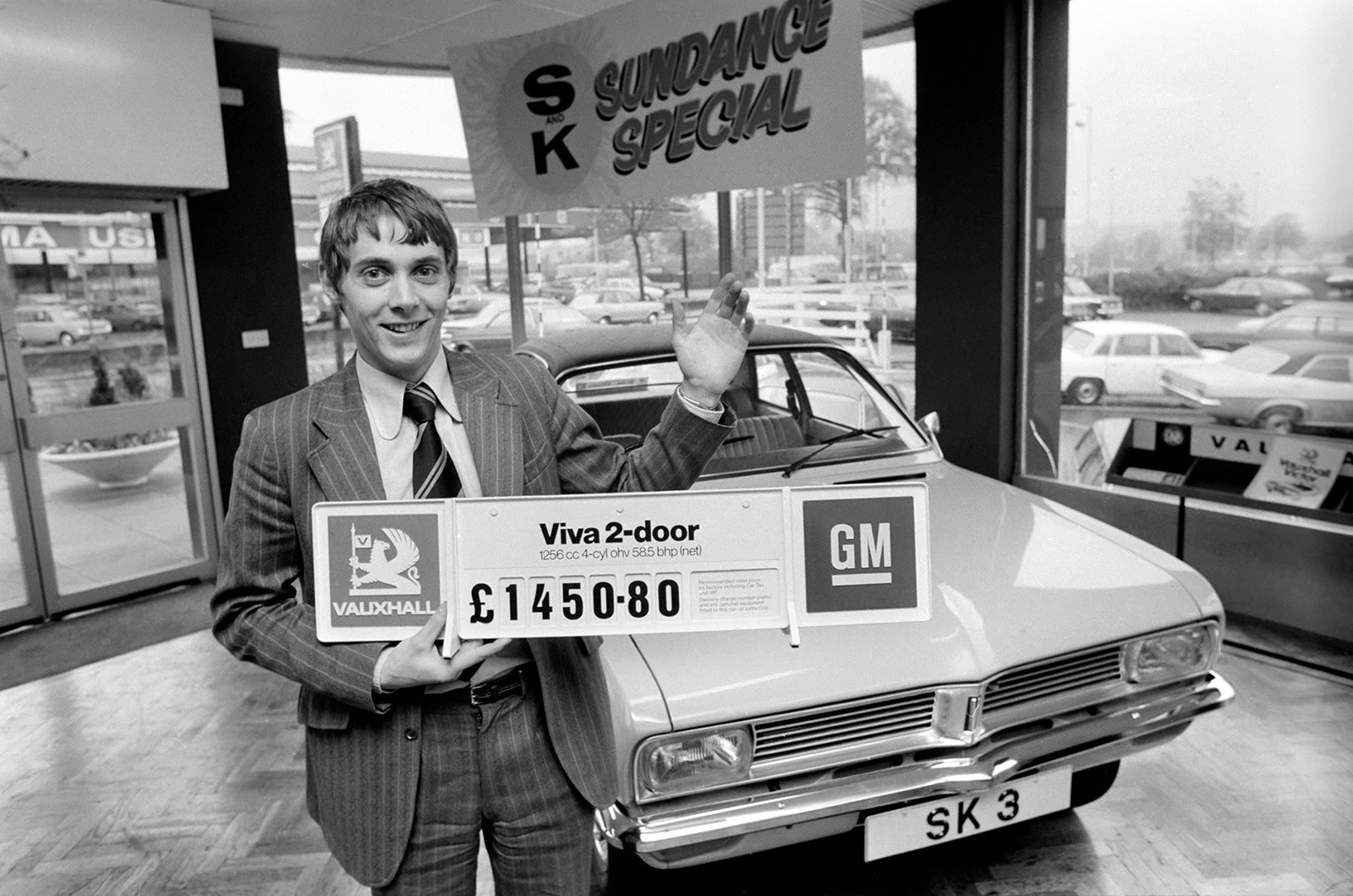
By 1967, the Cortina overtook the 1100/1300 with 165,000 sales versus 131,000, while the Vauxhall Viva emerged in third with 100,000 units sold.
Rising Imports
The data also revealed a concerning trend for British firms: imported cars were gaining ground, rising from 56,000 to 91,000 annual sales over those four years. Leading the charge were Fiat, Volkswagen, and Renault, though their combined market share remained modest at 2% each compared to British Leyland’s 40%, Ford’s 27%, Vauxhall’s 12%, and Rootes’ 10%.
The delayed release of sales figures by British automakers until 1969 underscores a historical reluctance to public scrutiny. The shift towards transparency may have been spurred by competitive pressures, as foreign manufacturers openly tracked and reported their successes. This move ultimately provided consumers with clearer market insights, while forcing domestic brands to confront their performance more directly.