


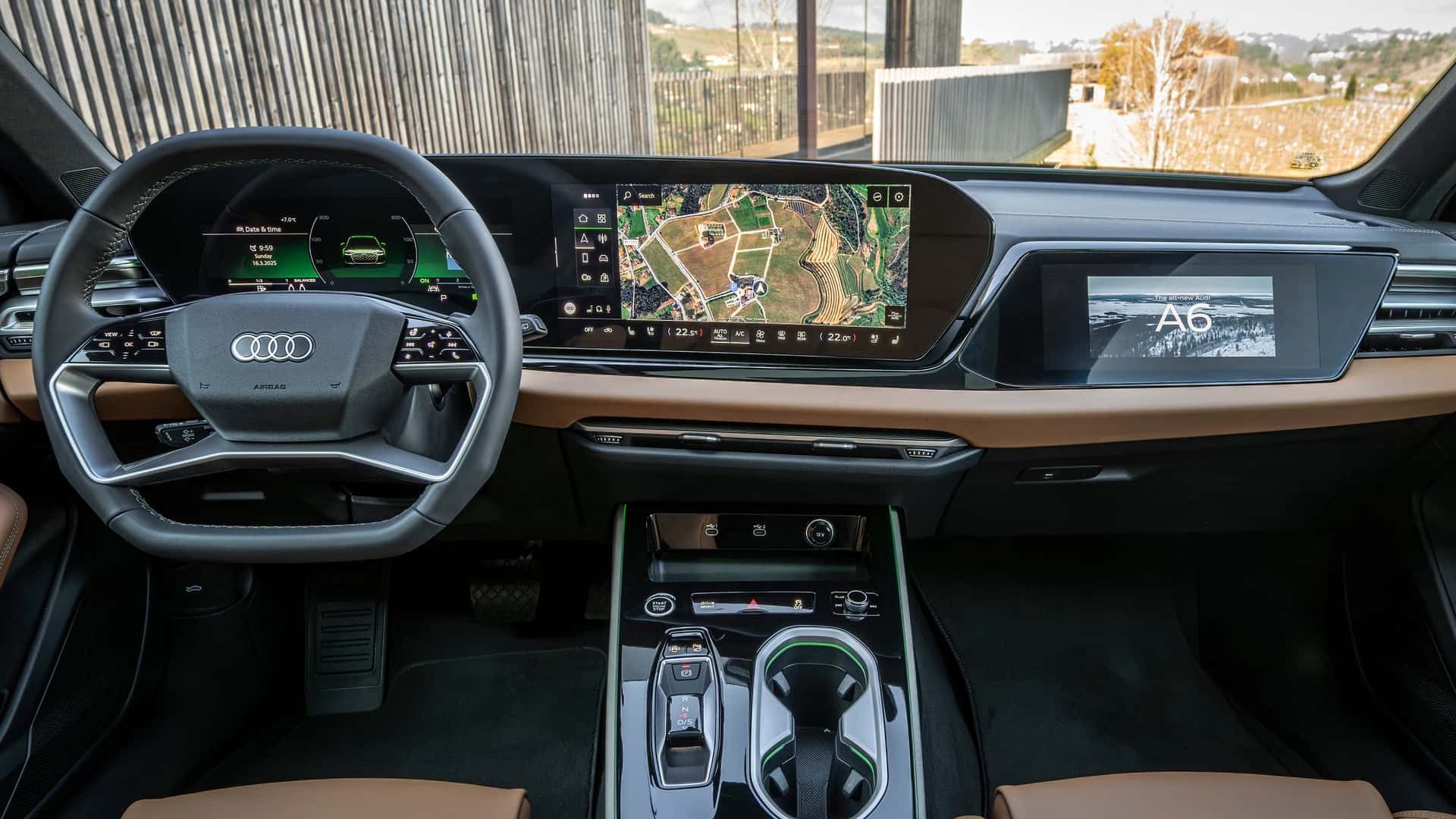
Audi’s design chief, Massimo Frascella, has openly criticized the automotive industry’s obsession with oversized touchscreens, signaling a shift back toward higher-quality materials and traditional controls in future models. The move comes as automakers grapple with consumer preferences and cost pressures that have led to increasingly digital, often cheaper, interiors.
The Problem with Screen Overload
For years, car interiors have become dominated by screens, driven partly by the massive Chinese market’s demand for “AI-first, connected vehicles.” Automakers have responded by replacing physical buttons and dials with infotainment systems, often streamlining production but at the cost of tactile quality.
This trend is not accidental: screens are cheaper to manufacture than bespoke physical controls. The result is a sea of glossy black plastic in many luxury vehicles, a direct contradiction of premium expectations. Even Volkswagen, Audi’s parent company, acknowledges that past interiors were better-made.
Audi’s New Direction
Frascella argues that “big screens are not the best experience… it’s technology for the sake of technology.” The company’s Concept C vehicle embodies this philosophy: its central display is downsized to 10.4 inches and can be retracted into the dash, reminiscent of Audi designs from the previous decade.
The aim is to restore the “Audi click” – the tactile satisfaction of well-built cabins with precise metal parts. Frascella emphasizes a “mix of digital and analog,” prioritizing both functionality and perceived quality.
The Competitive Landscape
While Audi pivots away from screen dominance, Mercedes-Benz embraces the opposite approach. Outgoing design chief Gorden Wagener defends large displays, arguing that they cater to entertainment needs and distinguish interiors. He even dismissed Audi’s Concept C as looking “like it was designed in 1995,” highlighting the diverging philosophies.
Audi, however, remains focused on its internal roadmap. The Concept C is slated to influence models starting in 2027, while the next-generation Q7 and Q9 will initially maintain the current design language. Frascella, appointed Chief Creative Officer in June 2024, will fully shape Audi’s future direction with the electric sports car’s arrival next year.
The Cost of Quality
The shift toward premium materials and physical controls could mean higher prices for consumers. Better fit and finish inevitably add to manufacturing costs. However, Audi must differentiate itself from the broader VW brand, which is also reintroducing buttons while upgrading materials.
Ultimately, the question is whether buyers will pay a premium for a more refined interior experience. If so, Audi’s move could set a new standard in luxury automotive design.
Audi’s decision reflects a growing recognition that technology should enhance, not define, the driving experience. The return to tactile quality and premium materials may prove to be a decisive advantage in a competitive market.


