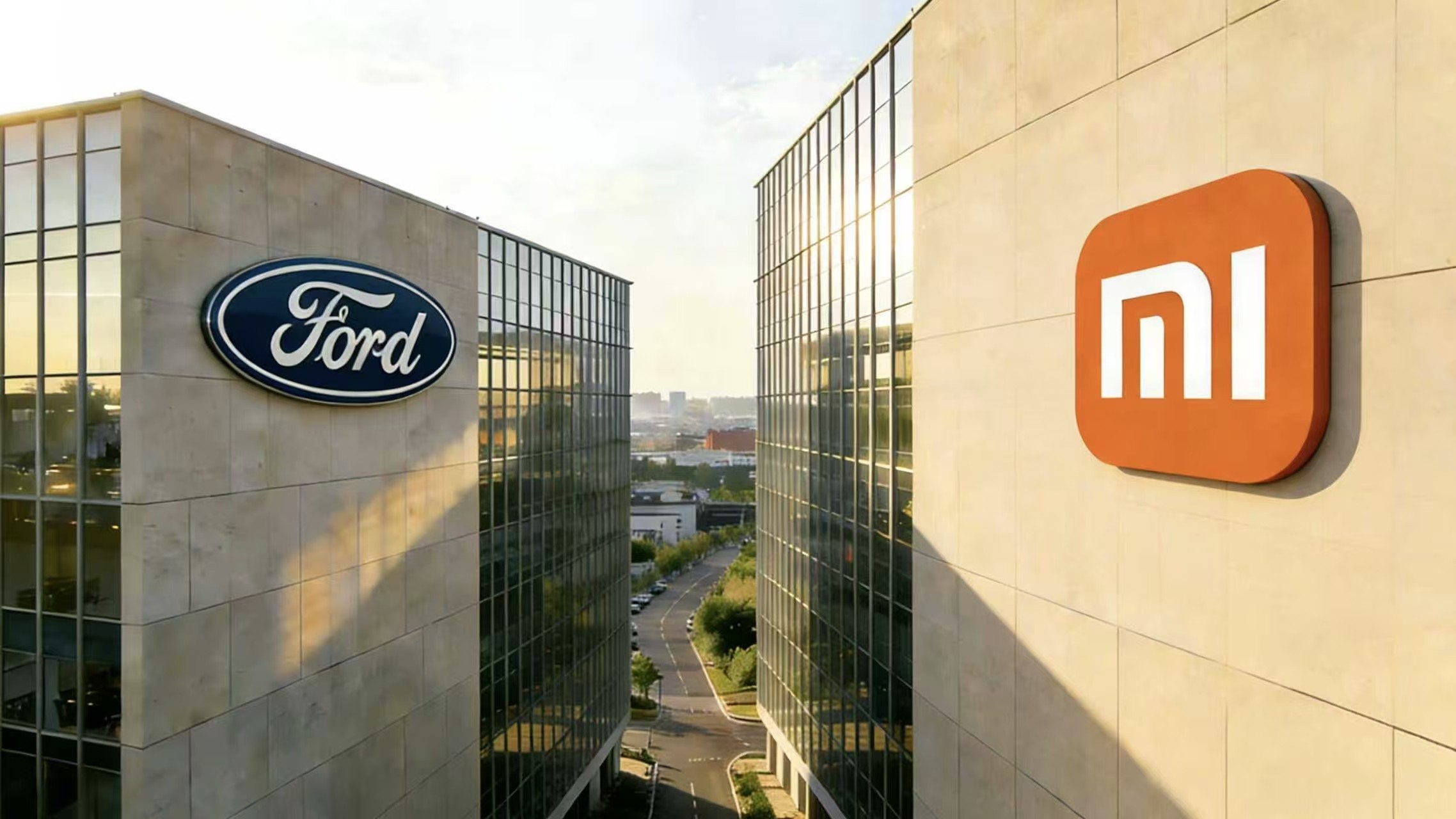
Both Xiaomi and Ford have publicly denied reports suggesting they were in talks to establish a joint venture for electric vehicle (EV) manufacturing within the United States. The denials followed an initial report from the Financial Times that cited anonymous sources claiming preliminary discussions had taken place.
Initial Claims and Subsequent Denials
The Financial Times article alleged that four individuals familiar with the matter had confirmed discussions between Ford and Xiaomi regarding potential EV production in the US. The report further suggested that Ford had also engaged in talks with BYD and other Chinese automakers. However, both Xiaomi and Ford swiftly refuted these claims. Xiaomi stated explicitly that no such negotiations occurred, and also noted that the company currently does not operate in the US market. Ford mirrored this denial, calling the report “completely untrue” and lacking any factual basis.
Broader Context: US-China Automotive Relations
The denials come amid increasing scrutiny of Chinese automotive activity in the US. The US government has implemented tariffs on imported Chinese vehicles and maintains restrictions on Chinese-made software and hardware within connected cars. This tightening policy environment raises questions about the feasibility of deeper collaboration between American and Chinese automakers.
Despite these restrictions, Ford CEO Jim Farley has publicly acknowledged the strength of Chinese EV technology, even importing a Xiaomi SU7 for personal evaluation. He has also warned that Chinese competitors represent a growing threat to Western automakers, and that their entry into the US market is likely. Ford already has a licensing agreement with CATL for battery technology used in US production, further illustrating the complex relationship between the two markets.
Xiaomi’s Automotive Expansion
Xiaomi’s entry into the automotive sector with its first EV model in 2024 marks a significant expansion from its consumer electronics base. Meanwhile, Chinese automakers like BYD are aggressively expanding sales internationally, including localized production in Europe, Southeast Asia, and Latin America.
The denials from both Xiaomi and Ford confirm that no current negotiations are underway for a joint venture in the US. However, the broader context suggests ongoing interest in Chinese EV technology from American automakers, despite geopolitical tensions.
This situation underscores the delicate balance between commercial interests and political pressures shaping the future of the global EV market.