


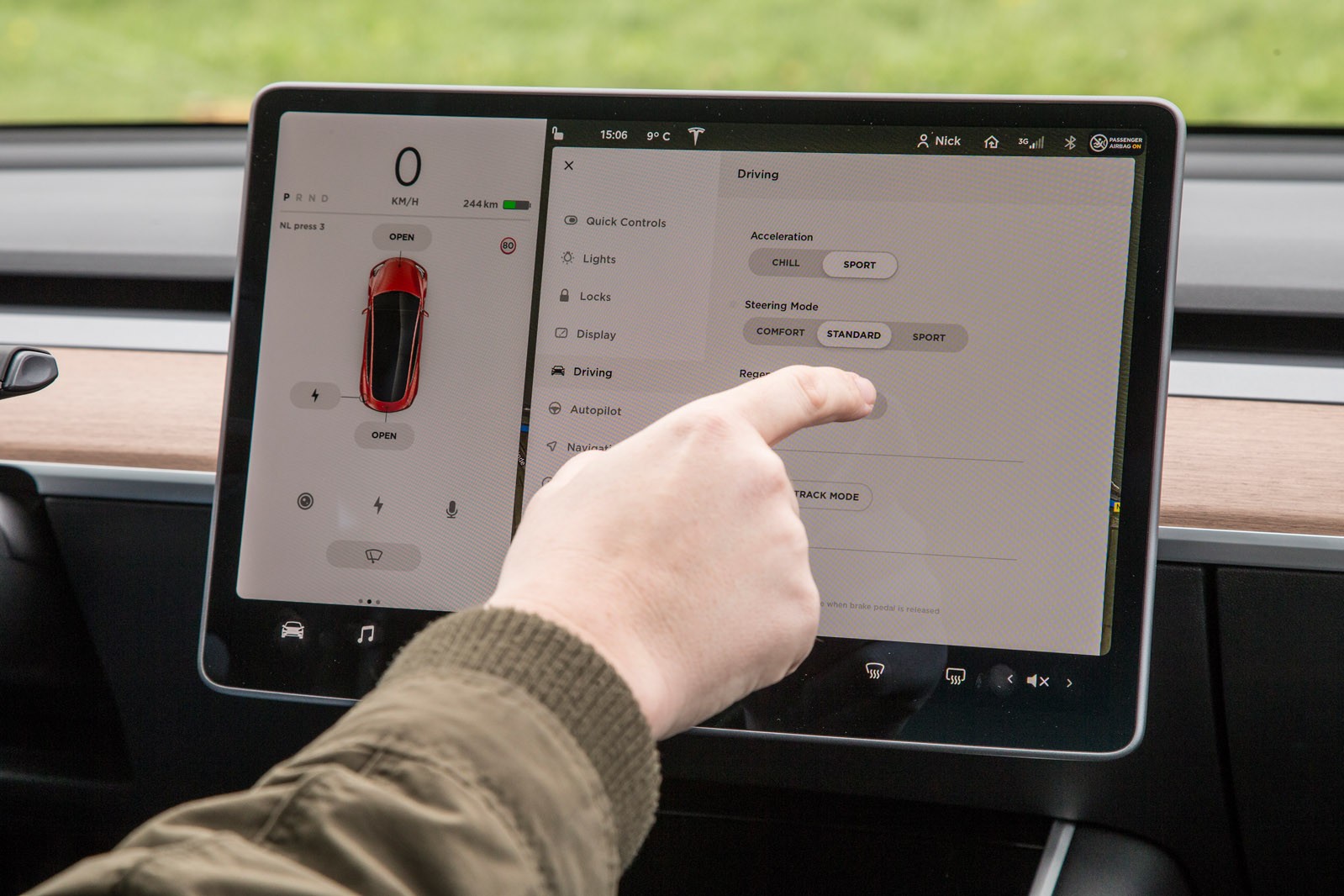
The designer behind the original iPhone, Jony Ive, has sharply criticized the widespread adoption of touchscreens as primary controls in modern vehicles. Despite his own role in popularizing the technology, Ive asserts that touchscreens are fundamentally unsuitable for in-car use due to safety concerns.
The Problem with Touchscreen Reliance
Ive explains that the iPhone’s touchscreen was designed to solve a different problem: creating a versatile, multi-purpose interface where physical buttons were impractical. He never intended for the technology to replace essential controls in situations where drivers must maintain focus on the road.
“I never would have used touch in a car [for the main controls]. It is something I would never have dreamed of doing because it requires you to look [away from the road]. So that’s just the wrong technology to be the primary interface.”
This critique highlights a critical flaw in many new car designs. Automakers, influenced by the success of touchscreens in consumer electronics, have increasingly integrated them into dashboards, sometimes replacing physical buttons altogether. This trend, Ive suggests, is driven more by fashion than by effective problem-solving.
Ferrari Luce: A Contrasting Approach
The recent unveiling of the Ferrari Luce EV interior offers a stark contrast to this trend. Ive’s design for the Luce features a central touchscreen alongside a comprehensive array of physical switches and buttons. This deliberate choice prioritizes safety and intuitive operation.
The physical controls are designed to be tactilely distinct, allowing drivers to operate them without taking their eyes off the road. The touchscreen is present but secondary, thoughtfully integrated rather than dominating the interface.
Why This Matters
The debate over touchscreen controls in cars has real-world implications. Studies have shown that using touchscreens while driving increases reaction times and cognitive load, raising the risk of accidents. The blind reliance on touchscreens by manufacturers risks prioritizing aesthetics over driver safety.
Ive’s comments serve as a cautionary tale: just because a technology is popular doesn’t mean it’s appropriate for every application. Car controls demand a different standard – one where usability and safety take precedence over novelty.
Ultimately, the future of car interfaces may well involve a return to physical controls, supplemented by thoughtfully designed touchscreens rather than replaced by them.


