Sir Jony Ive, the former chief design officer at Apple and now head of LoveFrom, believes that touchscreens are a poor choice for primary car controls. Despite leading the design of the iPhone, a device that popularized touchscreen interfaces, Ive argues that this technology doesn’t translate well to automotive use. His firm is collaborating with Ferrari on the interior of its new electric Luce model, which notably features physical toggles, dials, and knobs alongside a touchscreen.
The Problem with Touchscreens in Vehicles
Ive emphasizes that touchscreens require drivers to divert their attention from the road. He explains that the original purpose of touch technology was to create a versatile interface for mobile devices where the user can switch between tasks. Applying this to cars, however, introduces unnecessary risk.
“I never would have used touch in a car [for the main controls]. It is something I would never have dreamed of doing because it requires you to look [away from the road].”
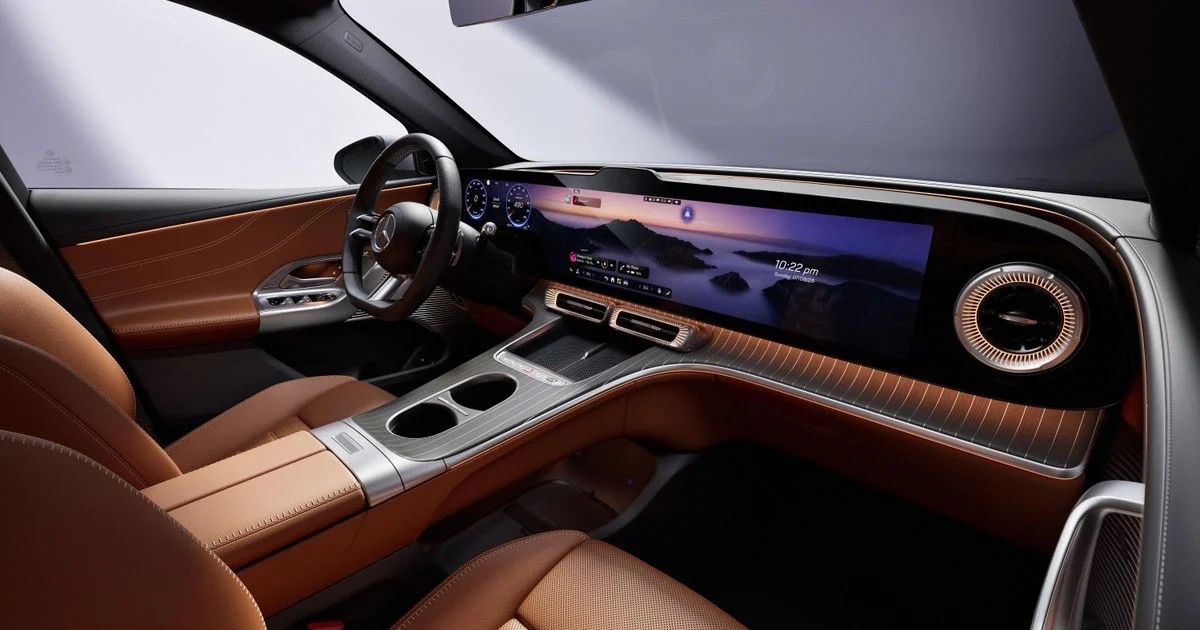
This sentiment marks a significant shift in automotive design trends. Over the past decade, automakers, including Tesla, Ford, and numerous Chinese brands, have embraced minimalist interiors dominated by large touchscreens. Some have even eliminated physical buttons entirely, moving functions like gear selection and climate control onto the screen.
Fashion vs. Functionality
Ive attributes the rise of touchscreen-heavy car interiors to fashion trends rather than practical design. Companies chased the “latest” technology, resulting in increasingly larger and more dominant screens. The trend has become so pervasive that even established brands like Mazda have adopted large touchscreens for traditionally physical functions.
A Return to Physical Controls?
Ferrari’s Luce is a counterexample, prioritizing tactile feedback and intuitive operation. The interior is designed with distinctly different physical switches to minimize driver distraction.
Other manufacturers are also reconsidering this approach. Audi’s 2025 Concept C showcases “shy tech,” including a foldable infotainment screen, and is reintroducing physical switches in some vehicles. This suggests a broader industry trend toward prioritizing usability and safety over the perceived modernity of all-touch interfaces.
Ultimately, the debate centers on whether screens serve to streamline the driving experience or needlessly complicate it. The return to physical controls by some automakers suggests that functionality and driver attention may outweigh the aesthetic appeal of minimalist, screen-dominated interiors.