Automakers across Europe aggressively shifted towards electric vehicles (EVs) in recent years, often at the expense of diesel technology. However, slower-than-anticipated EV adoption and shifting market dynamics are now driving a surprising reversal: Stellantis is reintroducing diesel engines to several key models. This move highlights a pragmatic adjustment to consumer demand and competitive pressures, rather than a wholesale abandonment of combustion technology.
The Unexpected Comeback
The resurgence of diesel is already evident with the launch of a new 2.2-liter diesel engine in the Opel Zafira. This engine delivers 177 horsepower and 295 lb-ft of torque, offering respectable performance (0-62 mph in 10.6 seconds) alongside a claimed 13% reduction in fuel consumption and CO2 emissions thanks to advanced direct injection and exhaust recirculation systems.
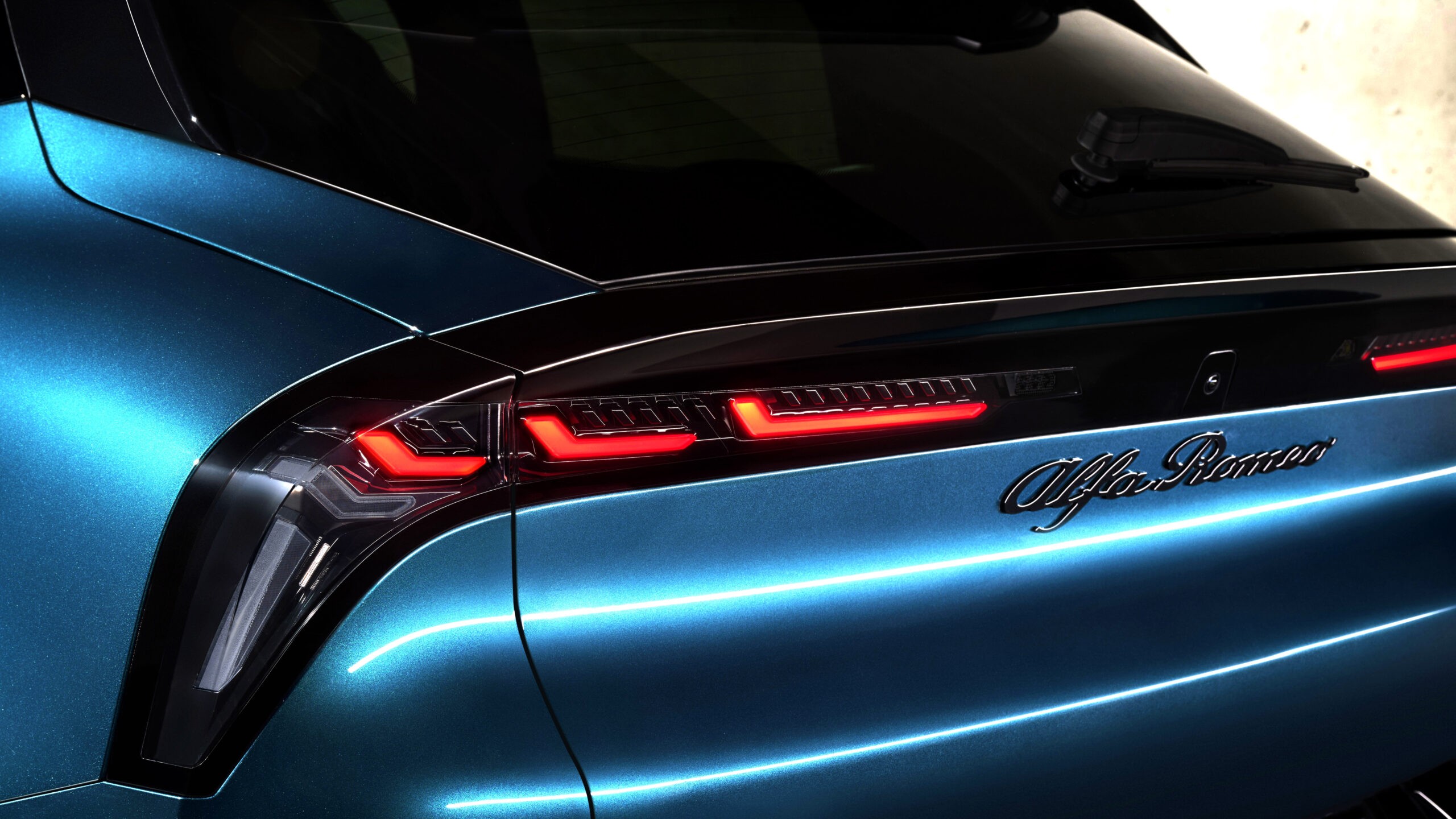
This isn’t an isolated case. Reuters reports that Stellantis plans to bring back diesel versions of at least seven car and passenger van models across its European portfolio, including the Alfa Romeo Giulia, Stelvio, and Tonale. The company cites direct customer preference as the primary driver behind this decision.
Why Diesel’s Return Matters
The shift towards diesel, despite its declining overall market share, is strategically sound. While diesel vehicles accounted for only 8.9% of new car registrations in the EU last year (compared to 34.5% for hybrids, 26.6% for gasoline, and 17.4% for EVs), the segment now faces significantly less competition. This creates an opportunity for Stellantis to differentiate itself, particularly against the influx of Chinese EV manufacturers who largely avoid diesel offerings.
“We have decided to keep diesel engines in our product portfolio and – in some cases – to increase our powertrain offer.” – Stellantis Spokesperson
The return of diesel also addresses a gap in affordability. Diesel engines can provide a lower-cost alternative to EVs, especially in segments where range anxiety or charging infrastructure remain concerns for consumers.
The Bigger Picture: Market Realities
The industry’s initial rush to eliminate diesel was based on overly optimistic EV adoption forecasts and regulatory pressure. The reality is that Europe’s transition to all-electric mobility is proving slower and more complex than anticipated. This has left a segment of the market underserved, which Stellantis is now positioning to exploit. The move doesn’t signal a rejection of EVs, but rather a recognition that combustion engines, particularly diesel, still play a viable role in the short to medium term.
In conclusion, Stellantis’ decision to reintroduce diesel engines is a calculated response to market conditions, consumer demand, and the competitive landscape. It reflects a pragmatic approach to powertrain diversification, rather than an ideological commitment to any single technology.