School crossings are a vital but often overlooked part of road safety, particularly in busy areas where children need help getting to and from school. While they might seem simple—just a person with a sign—they operate under specific legal requirements and play a crucial role in preventing accidents. Here’s everything you need to know about how they work, both for those walking and those driving.
What Exactly Is a School Crossing? 🚶♀️🚗
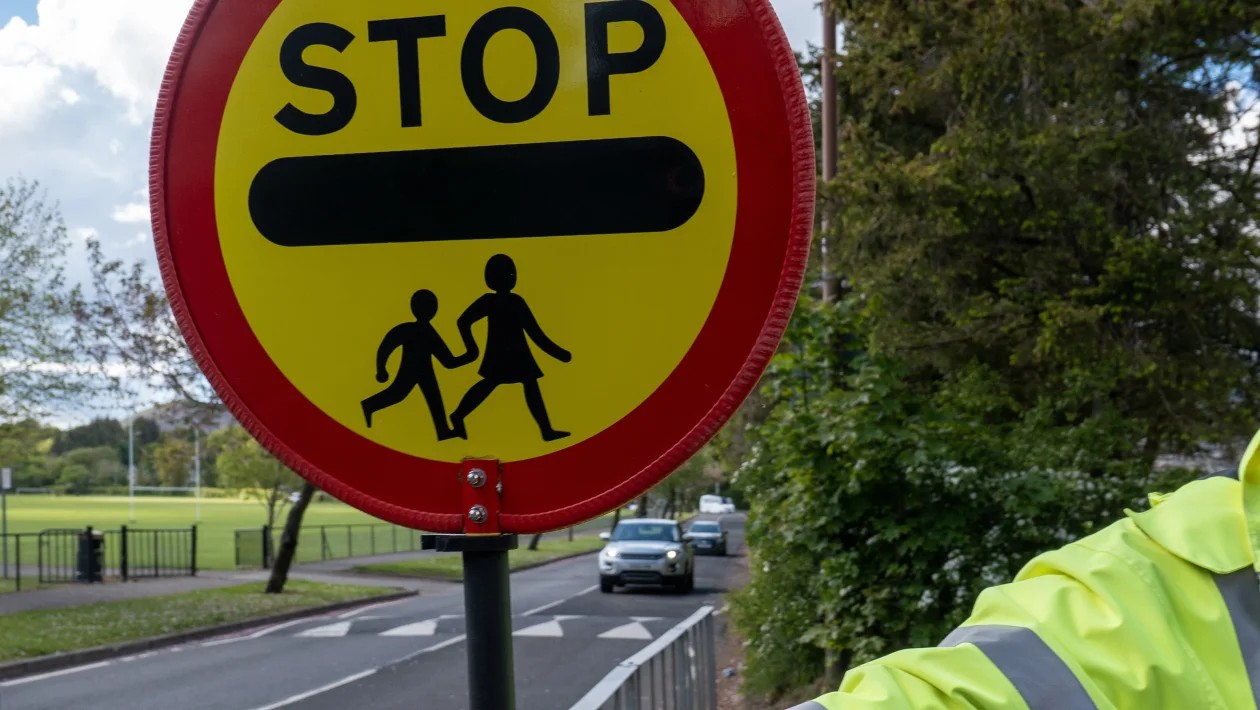
Unlike permanent pedestrian crossings with lights and signals, school crossings rely on a designated crossing guard holding a large yellow “lollipop” stop sign with a red ring. This setup is legally binding under the Road Traffic Regulation Act 1984, meaning drivers must stop when a guard is present.
These crossings are strategically placed outside schools on high-traffic roads where safe crossing options may otherwise be limited. The primary purpose is to provide a supervised and clear route for children, ensuring they can cross safely. Drivers are typically given advance warning through triangular “school” warning signs, often accompanied by flashing yellow lights during peak drop-off and pick-up times.
How Pedestrians Should Use School Crossings 👣
For pedestrians of all ages, the process is straightforward:
- Wait near the guard: Stay on the sidewalk until the guard signals it’s safe to cross.
- Signal intention: If the guard is on the opposite side, politely indicate that you need assistance.
- Follow instructions: Once the guard stops traffic, cross promptly and clear the road quickly.
- Dismount bikes: Cyclists must get off their bikes before crossing.
The key is patience and clear communication with the crossing guard. Their role is to ensure everyone’s safety, so following their directions is crucial.
Driver Responsibilities at School Crossings 🛑
Drivers must treat a school crossing guard as they would a red traffic light, regardless of whether the guard is walking or standing. Here’s what you need to do:
- Slow down: Reduce speed when approaching a “school” warning sign, especially if lights are flashing.
- Stop completely: When a guard is in the road, come to a full stop at a safe distance.
- Wait for clearance: Proceed only when all pedestrians and the guard have fully cleared the road.
- Be extra cautious: Children can be unpredictable, so stay alert and maintain a low speed in school zones.
Ignoring these rules isn’t just dangerous; it’s illegal. School crossings are designed to protect vulnerable pedestrians, and drivers have a legal and moral obligation to comply.
School crossings aren’t just about stopping for a sign; they’re about protecting children. Treating a crossing guard like a traffic signal is the law, but more importantly, it’s the right thing to do.
By understanding and following these guidelines, pedestrians and drivers can work together to make school crossings safer for everyone. The system is simple, but effective when followed correctly.