Stellantis, one of the world’s largest automakers, is reversing course on diesel engine production in Europe. After a period of phasing out oil-burners in favor of electric and hybrid powertrains, the company is quietly reintroducing diesel options across several key models. This move follows a series of strategic shifts since late 2024, including bringing back V8 Hemi engines and axing plug-in hybrids.
Diesel’s Quiet Comeback
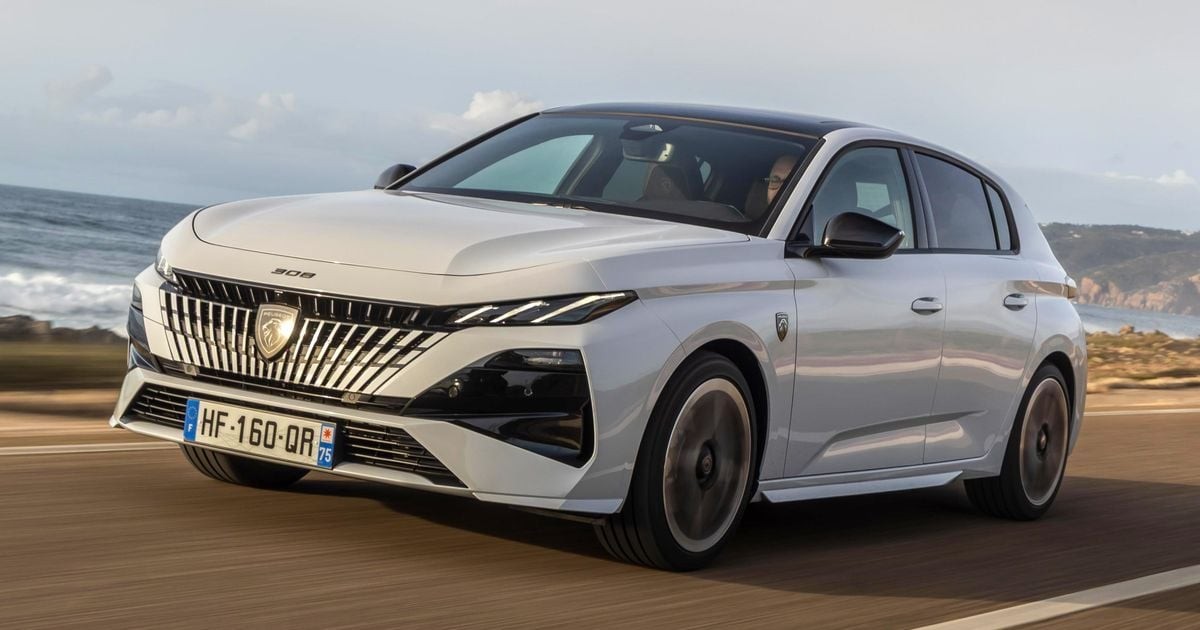
Recent analysis reveals diesel drivetrains have been added back into vehicles like the Peugeot 308, DS 4, Opel Combo, Peugeot Rifter, Citroen Berlingo vans, and the Opel Zafira people mover. Stellantis confirmed this decision, stating it is responding to “sustained customer demand” and aims to “generate growth” by expanding powertrain options. Diesel variants will also continue to be produced for the Alfa Romeo Tonale, Stelvio, Giulia, and DS 7 SUV models.
Why Now?
The resurgence of diesel comes after years of decline triggered by Volkswagen’s Dieselgate scandal in 2015. The controversy led to stricter emissions regulations and a rapid shift away from diesel engines, with the number of diesel models in the UK plummeting from 167 in 2020 to just 57 last year.
However, Stellantis’ move suggests a recognition that diesel still holds appeal for certain buyers. Notably, this market segment remains relatively untouched by Chinese manufacturers, who are primarily focused on EVs and plug-in hybrids. Diesel options could fill a gap and cater to customers who prefer the range and fuel economy of diesel without the complexity or cost of fully electric vehicles.
Broader Trend Reversals
This shift is part of a larger pattern at Stellantis, where previous decisions made under former CEO Carlos Tavares are being revisited. The reintroduction of V8 engines, the cancellation of EV projects, and the revival of diesel demonstrate a willingness to adapt to market preferences rather than forcing a transition.
Whether Stellantis will achieve significant growth by reintroducing diesel remains to be seen. However, the move highlights the continued relevance of internal combustion engines in a rapidly evolving automotive landscape.
The company’s decision underscores that while the future of automotive is electric, the present still includes a substantial demand for conventional powertrains, and Stellantis appears determined to meet it.