


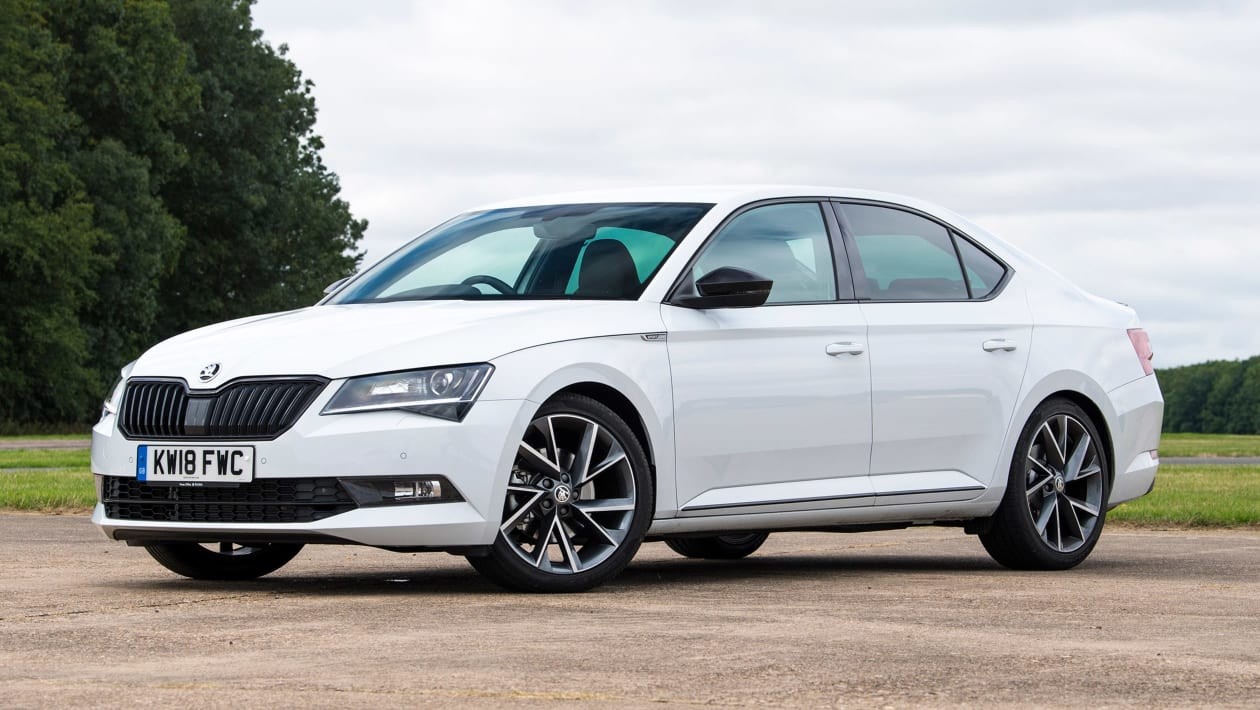
For three decades, Volkswagen’s ownership has radically transformed Skoda. Once known for basic, affordable cars, the Czech brand now delivers vehicles that rival premium competitors—particularly with the Superb. This review focuses on the third-generation Superb (Mk3, 2015-2024), a model celebrated for its exceptional value, spaciousness, and build quality.
From Humble Beginnings to Award-Winning Design
Skoda’s journey under VW is remarkable. Before VW, Skoda focused on low-cost vehicles. The original Superb, launched in 1991, was a stretched Passat-based saloon that quickly gained popularity, leading to a second generation in 2008 and the current Mk3 in 2015. The Superb has consistently won awards, including “Best Family Car” multiple times from Auto Express and Carbuyer, highlighting its class-leading qualities. This success is due to its combination of equipment, build quality, dealer network, and competitive pricing.
Model Range and Engine Options
The Mk3 Superb, produced from 2015 to 2024, offered a broad range of engines:
- Petrol: 1.4 TSI (124/148bhp), 2.0 TSI (217/276bhp), and later, the 1.5 TSI (148bhp)
- Diesel: 1.6 TDI (119bhp), 2.0 TDI (148/187bhp)
- Plug-in Hybrid: Superb iV (215bhp combined)
Trim levels included S, SE, SE Business, SE L Executive, Laurin & Klement (L&K), and SportLine. The SportLine was added in 2016, with the SportLine Plus following in 2018. In 2019, a facelift brought LED headlights, improved driver aids, and the introduction of the Superb iV plug-in hybrid.
What to Look For in a Used Superb
When shopping for a used Superb, consider these factors:
- Engine Choice: The 1.4 TSI is adequate, but the 1.5 TSI (introduced in 2018) is superior. The diesels offer better economy and power, while the 2.0 TSI delivers strong performance but at the cost of fuel efficiency.
- Trim Levels: Even base “S” models come with alloy wheels and Bluetooth. Higher trims (SE Business, SE L Executive, L&K) add features like adaptive cruise control, navigation, leather upholstery, and advanced safety systems.
- Virtual Cockpit: Digital instrumentation was an optional upgrade from 2018, costing around £450-£550.
- Towing Capacity: All variants can tow 1,500-2,000kg; four-wheel-drive models increase this to 2,200kg.
- Active Cylinder Technology: Select 1.4 TSI and 1.5 TSI engines feature cylinder deactivation for fuel savings.
Alternatives to the Skoda Superb
The Superb competes with the Ford Mondeo and Vauxhall Insignia, though these are less common on the used market. For more space, consider executive saloons like the Audi A6, BMW 5 Series, or Mercedes E-Class, but these come at a higher price. MPVs such as the Ford Galaxy or SEAT Alhambra offer similar practicality but with a different focus.
Reliability and Common Issues
Skoda has issued eight recalls for the Superb Mk3, including concerns about electrical cables, sunroof software, airbags, rear hubs, and engine stalling. Owners report high satisfaction with the Superb’s cabin space, quality, reliability, and infotainment system. The main complaints relate to handling and front-seat comfort.
Running Costs
Service intervals are annual or every 9,300 miles (alternating between minor and major services). Diesel models require a cambelt replacement every five years or 130,000 miles. Other maintenance includes brake fluid changes every two years, air-con servicing, and DSG fluid replacements every four years.
The Verdict
The Skoda Superb Mk3 (2015-2024) remains a standout choice in the used car market. Its blend of space, comfort, and value makes it ideal for families and those seeking a premium experience without the premium price tag. The Superb lives up to its name, offering a spacious, well-equipped, and reliable vehicle that delivers exceptional value for money.


