The latest Mini Cooper, still built in Oxford, remains fundamentally unchanged despite a recent “facelift.” While an all-new electric version emerges from a partnership with Great Wall Motor, the petrol-powered hatch continues on BMW’s established FAAR platform – a design dating back to 2013.
The Illusion of Newness
Despite the subtle cosmetic updates and interior tweaks, the core structure of the ICE Cooper is almost identical to its predecessor. The exterior differences between the petrol and EV models are minimal, limited primarily to flush door handles on the electric variant. This approach suggests a deliberate strategy to maintain brand recognition while transitioning to new technologies.
Simplified Choices
The current lineup offers straightforward options: three or five doors, a 1.5-liter turbo triple (in the C model), or a 2.0-liter turbo four (in the S or John Cooper Works). The removal of diesel engines and manual transmissions simplifies the buying process. Buyers can choose from three trim packs (Sport, Classic, or Exclusive) and equipment levels (1, 2, or 3), streamlining customization.
Real-World Freedom
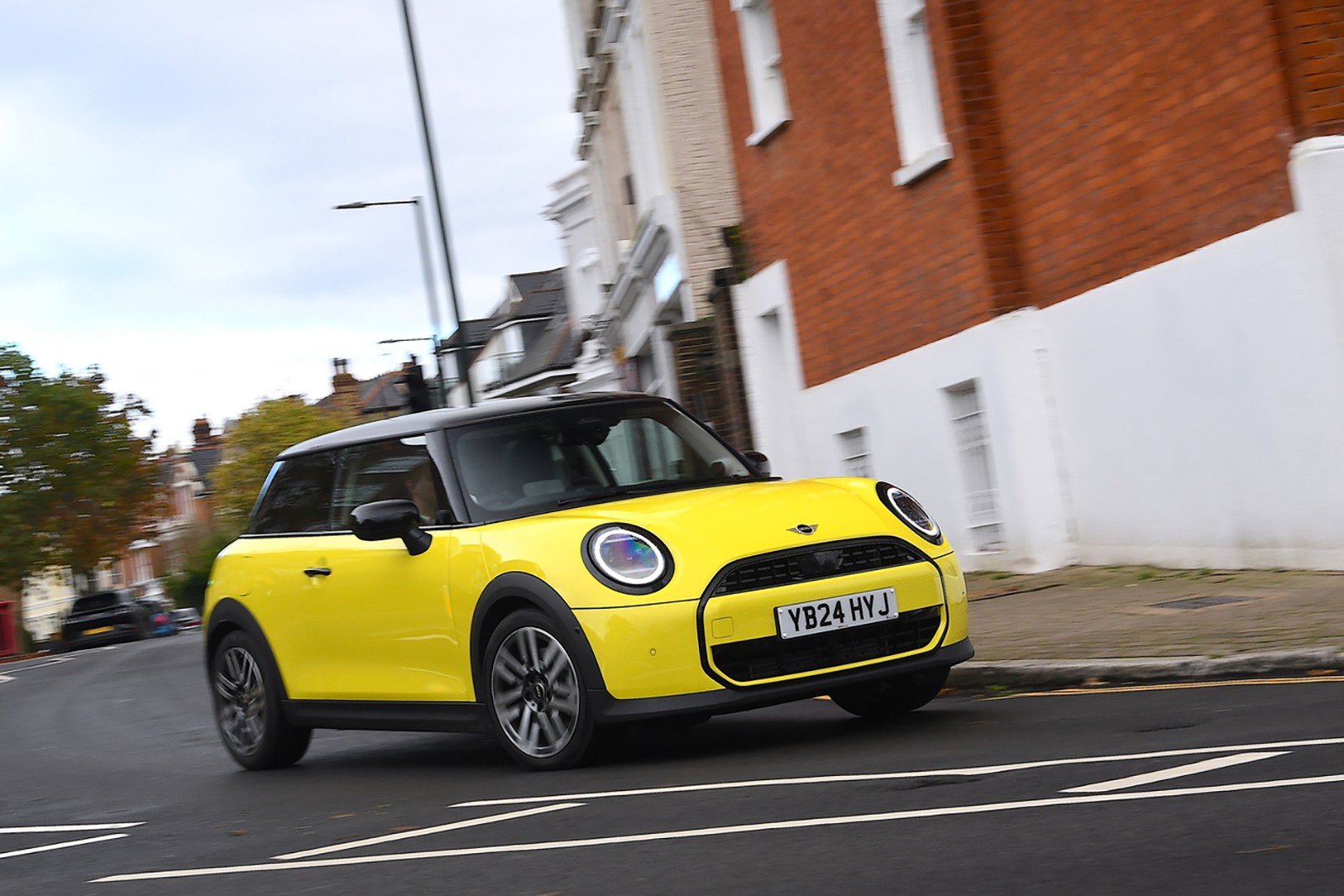
The author’s test vehicle, a three-door C Classic with the Level 2 pack and optional Sunnyside Yellow paint, demonstrates this practicality. It includes adaptive LED headlights, keyless entry, heated seats, wireless charging, and a sunroof – offering a well-equipped experience without unnecessary extras like adaptive cruise control or in-car cameras.
A Step Back from Electric Constraints
The shift from an electric Abarth 500e to the petrol Mini highlights a key advantage: range anxiety. The Cooper’s engine and 44-liter tank provide freedom from charging stops, allowing spontaneous long-distance travel without the need for pre-planning around charging infrastructure. This trade-off between outright performance and convenience is a deliberate nod to the realities of current electric vehicle limitations.
The Mini Cooper’s enduring appeal lies in its blend of retro charm and practical usability, making it a viable alternative for those not yet ready to fully embrace the electric future.
The continued production of the petrol Mini signals a recognition that not all consumers are prepared to commit to the constraints of current EV technology. This approach allows Mini to cater to both demographics while the electric market matures.