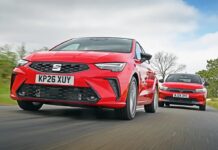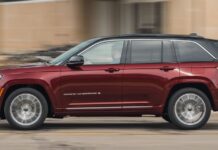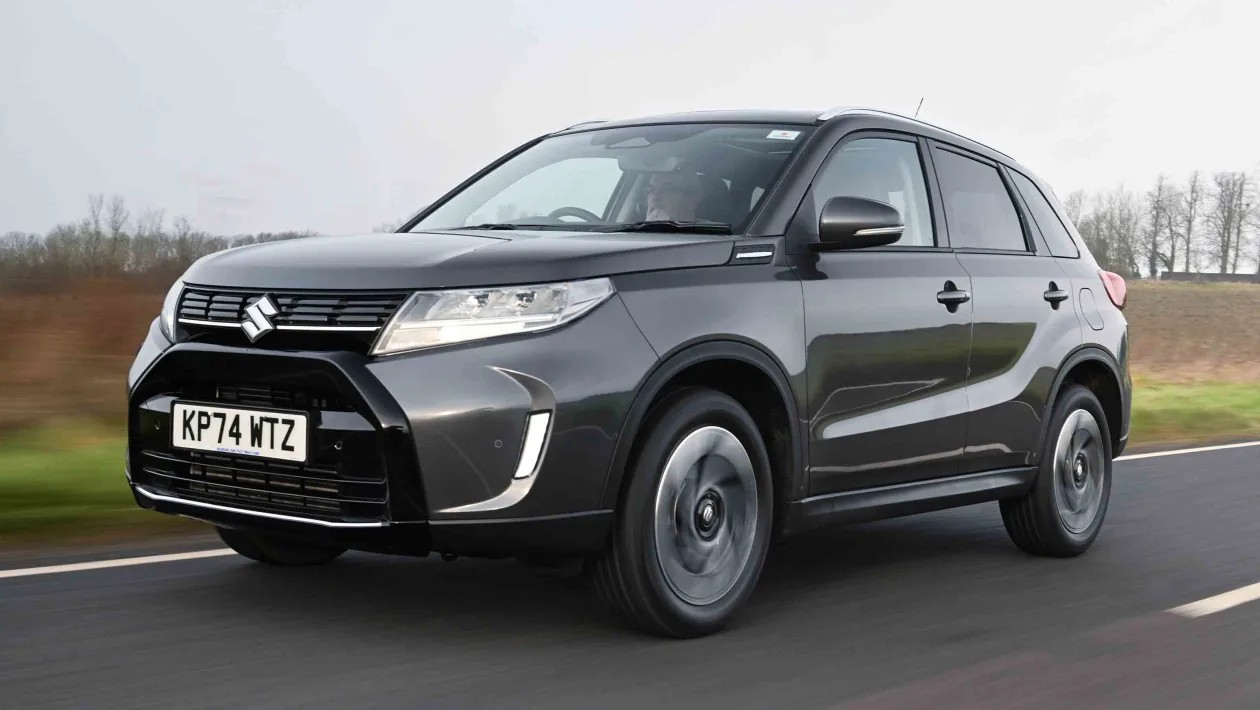
The Suzuki Vitara, a staple in the small SUV segment for over a decade, is beginning to show its age against more modern competitors. While it retains strengths in efficiency and handling, its outdated interior, limited tech, and average cabin space hold it back. If you prioritize practical transport above all else, the Vitara is worth considering, but be prepared to accept its quirks.
A Shift in Focus
The current fourth-generation Vitara, launched in 2015, marked a departure from Suzuki’s traditional off-road-focused approach. The shift to a lighter unibody construction and front-wheel drive was designed to broaden its appeal to mainstream SUV buyers. This was a deliberate move to compete more effectively with rivals offering similar practicality.
Incremental Updates, Lingering Shortcomings
Over the years, Suzuki has made incremental updates to the Vitara—adding safety systems, refining the trim structure, and freshening the exterior. The latest revisions include a nine-inch touchscreen and wireless smartphone connectivity. However, these updates do little to address the core issues of an aging platform. The interior layout, in particular, feels dated compared to competitors.
Engine and Drivetrain Options
The engine range has been streamlined; all new Vitaras are powered by the same 1.4-liter petrol mild-hybrid engine. While fuel-efficient, this powertrain lacks the punch of more powerful options found in some rivals. For those seeking a more modern experience, Suzuki also offers the fully electric e-Vitara, which is essentially a different vehicle altogether.
Performance and Driving Experience
The Vitara remains nimble and fun to drive, thanks to its responsive engine and positive handling. The Boosterjet engine delivers adequate performance, but requires higher revs to extract maximum power. Four-wheel drive is available on top-spec models via the Allgrip system, providing added traction when needed.
Value and Running Costs
The Vitara offers competitive pricing, starting around £22,000 for a base model. Everyday running costs are low, with claimed fuel economy of up to 53.2 mpg. However, depreciation is relatively high, and servicing costs are above average.
Interior and Technology
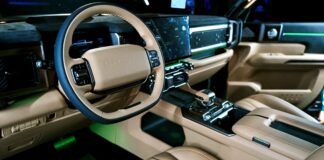
The interior is where the Vitara’s age is most apparent. Hard plastics dominate the cabin, and the overall design feels dated. While the new nine-inch touchscreen improves usability, it remains fiddly to operate. The lack of modern conveniences and awkward packaging further detract from the experience.
Practicality and Space
The Vitara’s upright dimensions provide ample headroom, but the narrow body limits shoulder space. Storage cubbies are sparse, and rear legroom is adequate but not generous. The boot is reasonably sized, but a space-saver spare wheel is an optional extra.
In conclusion, the Suzuki Vitara remains a capable and affordable SUV, but its aging design and limited features make it a less compelling choice than newer competitors. It’s a good option for budget-conscious buyers who prioritize efficiency over luxury, but those seeking a more modern experience should look elsewhere.