Chinese electric vehicle giant BYD plans to roll out its ultra-fast “Flash Charging” infrastructure internationally beginning in late 2026. The move is a strategic extension of its successful domestic network, designed to support growing overseas sales and establish a competitive edge in key markets.
Rapid Expansion Strategy
BYD will replicate its “Flash Charging China” model abroad, leveraging an integrated “storage + charging” architecture. Each station will feature 200–300 kWh of energy storage to minimize strain on local power grids. The company aims to have 20,000 stations operational within China by December 2026, including 18,000 co-built with partners like TELD for broad urban coverage (90% within a 5 km radius in major cities) and 2,000 dedicated highway stations. As of March 5, 2026, BYD had already completed 4,239 stations, with 1,000 highway sites planned to go online by May 1, 2026.
Technical Capabilities
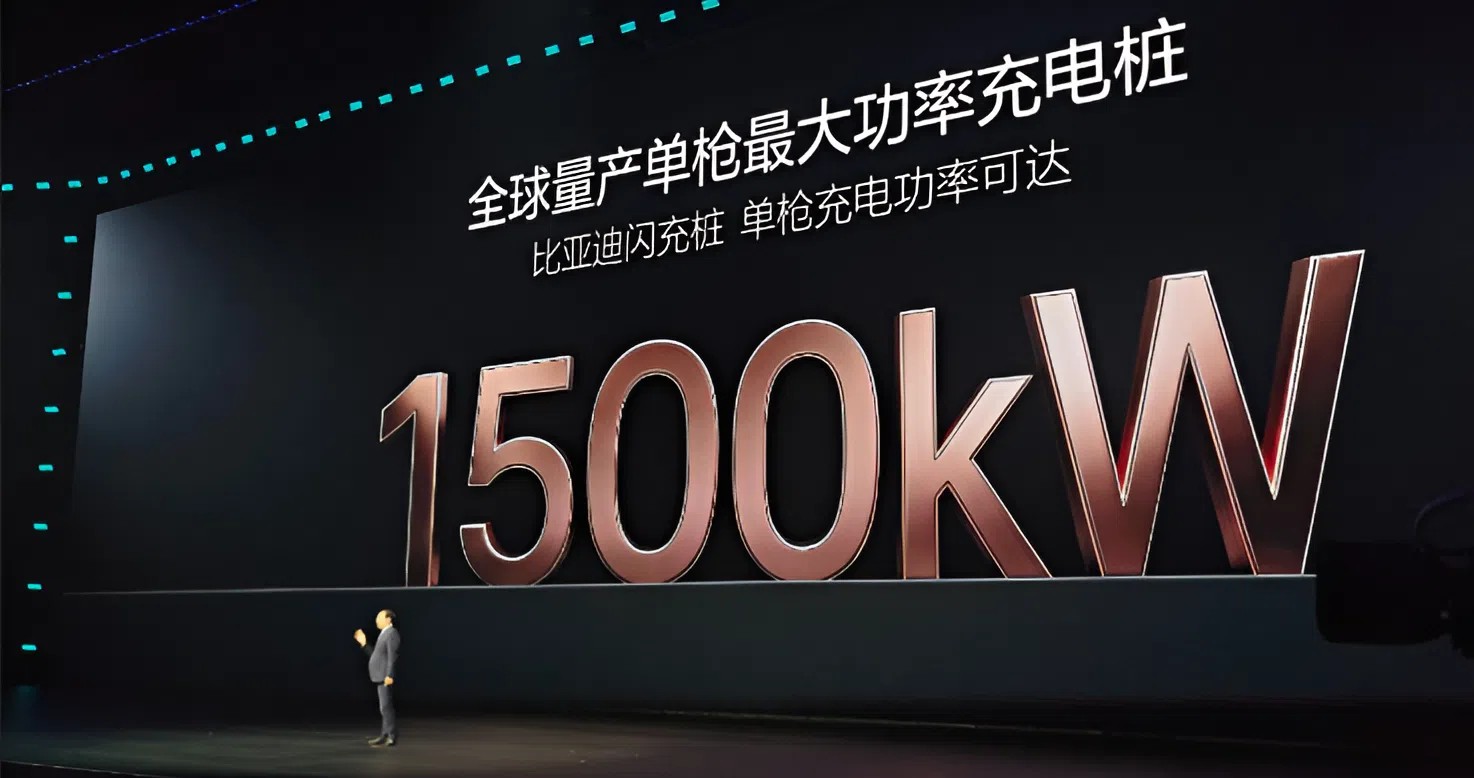
The charging system delivers 1,500 kW using a 1,000V infrastructure. When paired with BYD’s second-generation Blade Battery, compatible vehicles like the Denza Z9GT and Yangwang U7 can charge from 10% to 70% in approximately 5 minutes. The battery architecture has been engineered to perform in extreme conditions, capable of charging from 20% to 97% in 12 minutes even after 24 hours at −30°C. At room temperature, the same charge takes just 9 minutes.
Market Dynamics and Rationale
This aggressive expansion into ultra-fast charging comes as BYD’s overseas sales surge, growing 41.4% year-over-year to 100,151 units in February. This international growth is particularly significant, as domestic market demand has softened. BYD is targeting 1.3 million units in overseas sales for 2026, a 24.3% increase over the 1.05 million units exported in 2025.
The rollout will prioritize regions with existing BYD manufacturing plants – including Thailand, Brazil, and Hungary – to provide a complete ecosystem for international buyers. This strategy positions the company to capitalize on the growing global demand for EVs while establishing a key advantage in competitive markets like Europe and ASEAN.
BYD’s investment in rapid charging infrastructure is not just about speed; it’s about controlling the user experience, building brand loyalty, and eliminating a major barrier to EV adoption for international customers. The company is betting that convenience and performance will drive sales where price alone may not.