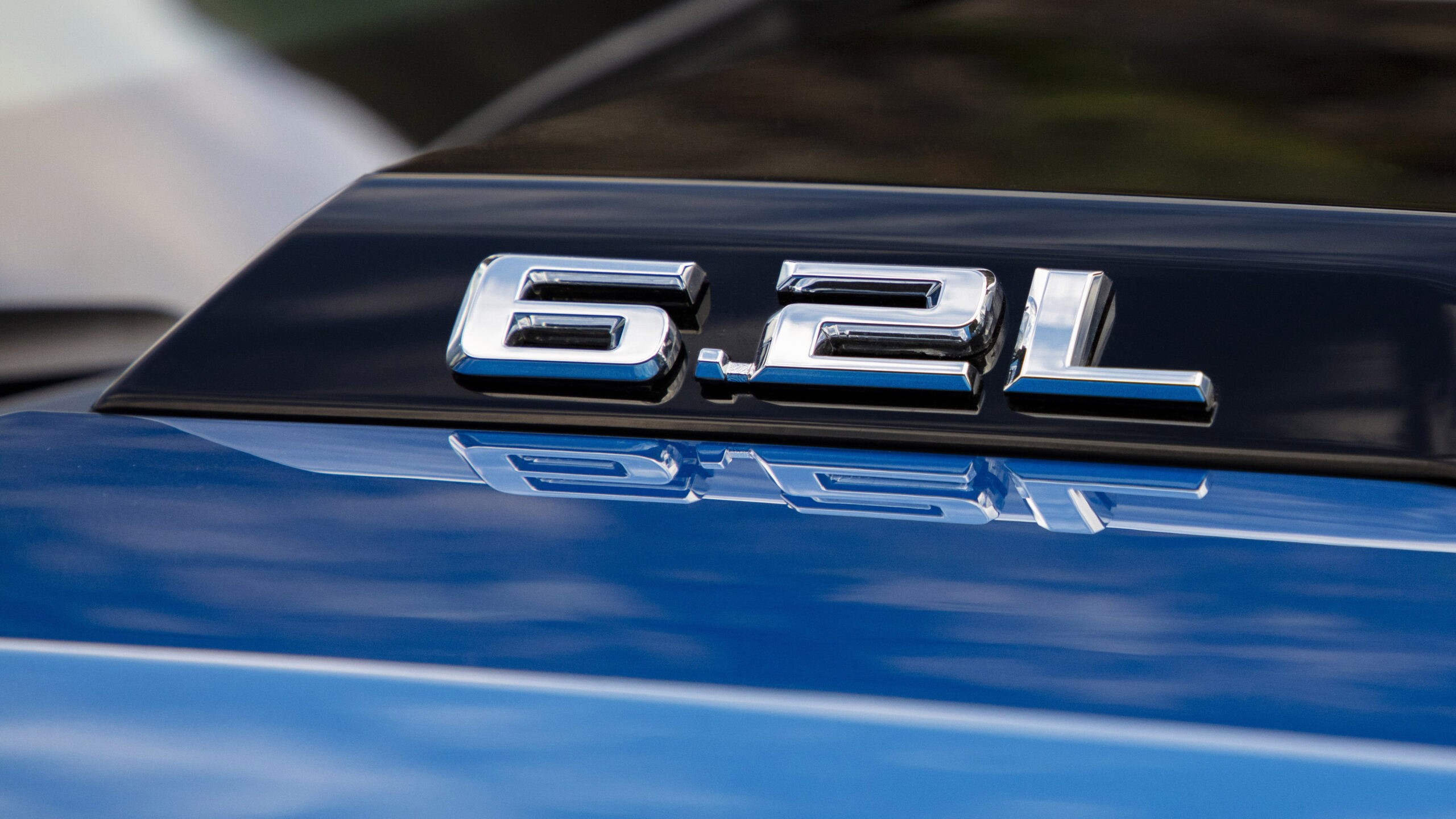
General Motors (GM) is facing a consolidated class-action lawsuit in Michigan, stemming from tens of thousands of complaints about its 6.2-liter L87 V8 engine. The case combines nearly a dozen previous filings, accusing the automaker of knowingly selling vehicles with a critical design flaw that leads to catastrophic engine failures.
Engine Failure Risks and Allegations
Plaintiffs allege that the L87 engine is prone to sudden and severe breakdowns due to inadequate lubrication between the crankshaft and bearings. This can result in complete engine seizure or even structural damage, where pistons breach the engine block. The lawsuit claims GM was aware of these issues for an extended period but failed to adequately address them.
Affected Vehicles
The problematic L87 engine is found in several high-volume GM vehicles, including:
– 2019–2024 Chevrolet Silverado 1500
– 2019–2024 GMC Sierra 1500
– 2021–2024 Cadillac Escalade and Escalade ESV
– 2021–2024 Chevrolet Tahoe and Suburban
– 2021–2024 GMC Yukon and Yukon XL
This means a large number of truck and SUV owners could be at risk. The lawsuit is separate from a previous GM settlement ($150 million) related to its 5.3-liter LC9 V8 engines, indicating the company has faced similar claims before.
Safety Concerns and Reported Incidents
Data from the National Highway Traffic Safety Administration (NHTSA) shows at least 1,157 reports of engine bearing failures tied to the L87 by October 2025. These failures have been linked to four crashes and multiple fires. GM internally received over 28,102 complaints related to the L87 by April 2025, with over 14,000 reports of sudden loss of propulsion. The complaints also cite 12 crashes, 42 fires, and 12 injuries.
Inadequate Recall Fixes
GM issued a recall for the affected engines last year, but plaintiffs argue the fix was insufficient. Dealers were instructed to scan vehicles for a specific fault code (P0016) and replace the engine if found. However, if no code appeared, the solution was simply an oil change (from 0W-20 to 0W-40) and a new oil cap. Critics claim this approach fails to address the underlying mechanical issues.
The consolidated lawsuit underscores the potential financial and safety risks associated with the L87 engine. If proven, the allegations could result in significant damages for GM and compel a more comprehensive recall or redesign.