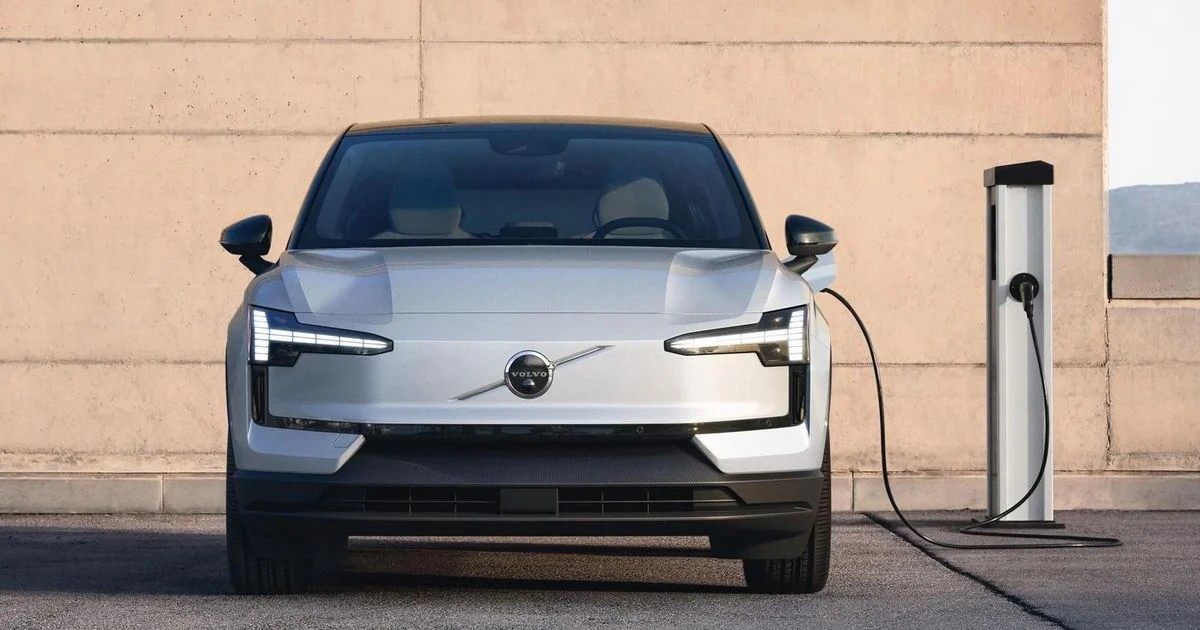
Volvo Car Australia has expanded a critical safety recall for its fully electric EX30 SUV, citing a persistent fire hazard linked to the vehicle’s high-voltage battery. This is the second recall issued for the same issue in just a few months, impacting a total of 3,344 vehicles manufactured between 2023 and 2024.
The Problem: Overheating Batteries
The recall stems from a manufacturing defect within the battery’s cell modules, which can cause them to overheat when charged to high levels. According to Volvo, this overheating poses a direct fire risk to occupants, bystanders, and surrounding property. The company has again advised owners to restrict charging levels to a maximum of 70% until a permanent fix is available.
What Owners Need to Do
Owners of affected EX30s are being urged to limit charging to 70% to mitigate the risk. Volvo provides instructions on how to adjust the target battery level via the vehicle’s touchscreen: Settings > Charging > Target battery level.
“A vehicle fire could increase the risk of injury or death… and/or damage to property,” Volvo warns in its recall notice.
Why This Matters: EV Safety Concerns
This repeat recall underscores the growing scrutiny around electric vehicle (EV) battery safety. Lithium-ion batteries, while powerful, are susceptible to thermal runaway – a self-heating cycle that can lead to fires. This isn’t unique to Volvo; several EV brands have faced similar recalls due to battery-related issues. The incident highlights the need for robust quality control and advanced battery management systems in the rapidly expanding EV market.
Currently, Volvo has not announced a remedy for the issue. Owners with questions are directed to contact Volvo Car Australia Customer Care at 1300 787 802. The full list of affected Vehicle Identification Numbers (VINs) is available for reference.
This situation will likely raise further questions about long-term EV reliability and the importance of proactive safety measures as manufacturers scale up production.