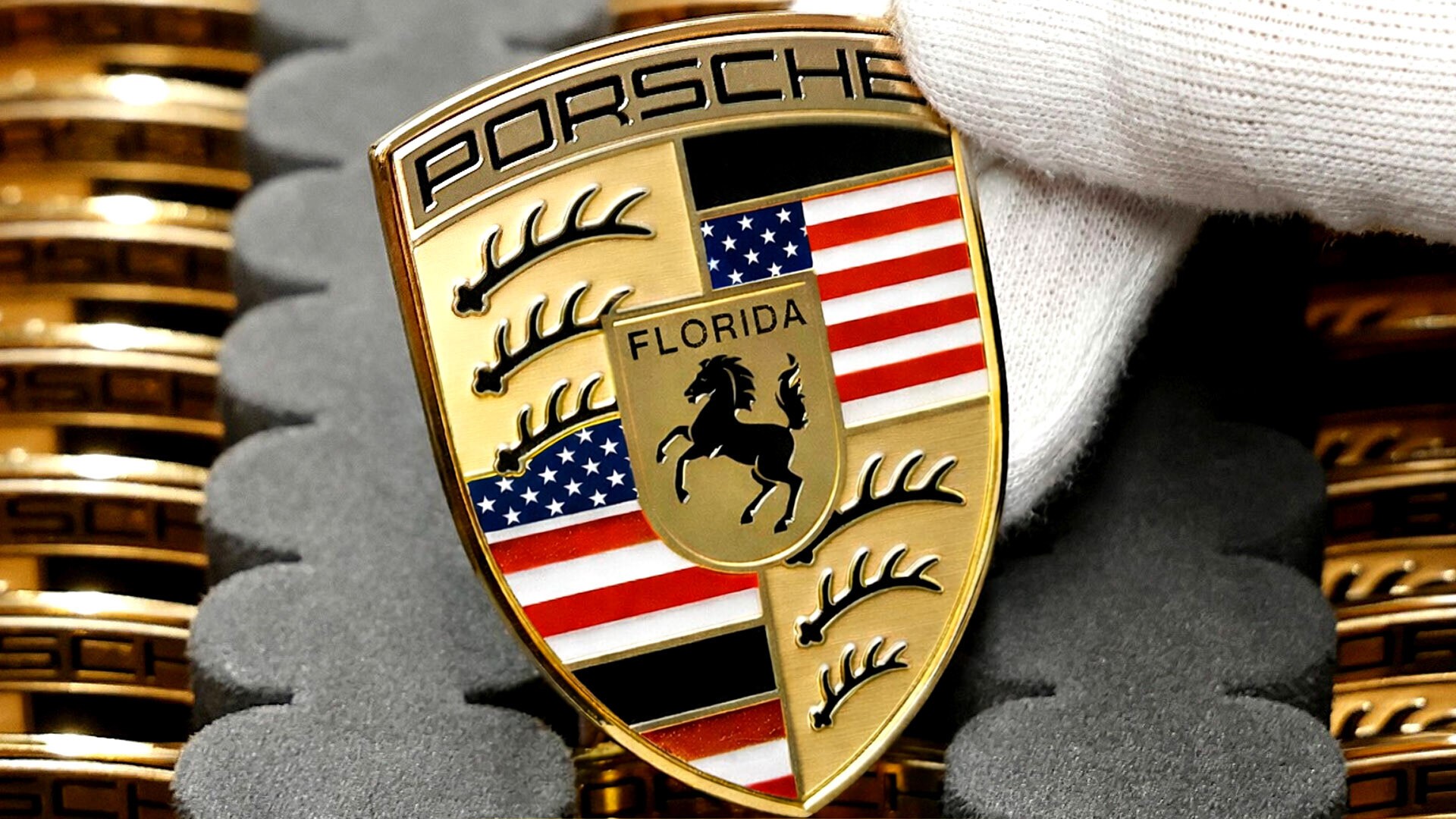
Porsche’s financial performance took a sharp downturn in 2025, with profits plummeting to just €413 million ($478 million) – a steep decline highlighting the growing impact of international trade policies. The primary culprit? A staggering €700 million ($810 million) in US tariffs, forcing the German automaker to re-evaluate its market strategy.
Price Hikes and Demand
The tariffs have translated directly into higher prices for consumers. The iconic 911 now begins at $135,500, a $21,100 increase since March 2024. Despite this substantial price jump, Porsche CEO Michael Leiters maintains that demand “remains solid,” suggesting that the brand’s luxury appeal still holds strong. However, the situation has pushed the company to consider drastic measures.
Exploring US Manufacturing
Porsche is now seriously weighing the establishment of a manufacturing facility in the United States, potentially mirroring its existing operation in Kulim, Malaysia. The idea, while “compelling,” is a massive undertaking that would require significant investment and a completely new supply chain. Leiters acknowledged the complexity, emphasizing that setting up a US factory isn’t just about the physical location but the entire supporting ecosystem.
“It’s much more complicated than people normally think, because it’s not only about the factory and where is the factory. It’s also about the supply chain.”
For now, a US plant is “not on the table,” but the possibility remains under consideration as tariffs continue to erode profitability.
Streamlining Future Models
To adapt to changing market conditions, Porsche plans to simplify its product lineup. The company recognizes that an excessive number of derivatives have increased internal and consumer complexity. This will likely lead to consolidation, with speculation that the Panamera and Taycan models may eventually merge into a single offering.
Porsche is also preparing to unveil “emotive new derivatives” later this year, suggesting that despite the financial pressures, innovation remains a priority. The company appears to be navigating a challenging landscape by both reducing complexity and continuing to deliver the high-performance vehicles its customers expect.
Ultimately, Porsche’s future strategy hinges on adapting to a world where trade policies directly impact bottom-line revenue, forcing the luxury brand to confront the realities of globalization and protectionism.