


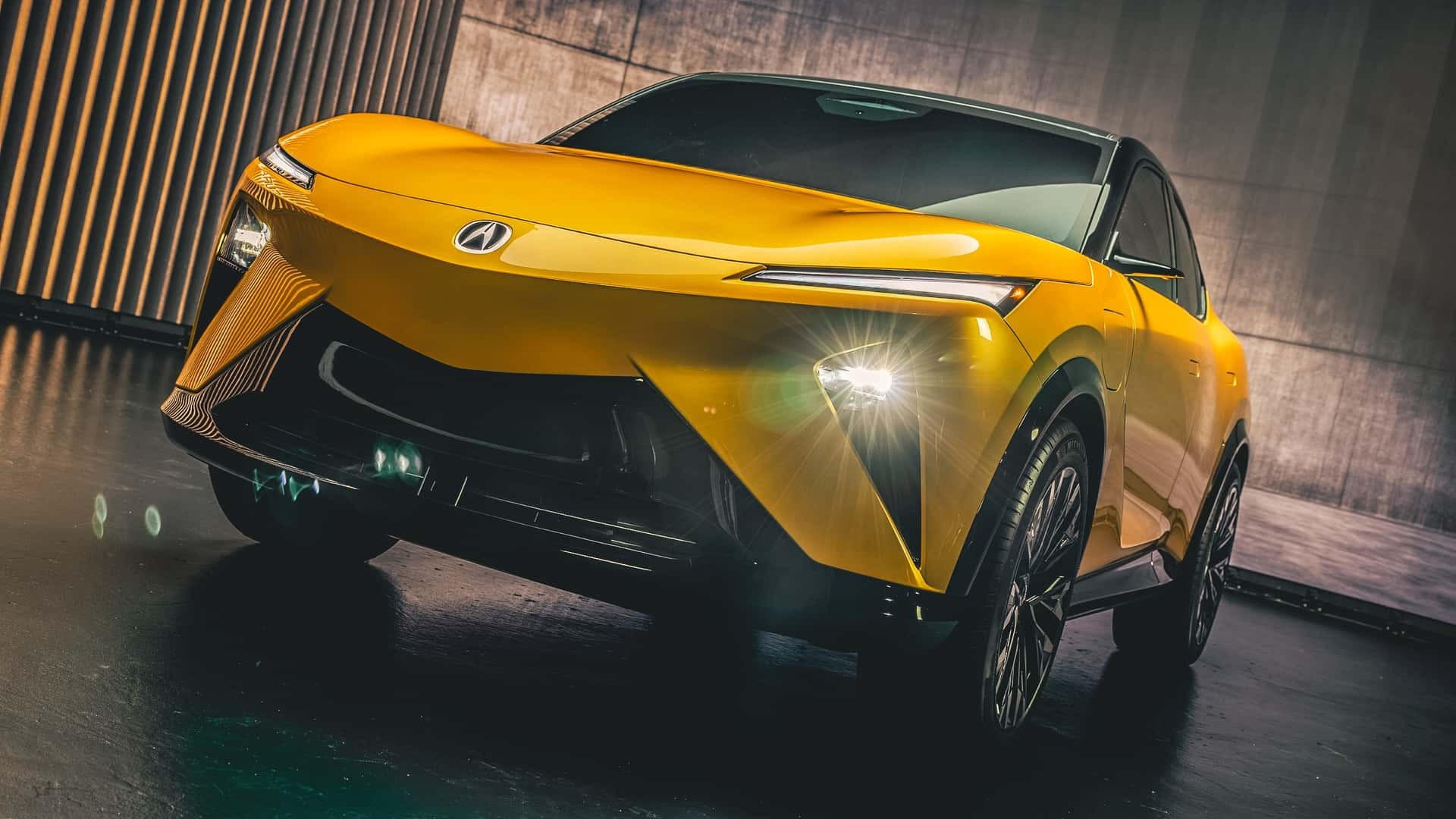
Honda has abruptly canceled development of three all-electric vehicles – including the highly anticipated Acura RSX revival – citing weakening demand for EVs in the United States. The decision, announced this week, represents a significant pivot for the automaker, which had previously committed heavily to electrification.
EV Demand Slows, Forcing a Rethink
The canceled models include the Honda 0 SUV and 0 Sedan, alongside the Acura RSX EV crossover. According to Honda, sales projections for these vehicles did not justify the continued investment. The company estimates potential losses of up to ¥2.5 trillion ($15.8 billion) if it had proceeded with production.
This move reflects a broader trend in the North American auto market: EV adoption is not accelerating as quickly as once predicted. While Europe and other regions are pushing toward full electrification, the U.S. market remains resistant, with consumer preferences tilting towards more familiar, efficient hybrids instead.
Hybrid Revival: A Strategic Shift
Instead of doubling down on EVs, Honda will redirect resources toward next-generation hybrid technology. The company aims to improve fuel efficiency by 30% in its large SUVs, equipping them with a new V6 engine. This decision suggests Honda believes hybrids offer a more viable bridge between internal combustion and full electrification for American drivers.
“Honda determined that starting production and sales of these three models… would likely result in further losses over the long term.”
Implications and Market Response
The cancellation of the Acura RSX EV is particularly notable. The model was positioned as a spiritual successor to the iconic Integra, but in an electric crossover form. While some enthusiasts may welcome the decision, it underscores the challenges automakers face when reimagining classic brands for the EV era.
This move isn’t just about immediate profits; it’s about long-term market positioning. By focusing on hybrids, Honda is betting that it can maintain relevance in the U.S. while EV infrastructure and consumer sentiment catch up.
The automotive industry is in flux, and Honda’s shift highlights the uncertainty surrounding the pace of electrification. While EVs will inevitably play a bigger role in the future, automakers must respond to current market realities. This means reevaluating strategies, adapting to changing demand, and making tough decisions – even if those decisions mean killing off promising new models.


