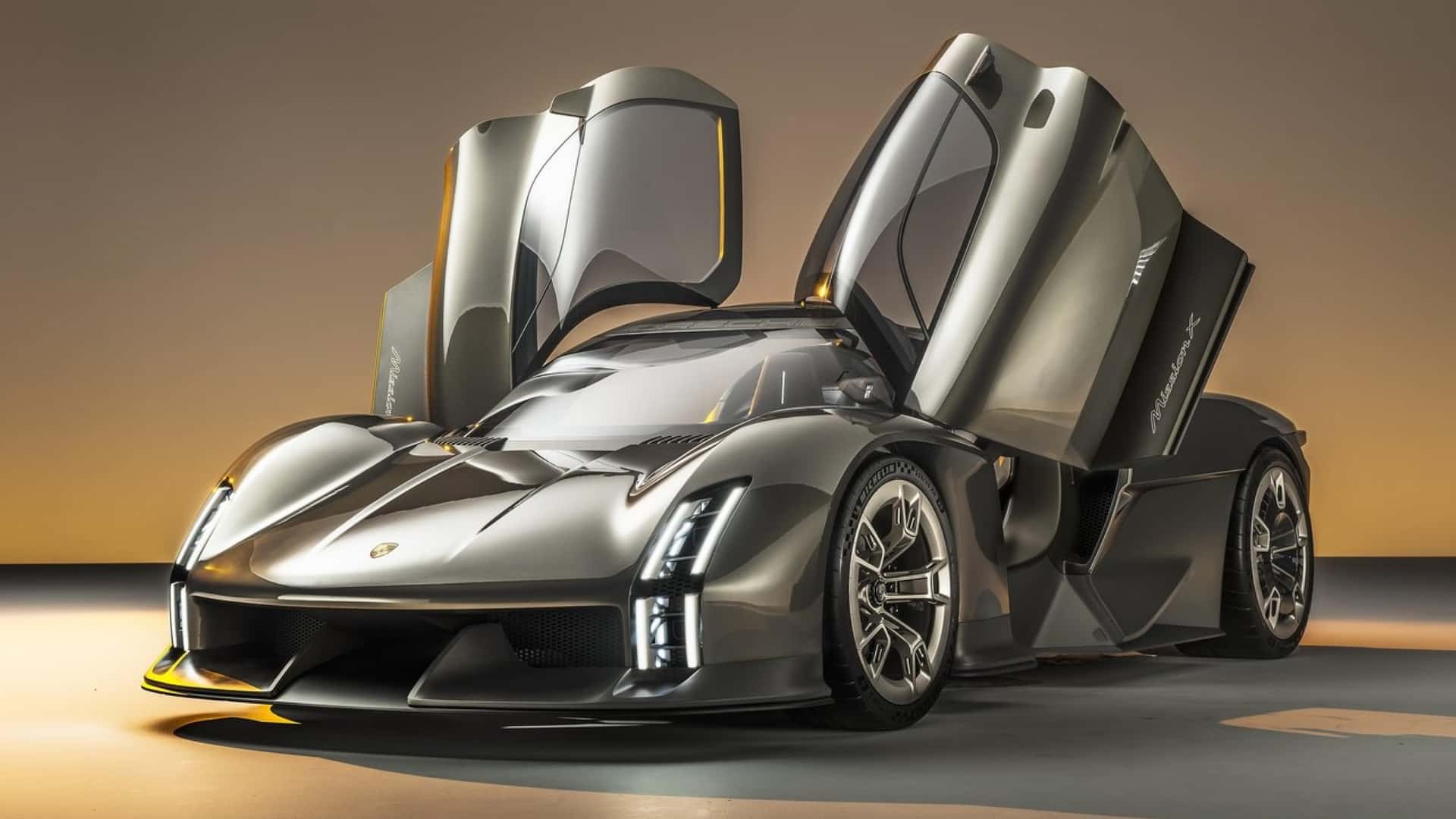
Porsche is actively evaluating the possibility of adding a new hypercar above the 911 in its lineup, alongside plans for a larger SUV positioned beyond the Cayenne. This move comes as the company grapples with declining sales—down 10% last year to 279,449 units, including significant drops in China and Europe—and seeks higher-margin products to revitalize its financial performance.
Recent Performance and Strategy Shift
The need for profitability is evident: Porsche faced a sales slump in key markets, partly due to regulatory issues causing delays in releasing gas-powered models like the Macan, 718 Boxster, and 718 Cayman in Europe. To counter this, Porsche is developing both combustion engine and electric versions of the 718, as well as a larger, three-row SUV to expand its offerings.
CEO Michael Leiters has indicated that Porsche is “considering the expansion of our product portfolio in order to grow in higher-margin segments,” with a focus on models exceeding the current 911 and Cayenne. This suggests a deliberate strategy to move toward more lucrative vehicles.
The Hypercar Prospect
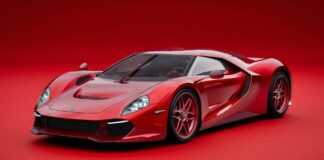
A shadowy silhouette of a vehicle that is not a 911 has surfaced, potentially hinting at the new hypercar under consideration. The design bears similarities to the 2023 Mission X concept, though it remains unconfirmed whether it is the same model.
Given market trends, particularly the preference for combustion engines among high-end buyers (as noted by Mate Rimac, whose Nevera EV sales did not meet expectations), it’s likely Porsche will prioritize a gas-powered hypercar over an all-electric one. Porsche’s 45% stake in Bugatti Rimac gives it direct insight into these preferences.
Future Plans and Timeline
Porsche is also teasing “emotive new derivatives,” with the 911 GT2 RS being a likely candidate for release. However, the hypercar itself is still in the evaluation phase and will likely take at least three to four years to reach production, even if approved.
Porsche is clearly responding to financial pressures by exploring high-performance models that cater to both customer demand and profit margins. The hypercar move, if realized, could position the company to compete directly with Ferrari and McLaren in the ultra-high-end sports car market.