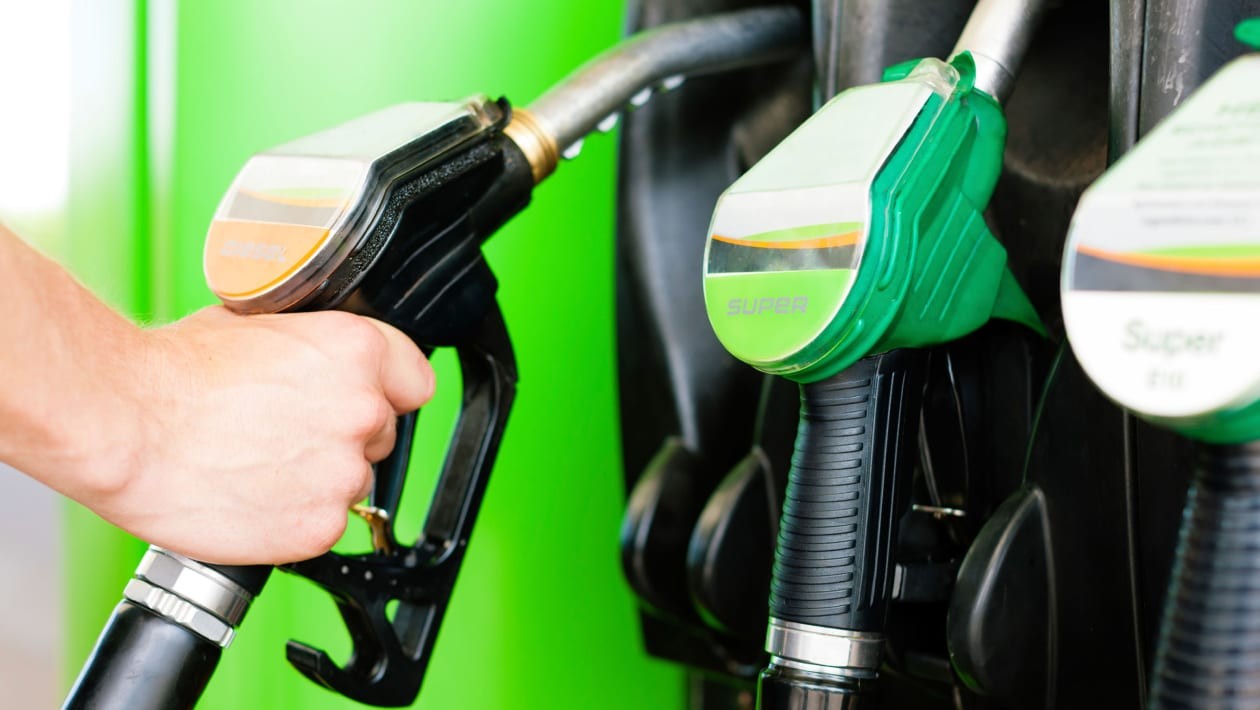
The UK’s Competition and Markets Authority (CMA) is increasing oversight of fuel retailers, aiming to prevent exploitative price hikes driven by the escalating conflict in the Middle East. This move comes as global oil prices soar – exceeding $100 USD per barrel for the first time in two years – with potential ripple effects across the UK economy.
Monitoring for Price Gouging
The CMA’s action plan mandates that fuel retailers disclose cost and sales data, enabling the authority to assess profit margins since the start of the conflict. This is designed to identify and challenge any attempts to artificially inflate prices beyond justifiable cost increases. Juliette Enser, CMA Executive Director, stated the agency will “closely scrutinise” pricing behavior and intervene if necessary.
The concern is that fuel stations may exploit the crisis by raising prices disproportionately, citing wholesale costs as justification. The CMA will specifically monitor for “rocket and feather” pricing – where fuel prices rise rapidly when wholesale costs increase, but fall slowly when wholesale costs drop. This practice allows retailers to maximize profits at consumers’ expense.
Broader Economic Impact
The surge in oil prices is expected to exacerbate inflationary pressures. Edmund King, President of the AA, warns that diesel price hikes – which affect most goods transportation – will translate into higher prices for consumers.
“As the conflict in the Middle East continues, the global increase in oil prices will hurt inflation, particularly with the diesel price hikes. As most goods and services are delivered by diesel vehicles, this will lead to price rises which the consumer will be stung with.”
The Government is also accelerating the rollout of its Fuel Finder tool, aiming to help drivers locate the lowest prices. However, some are calling for further action, such as delaying the planned reintroduction of a 5p fuel duty discount to provide relief for households.
This situation highlights the interconnectedness of global events and domestic economic stability. Conflicts in major oil-producing regions directly impact consumer prices and broader economic trends, necessitating proactive monitoring to protect consumers from unfair practices.