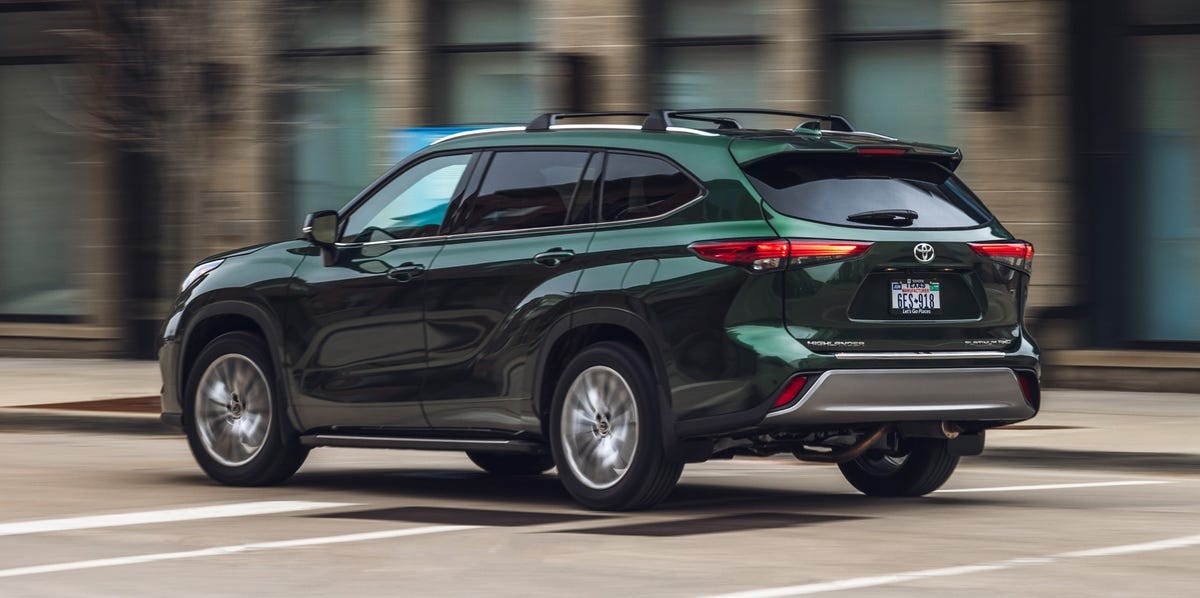
Toyota is recalling more than half a million Highlander and Highlander Hybrid SUVs (model years 2021–2024) because of a defect that could compromise passenger safety in a crash. The recall affects 420,771 Highlander SUVs and 129,236 Highlander Hybrid SUVs – a total of 550,007 vehicles.
The Problem: Unlocking Seatbacks
The issue lies with the second-row seatbacks, which may not lock into place correctly. A design flaw by a parts supplier caused an imbalance between the locking and return springs in the seat recliners. This means the locking mechanism’s teeth may not fully engage, leaving the seatback vulnerable to failing in the event of a collision.
If a seatback fails to lock, passengers could be thrown forward during a crash, increasing the risk of serious injury.
This is not a theoretical risk. Toyota filed the recall with the National Highway Traffic Safety Administration (NHTSA) after receiving 10 field reports and 18 warranty claims related to the issue. While Toyota has not reported any injuries or deaths linked to this defect so far, the potential for harm is significant.
What Toyota Is Doing
Toyota will notify affected owners and instruct them to bring their vehicles to a dealership for repair. The automaker has not yet announced a specific fix, but dealerships will inspect and address the seat locking mechanism to ensure proper functionality.
Why This Matters
Automobile recalls are a critical part of ensuring road safety. This recall highlights how even seemingly minor component failures can pose major risks in real-world accidents. The fact that Toyota acted after receiving multiple complaints suggests that the issue was not immediately detected during quality control, raising questions about supplier oversight and testing procedures.
This recall also underscores the importance of checking for open recalls on your vehicle using the NHTSA’s VIN lookup tool (available at https://www.nhtsa.gov/recalls ).
The company is taking action to correct the defect, but owners should prioritize scheduling repairs to avoid potential danger.