


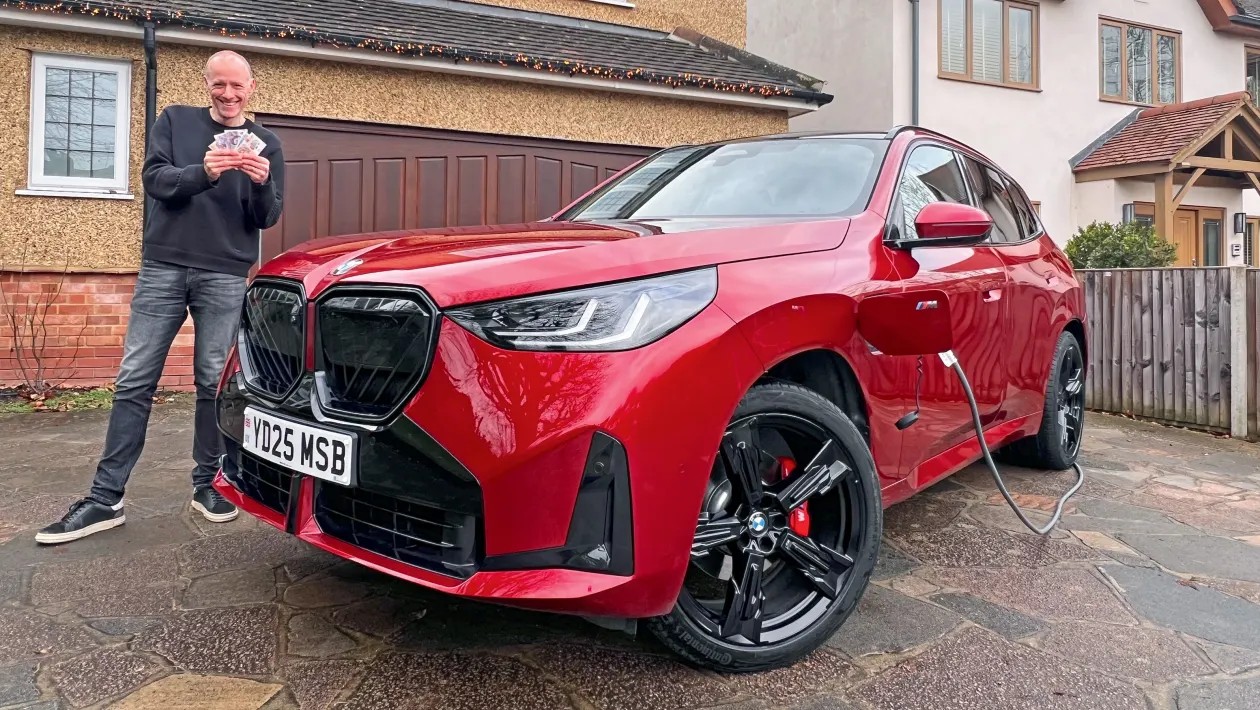
The BMW X3 30e plug-in hybrid blends practicality with modern efficiency, but requires intentional use to maximize its benefits. After six months of testing, the vehicle has held up well cosmetically, aided by parking assist features. However, BMW’s 360-degree camera system suffers from persistent ghosting, making precise maneuvers challenging.
Balancing PHEV Benefits and Guilt
The X3 30e’s appeal lies in its ability to deliver low running costs when charged regularly. The owner reports averaging 64.0 mpg, with fuel expenses totaling just £185.90 over four months, thanks to a combination of wallbox charging and electric driving. Nighttime charging at 7p/kWh makes topping up the 19.7 kWh battery incredibly cheap (under £1.50 per charge). Despite these savings, the driver acknowledges a sense of “PHEV guilt,” as data from the My BMW app reveals only 52% of driving is done on electric power—below average for X3 30e owners. This highlights a common issue: many plug-in hybrid buyers don’t fully utilize the electric capability.
Software and Transparency Issues
BMW’s software complicates maximizing the vehicle’s efficiency. Accessing electric drive modes now requires navigating multiple screens, a step backwards from the simple switch found in older MINI Countryman PHEVs. The driver also notes the need to use BMW’s navigation instead of Google Maps to preserve battery charge. This lack of transparency and control is frustrating, especially when the hybrid system indecisively switches between electric and combustion modes.
Performance and Cost
The X3 30e’s performance is adequate, though its 2.14-ton weight can feel sluggish without using the “BOOST” paddle for rapid acceleration. The combined electric-gasoline system delivers a respectable 295 bhp, but the four-cylinder engine sounds unrefined. Despite this, the vehicle achieves up to 76.3 mpg when fully charged and driven efficiently.
Options and Pricing
The test vehicle is heavily optioned, adding nearly £14,000 to the base price of £59,015. This includes a £2,300 M Sport Pro Pack, a £1,350 Comfort Plus Pack, and numerous aesthetic upgrades such as matte black 21-inch wheels and red brake calipers. While space is adequate, the hybrid battery reduces underfloor storage in the 460-liter boot.
The BMW X3 30e offers a compelling blend of efficiency and performance, but only if drivers actively manage its electric capabilities. The car’s software and transparency issues need addressing to fully unlock its potential.


