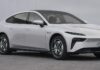
Nissan has indefinitely postponed the release of its next-generation Leaf electric vehicle (EV) in Australia. The decision comes after the company observed stronger consumer demand for hybrid vehicles and limited uptake of fully electric models like the Ariya.
Shift in Strategy: Hybrid Demand Outpaces EV Sales
Originally slated for a 2026 launch, the new Leaf – which represents a shift in design from a hatchback to an SUV – will remain unavailable in the Australian market for the foreseeable future. Nissan Oceania’s outgoing managing director, Andrew Humberstone, confirmed the delay, citing a “competitive space” and increasing customer preference for hybrid powertrains.
This is a significant pivot for Nissan. While many automakers are pushing fully electric vehicles, Nissan is responding to actual sales trends. The company’s e-Power system, which uses a gasoline engine to generate electricity for electric motors, appears to be resonating better with Australian buyers than pure EVs. This system differs from traditional hybrids; it always drives on electric power, with the gasoline engine serving solely as a generator.
Slow EV Adoption Raises Concerns
Nissan’s decision is partly driven by weak EV sales figures. The Ariya, Nissan’s current electric offering, recorded just 127 sales in Australia between its September 2025 launch and the end of the year. This lackluster performance suggests that the Australian market may not be ready for a full-scale transition to EVs as quickly as some manufacturers had hoped.
Humberstone emphasized the market’s “fluid” nature, indicating that Nissan is adjusting its strategy to align with consumer behavior. The company now believes hybrids are a more viable option for Australian drivers in the short to medium term.
Implications for the EV Market
Nissan’s move highlights the challenges facing EV adoption in Australia. The delay of the Leaf suggests that automakers are becoming more cautious about investing heavily in fully electric models without guaranteed demand. The company’s focus on hybrid technology signals a potential slowdown in the rapid electrification of the automotive industry.
Ultimately, Nissan’s decision demonstrates that market realities trump aggressive timelines when it comes to EV adoption. The company is prioritizing profitability and customer preferences over pushing a product that may not sell well.