


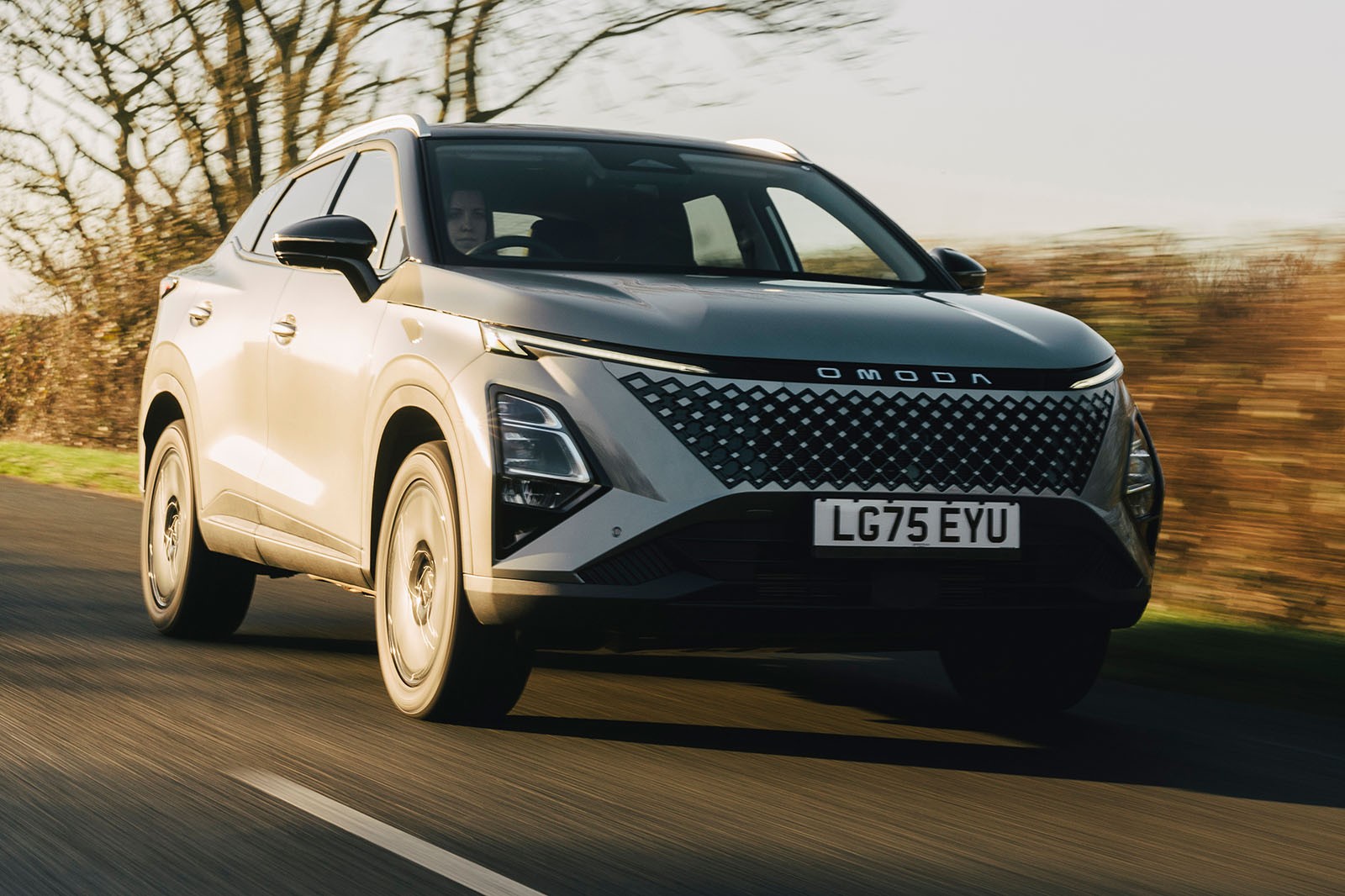
The 2026 Omoda 5 represents a notable step forward for the newcomer brand, offering a surprisingly competitive hybrid option in a crowded market. While initially underwhelming, recent updates to the platform – Chery’s T1X, first released in 2017 – have addressed many of the original model’s shortcomings. The car now comes in petrol, full hybrid, and electric variants, all sharing the same core engineering.
What’s New for 2026?
Omoda has significantly refined the 5 over the past two years. The most important change is the introduction of a full hybrid powertrain, using a 1.5-liter engine paired with a Honda e:HEV-style transmission. This delivers smooth, quiet performance, and represents a substantial improvement over the earlier, less polished petrol version. The interior has also been updated, with a more modern design and improved infotainment system – responding to consumer feedback.
Performance and Handling
The hybrid model (SHS-H) is the standout performer. It offers responsive acceleration and seamless operation, blending regenerative braking intuitively. Though not as refined as a Nissan Qashqai e-Power, it surpasses competitors like the Honda HR-V and Hyundai Kona Hybrid in terms of smoothness. The petrol version, downrated to 145bhp from 183bhp, still provides adequate power but lacks the hybrid’s refinement.
Handling has also been revised. The original 5 suffered from inconsistent dynamics – quick steering combined with excessive body roll. The updated version is firmer, though this results in a somewhat wooden ride quality. It avoids excessive roll but introduces a slight teetering sensation, similar to some performance-oriented Ford Kuga models. The chassis is eager to rotate, which can be unsettling for drivers unfamiliar with such behavior in a crossover.
Interior and Space
The interior is solid in build quality with plenty of soft-touch surfaces, but feels generic and suffers from a noticeable plastic smell. The infotainment is now more user-friendly, with wireless Apple CarPlay and Android Auto integration. However, packaging remains a weakness. Rear headroom is limited due to the sloping roofline, and legroom is shorter than in rivals like the Nissan Qashqai.
Boot space at 380 liters (370 liters in the hybrid) is also below average – significantly smaller than the Ford Puma and Qashqai. This suggests that Omoda prioritized style over practicality in the design.
Value Proposition
The Omoda 5’s biggest strength is its price. The hybrid version starts at £25,740 in base trim, undercutting most competitors, including the Dacia Duster Hybrid and Japanese rivals. While not a class leader in ride quality, efficiency, or interior ambiance, the 5 provides a surprisingly competent package for the money.
The 2026 Omoda 5 demonstrates how quickly new brands can improve. It’s no longer a simple cheap option, but a legitimately competitive crossover that offers a smooth drive, modern features, and an attractive price point. For budget-conscious buyers, it’s a compelling alternative.


