BMW is preparing a significant shift in its vehicle strategy, splitting the future i5 and 5-Series into distinct models with dedicated platforms. This move follows a pattern established by the i3/3-Series and iX3/X3 pairings, where electric and combustion engine versions will no longer share a single chassis.
Neue Klasse as the Catalyst
The transition is driven by BMW’s “Neue Klasse” platform, an electric-focused architecture already deployed in the iX3 SUV and the i3 sedan. The company plans to integrate Neue Klasse technology into 40 models by 2027. Joachim Post, BMW’s R&D board member, emphasized the need for scalability: “We are a global player, and we must scale our technology into the whole fleet to get that economy of scale.”
This statement clarifies why BMW won’t half-measure; the entire point is to maximize efficiency and profit.
Platform Separation: Combustion vs. Electric
The next generation of the i5 and i7 will likely move entirely onto Neue Klasse, while the 5-Series and 7-Series will retain the existing CLAR platform for combustion engines. This separation allows for optimized design and engineering for each powertrain.
The current 5-Series and i5 (released in 2023) are expected to receive a facelift in 2027, with full generational replacements following toward the end of the decade. The 7-Series and i7 (debuted in 2022) are already scheduled for a mid-cycle update.
Design and Proportions: A Clear Distinction
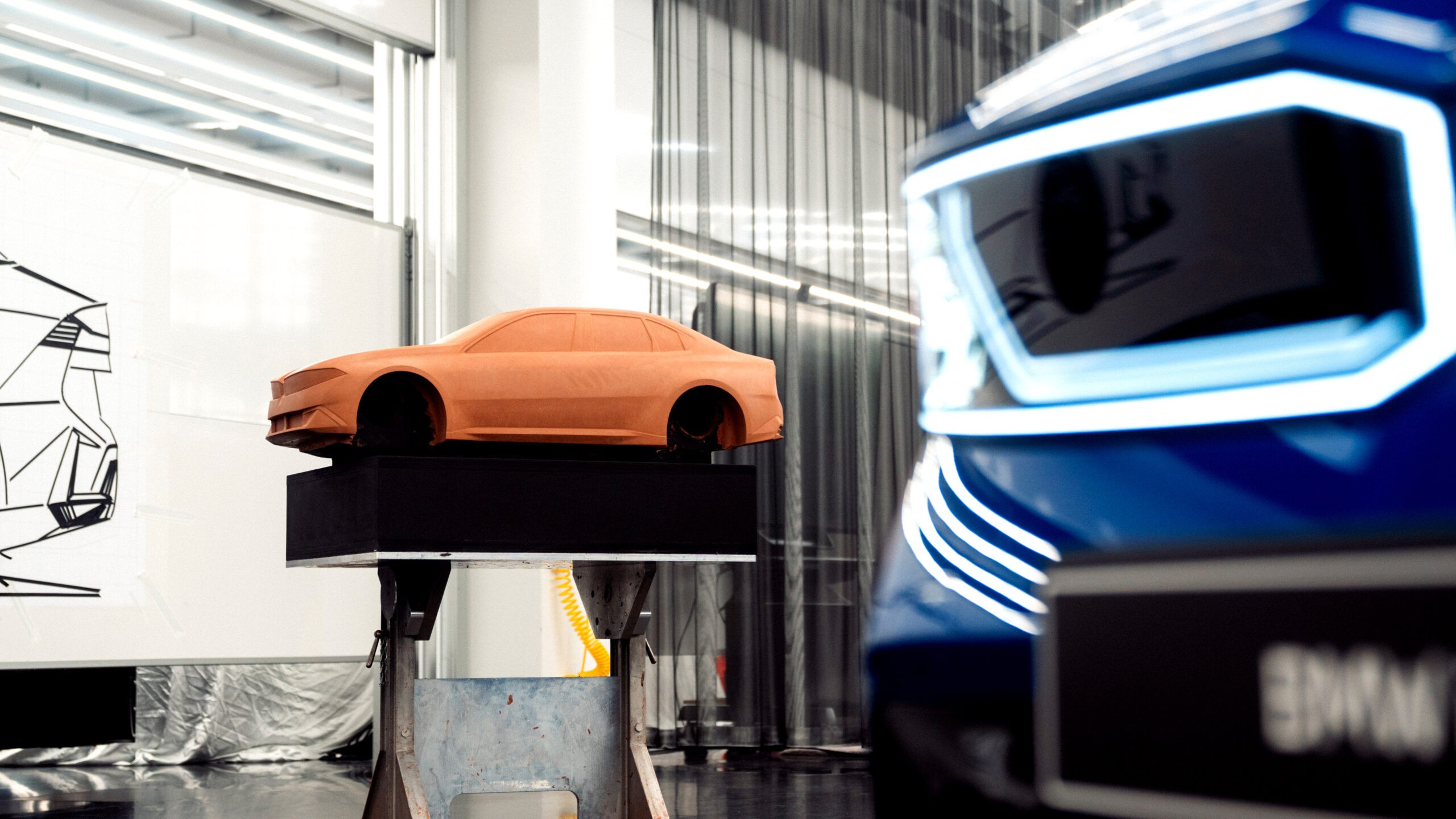
The shift to dedicated EV platforms will result in noticeable design differences. Electric models will benefit from shorter overhangs, longer wheelbases, and more aerodynamic silhouettes. The upcoming 3-Series, already spied with a different dash-to-axle ratio compared to the i3 sedan, serves as an early example of this trend.
The goal is to maximize interior space and aerodynamic efficiency, which can’t be fully achieved when adapting designs to accommodate both ICE and electric powertrains.
Implications for Future Models
By untethering electric and combustion models, BMW gains design freedom and engineering efficiency. The i5 and i7, in particular, stand to benefit from the dedicated EV focus, potentially leading to more spacious interiors and better performance. This strategy underscores BMW’s commitment to electrification while still catering to traditional combustion engine buyers.
This divergence isn’t just about technology; it’s about signaling a clear long-term vision where EVs aren’t afterthoughts but fully realized, optimized vehicles.