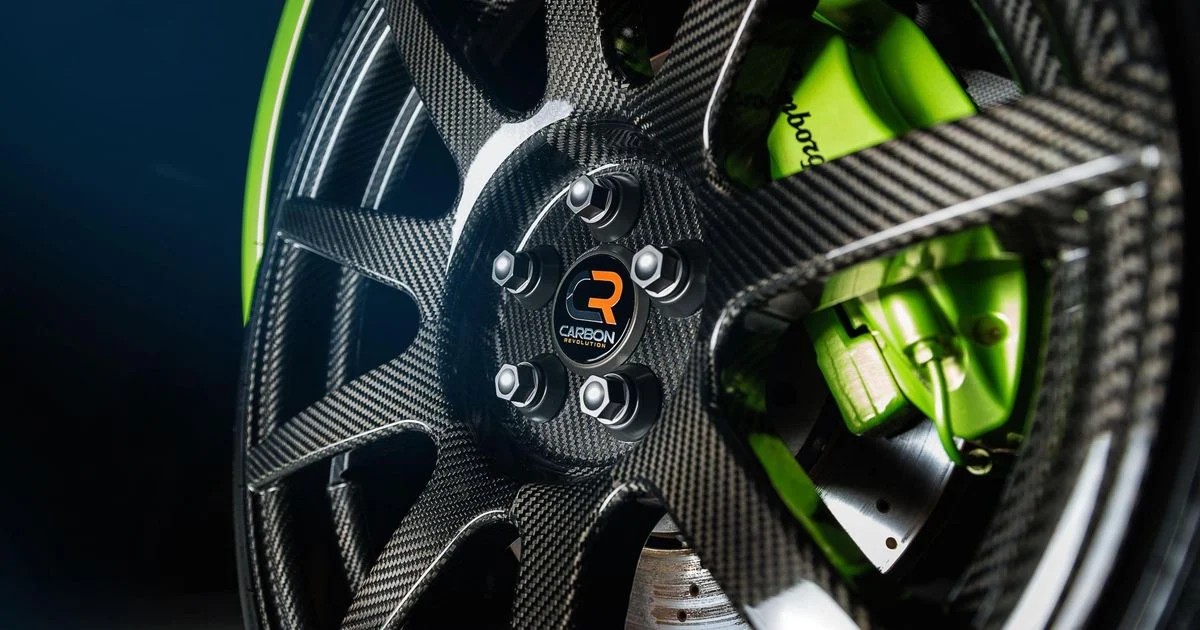
Australian carbon-fiber wheel manufacturer Carbon Revolution, a key supplier to high-performance brands like Ferrari and Ford, has entered voluntary administration due to challenges in the electric vehicle (EV) market. The company, once valued at $500 million, confirmed the move after automakers scaled back their EV plans, leading to substantial financial losses despite recent revenue growth.
A Promising Start, Now Restructuring
Founded in 2007 in Geelong, Victoria, Carbon Revolution pioneered the production of lightweight, single-piece carbon-fiber wheels, securing partnerships with major automakers including Ford, Lamborghini, and Ferrari. The company’s technology offered significant advantages, with wheels reducing weight by up to 37% compared to traditional alloy versions—a critical factor for performance vehicles and EV range.
The Downfall: EV Slowdown and Financial Strain
Despite an 87% revenue increase to US$47.3 million in the year ending June 2024, Carbon Revolution reported losses exceeding US$146 million. This downturn coincided with automakers like Ford, Honda, and Mercedes-Benz revising their EV strategies, causing the wheelmaker to lose contracts tied to electrification programs.
The company’s listing on the Australian Securities Exchange (ASX) ended in 2023 when it moved to the NASDAQ, only to be delisted in February 2026 after its valuation fell below requirements.
Restructuring for Survival
Carbon Revolution has appointed McGrathNicol to oversee the restructuring process, aiming to reduce debt and secure the future of its Geelong plant. CEO Donnie Hampton stated the move is “the right thing…to de-leverage the business.” Despite the administration, production will continue, and the company expects to emerge in Q2 2025 with renewed capital and market positioning.
Government Support Amidst Manufacturing Push
The announcement comes as the Australian government increases its focus on local manufacturing through initiatives such as the ‘Future Made in Australia’ strategy, which includes $22.7 billion in investments over the next decade. The restructuring of Carbon Revolution highlights the volatility of the EV sector and the challenges for even innovative manufacturers in adapting to shifting market conditions.
Carbon Revolution’s situation serves as a case study in the risks associated with over-reliance on rapidly evolving industries. While the company’s technology remains valuable, its financial vulnerability underscores the importance of diversified revenue streams and proactive adaptation in a volatile market.