Speed limits, as currently enforced, are increasingly detached from the realities of modern vehicles and road conditions. While speed undeniably contributes to crash severity, the blunt application of rigid numerical thresholds overlooks critical factors like vehicle technology, road design, and driver behavior. This mismatch has created a situation where millions routinely exceed posted limits without incident, while genuinely dangerous practices often go unchecked.
The Evolution of Vehicle Safety
Modern cars are drastically safer than those from even a few decades ago. Electronic stability control (ESC), mandatory in many vehicles, alone has reduced single-vehicle crashes by at least 30%. Advanced braking systems and improved tire compounds further expand the margin between normal driving and loss of control. Yet, speed limits across much of the U.S. remain static, failing to account for these advancements.
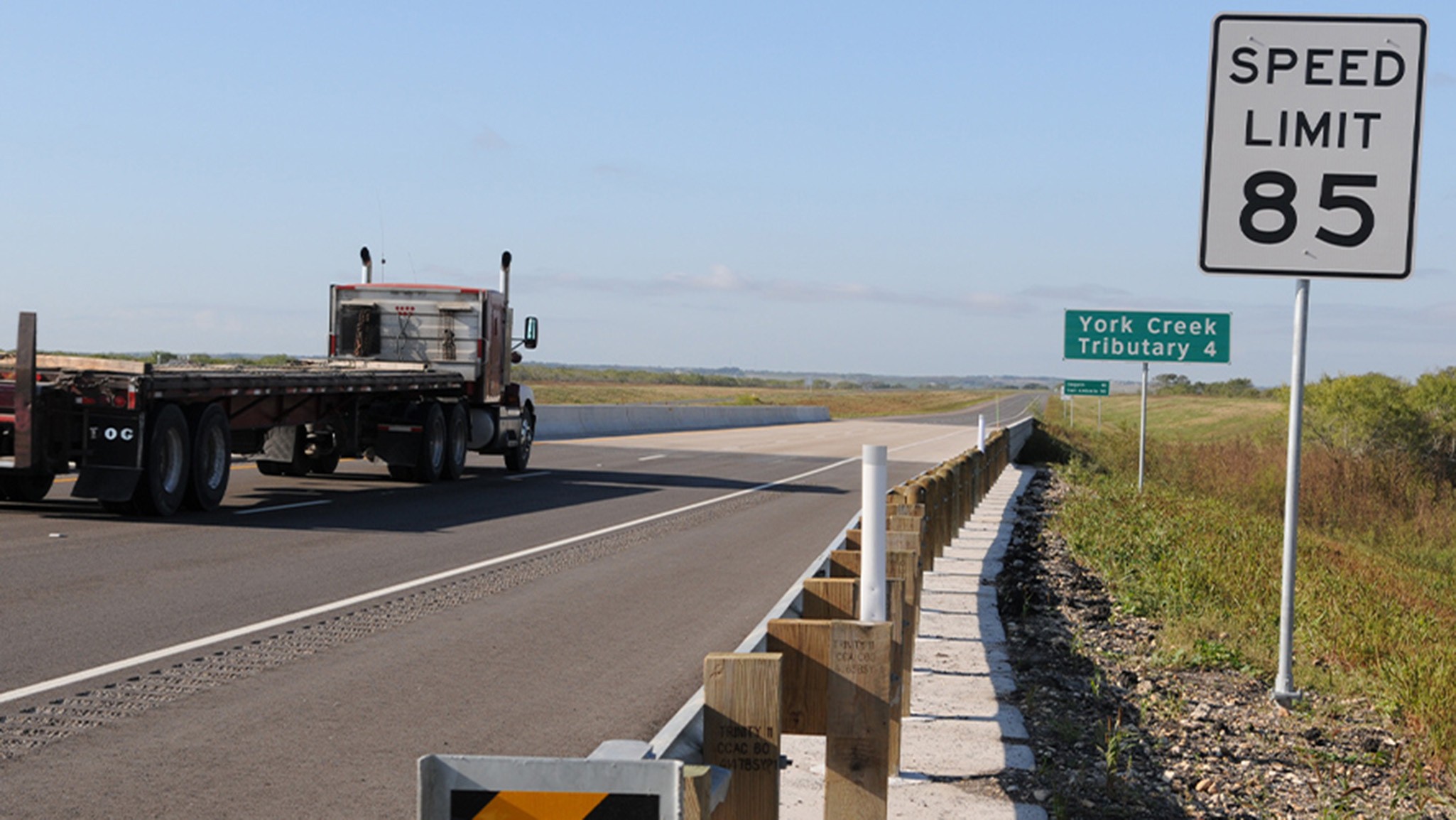
This creates a paradox: vehicles can handle higher speeds safely under ideal conditions, but current regulations treat all speed above the posted limit as equally dangerous. This is demonstrably false, and the system itself acknowledges this with exceptions. For example, Texas allows 85 mph on certain rural highways without catastrophic results, while Arizona debates eliminating limits altogether on some roads during daylight hours.
Roads, Not Signs, Dictate Speed
Drivers don’t primarily respond to speed limit signs; they respond to the road itself. Wide lanes, gentle curves, and clear sightlines subconsciously encourage higher speeds. Narrow lanes and visual obstacles slow drivers down. This principle is foundational in modern urban planning: roads should be designed to encourage safe speed compliance rather than relying on arbitrary numbers.
The current system often prioritizes easy enforcement over actual safety. It’s far simpler to ticket a driver going 82 mph on a straight highway than to address more dangerous behaviors like texting while driving or aggressive lane changes. Moreover, speed variance – the difference in speed between vehicles – is a greater crash risk factor than absolute speed. States like Georgia are even considering raising minimum speeds to reduce this variance.
The Cost of Blanket Regulations
Current speed limits are designed to accommodate the least competent drivers, ensuring safety for everyone at the expense of nuance. This approach flattens the spectrum of risk, treating safe drivers under ideal conditions the same as reckless ones. Other countries address this through stricter licensing and training, but the U.S. compensates with blunt regulation.
Imagine a scenario where obtaining a driver’s license in the U.S. was significantly harder, weeding out the bottom 60% of drivers. Road safety would improve dramatically overnight. The reality is that current speed limits are a safety net for systemic shortcomings, not a reflection of modern capabilities.
Ultimately, the debate isn’t whether speed can be dangerous—it is. The question is whether pretending all speed is equally dangerous still makes sense given the advancements in vehicle technology, road design, and driver behavior. The system already admits the answer: speed limits, as currently conceived, no longer accurately reflect reality. Rethinking them isn’t about endorsing recklessness but about regulating for actual safety, acknowledging the complex equation of speed, conditions, and behavior.