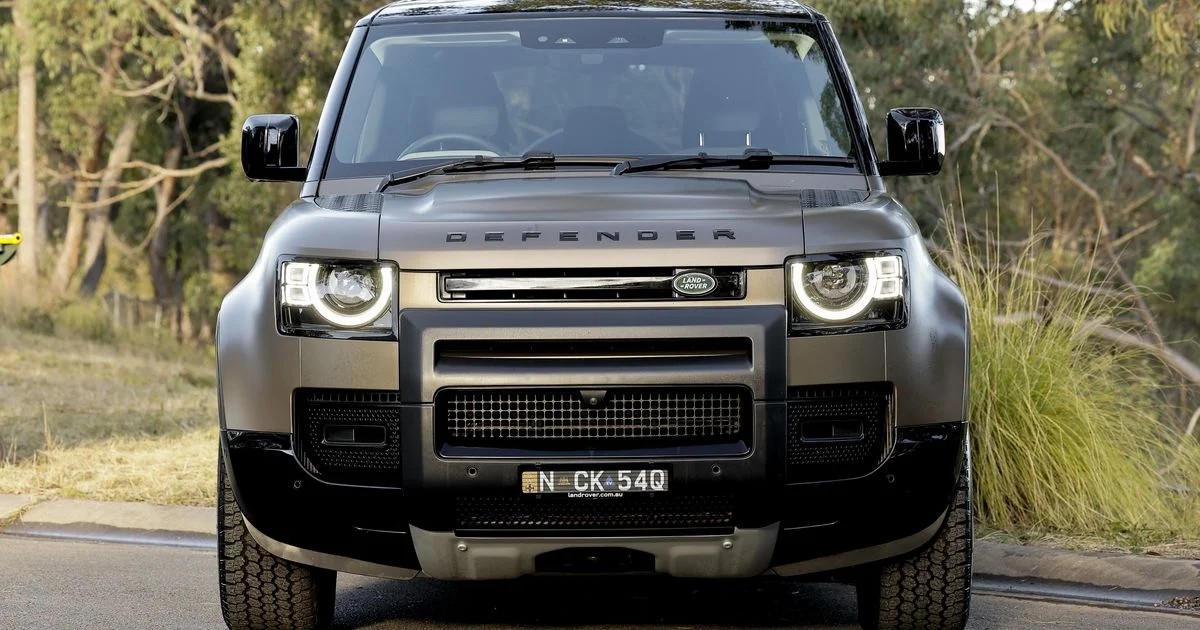
Jaguar Land Rover (JLR) Australia has initiated a safety recall affecting a small number of current-generation Defender SUVs due to a critical flaw in the third-row seat belt anchorage brackets. The issue centers on the potential for weak welds, which could compromise seat belt functionality in a collision.
The Problem: Weak Weld Studs
According to JLR’s official recall notice, the lower left and right seat belt anchorage brackets in affected vehicles may contain weld studs that lack sufficient strength. This defect means the seat belts might not secure occupants properly during an accident, increasing the risk of serious injury or even fatality.
This isn’t simply a matter of inconvenience; seat belts are the primary safety restraint in most vehicles, and any failure in this system has immediate, potentially life-threatening consequences.
Affected Vehicles and VIN Check
The recall covers 30 vehicles manufactured between 2025 and 2026. Owners can verify if their vehicle is included by cross-referencing the Vehicle Identification Number (VIN) list provided by JLR Australia. The company states it has already notified affected owners in writing.
Immediate Action Required
JLR Retailers have been instructed to immediately advise owners to discontinue use of the third-row seats on recalled vehicles. Once repair parts are available, owners will be contacted to schedule a free replacement of the faulty seat belt anchorage brackets.
The company’s prompt action is critical, as a compromised seat belt could fail without warning, even in minor accidents.
Why This Matters
While the number of vehicles affected is small, the severity of the potential outcome makes this recall significant. It underscores the importance of rigorous quality control in automotive manufacturing, especially regarding safety-critical components.
The recall also highlights the proactive role manufacturers play in identifying and addressing defects before they lead to real-world harm.
The recall serves as a reminder that even luxury brands like Land Rover are not immune to manufacturing issues, and that vehicle safety should always be the top priority.