


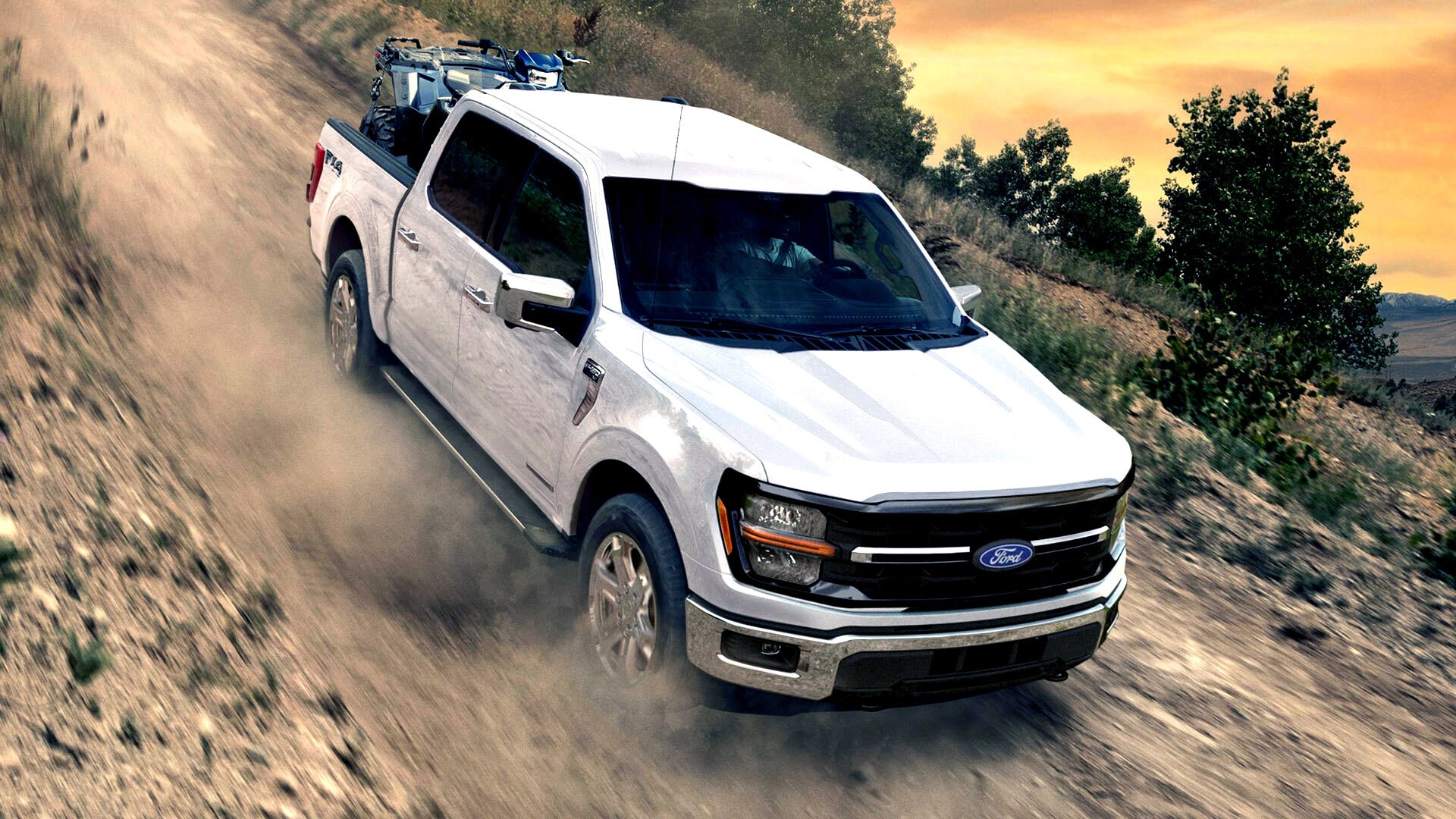
Ford’s first-quarter sales figures reveal an 8.8% decline, totaling 457,315 units sold – a drop of over 43,900 vehicles. This downturn is not simply a matter of market conditions; rather, it’s directly linked to Ford’s recent production and model elimination decisions. The company is now acknowledging a “changing industry,” but the numbers suggest these shifts are creating headwinds rather than tailwinds.
Production Cuts Hit Hardest
The biggest drag on sales came from discontinued models. The Ford Escape and Lincoln Corsair, both discontinued last year, account for a combined loss of roughly 43,600 units compared to Q1 of the previous year. While the Bronco Sport saw a modest 5% gain (about 1,658 extra customers), it did not nearly offset the lost volume. This highlights a key issue: customers aren’t readily transferring their loyalty to similar alternatives within Ford’s lineup.
Electric Vehicle Sales Plummet
The electric vehicle (EV) segment also experienced severe setbacks. The F-150 Lightning saw sales plunge by 71.3% as dealers rush to clear remaining inventory before its discontinuation. More broadly, F-Series truck sales declined by 16% overall, with only 159,901 units sold. Even the hybrid Maverick underperformed, falling by 10.9%.
The Mustang Mach-E suffered a 60.4% drop after the federal tax credit was eliminated, moving just 4,600 units. The E-Transit fared even worse, with a 94.7% decline and only 200 units sold. These numbers demonstrate how heavily Ford’s EV strategy relied on government incentives to drive demand.
Bright Spots: SUVs Lead the Way
Despite the overall decline, some models bucked the trend. The redesigned Expedition and Explorer both saw gains of over 30% and 29.7% respectively, suggesting a strong consumer preference for larger SUVs. The Mustang also saw a surprising 50.1% increase, selling an additional 4,697 units. These gains, however, were not enough to offset the broader losses.
Lincoln Remains Stable
Lincoln’s performance was relatively steady, with overall sales down only 0.5%. The Nautilus experienced a decline, but the Aviator surged by 31.4%, while the Navigator rose by 6.5%. This suggests Lincoln’s luxury segment is holding its own despite the broader industry downturn.
Ford’s Spin and Strategic Shift
Ford executives attempted to frame the results positively, emphasizing a “strategic shift toward high-margin SUVs.” The company also claims its retail market share increased by 0.2% to 11.6%. However, the data indicates that while Ford may be adjusting its focus, the transition is currently causing significant sales pain. The company also cited a “difficult year-to-year comparison” due to strong sales in March 2025, but this explanation doesn’t change the underlying reality of declining sales volume.
In conclusion, Ford’s Q1 2026 sales reveal a painful adjustment period as the company navigates production cuts, EV market challenges, and shifting consumer preferences. The short-term gains in SUVs are overshadowed by substantial losses in key models, painting a mixed picture for the automaker’s future.


