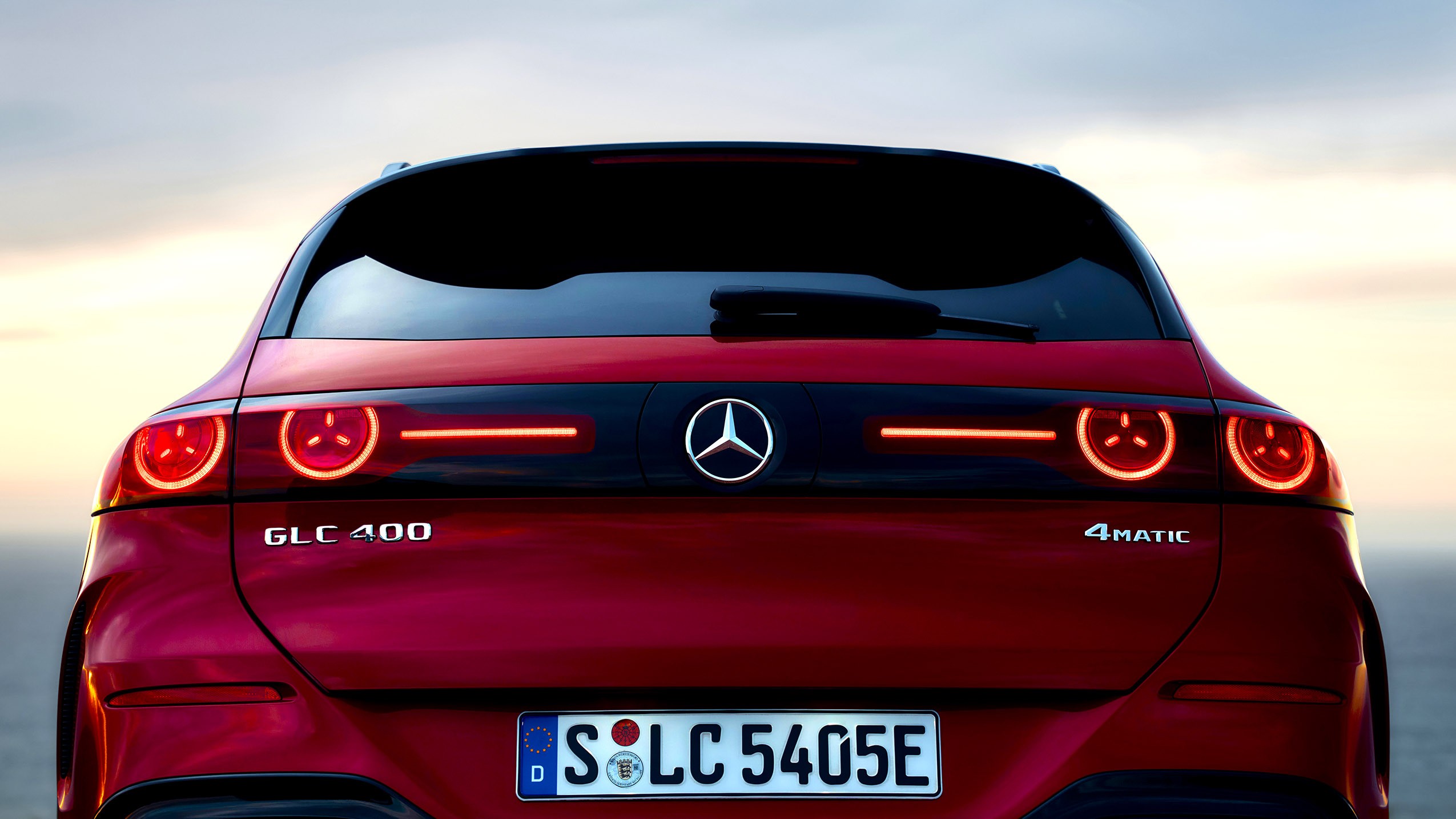
The German automotive market has undergone a dramatic reversal. Just one year ago, the sector faced a period of instability following the abrupt withdrawal of government subsidies, which caused demand for electric vehicles (EVs) to plummet. However, new legislative incentives have fundamentally shifted the momentum, propelling battery-electric vehicles (BEVs) to a dominant position in the country’s automotive landscape.
The Shift in Market Dominance
In March, Germany saw a significant uptick in total vehicle registrations, rising 16% compared to the previous month to reach 294,161 units. The most notable development within these figures is the rapid ascent of electric mobility:
- Battery-Electric Vehicles (BEVs): 70,663 units registered (24% market share ).
- Petrol Models: 67,068 units registered (22.8% market share ).
- Diesel Models: 37,653 units registered (12.8% market share ).
This shift marks a turning point where electric models have officially surpassed both gasoline and diesel engines in popularity. On a year-over-year basis, March EV sales skyrocketed by 66.2% compared to the same month last year. This trend is even more pronounced in the year-to-date figures, with 159,630 BEVs sold so far this year—a 41.3% increase over the first quarter of 2025.
The Rise of Hybridization and Global Competition
The surge is not limited to pure electric models; the broader electrified market is seeing massive growth. Hybrid vehicles (including plug-in hybrids) now represent 40.1% of all new car registrations in Germany. In March alone, hybrid sales rose by 16.2%, totaling 117,845 units.
This growth is being driven by a combination of aggressive expansion from new entrants and steady gains from established European manufacturers:
The New Players
Chinese manufacturers are making significant inroads into the German market, showing triple-digit growth rates:
– BYD: +327.1%
– Leapmotor: +318.1%
– Tesla: +315.1% (with 9,252 units sold in March)
The Established Guard
Traditional European brands are also capitalizing on the transition:
– Opel: +43.0%
– Audi: +25.0%
– BMW: +16.5%
– Skoda: Currently holds an 8.4% market share, leading the import brands.
Why the Market is Moving: The Incentive Factor
The primary driver behind this sudden “rebound” is a renewed government support structure designed to lower the barrier to entry for consumers. After the previous subsidy cliff caused market anxiety, the new framework provides long-term certainty:
- Tax Exemptions: New EVs registered as of January 1 are exempt from motor vehicle tax until December 31, 2035.
- Direct Subsidies:
- A base subsidy of €3,000 for standard EV purchases.
- Up to €6,000 for lower-income households.
- Up to €4,500 for plug-in hybrids and extended-range electric vehicles.
This aggressive incentive package has effectively neutralized the “price gap” that previously deterred many buyers, creating a high-demand environment even amidst broader economic uncertainties.
Conclusion
Germany’s automotive market has successfully transitioned from a period of subsidy-induced stagnation to a period of rapid electrification. By combining long-term tax breaks with direct cash incentives, the government has successfully repositioned electric and hybrid vehicles as the new standard for German drivers.