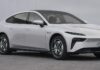
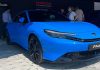
Hyundai has pulled the wraps off two radical concept vehicles, the Venus saloon and the Earth SUV, signaling a major strategic pivot for the Chinese market. These models are not merely design studies; they represent a complete departure from Hyundai’s global electric vehicle (EV) identity, specifically tailored to meet the unique demands of Chinese consumers.
A New Identity: From Numbers to Planets
In a significant branding shift, Hyundai is moving away from the numerical naming convention used for its global Ioniq lineup (such as the Ioniq 5 or 6). Instead, its upcoming Chinese EV range will adopt celestial names.
This change is more than cosmetic. Hyundai describes this new “Ioniq universe” as a philosophy where each vehicle “orbits around the customer.” By ditching the standard alphanumeric codes, the company aims to create a more emotive and premium brand perception that resonates with the sophisticated tastes of the Chinese market.
Design Evolution: Breaking the “Pixel” Mold
For several years, Hyundai’s EV identity has been defined by a “retro-futuristic” aesthetic characterized by heavy use of pixels and monolithic shapes. The Venus and Earth concepts break this mold entirely, introducing a new design language focused on “single-curve” silhouettes.
The Venus Saloon: A Digital Cockpit
The Venus concept serves as a sharp contrast to the existing Ioniq 6. While the Ioniq 6 is known for its flowing, aerodynamic curves, the Venus features:
– A cab-forward profile with sharper, more aggressive edges.
– A lightweight, frame-structured roof and a transparent spoiler.
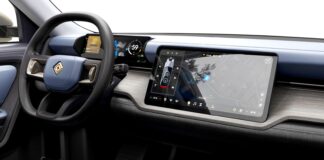
– A minimalist, ultra-digital interior that eliminates all physical switchgear in favor of a massive, width-spanning digital display.
– Premium finishes, including suede upholstery and gold accents, to elevate its market positioning.
The Earth SUV: Tapping into the “Rugged” Trend
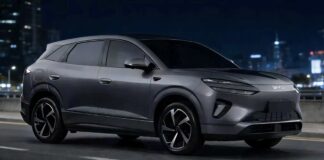
The Earth concept addresses a specific consumer trend in China: the rising demand for robust, “outdoor-ready” family SUVs. Much like the popularity of the Land Rover Defender, the Earth features:
– Chunky body cladding and protective skid plates.
– A muscular, “swollen” body design.
– An interior focused on wellness, featuring “air-hug” seats (utilizing air-filled pockets) and “shy-tech”—technology that remains hidden until needed to maintain a calm, minimalist atmosphere.
Why This Matters: The Battle for China
The Chinese automotive market is arguably the most competitive in the world, dominated by high-tech domestic brands like BYD and Xiaomi that move much faster than traditional Western manufacturers.
By developing a bespoke lineup that is fundamentally different from its global products, Hyundai is acknowledging that a “one size fits all” approach is no longer viable. This strategy allows them to compete directly on high-end digital integration and specific lifestyle aesthetics—such as ruggedness or ultra-modern minimalism—that are currently driving sales in the region.
Hyundai’s move suggests a transition from being a global mass-market manufacturer to a localized, high-tech competitor capable of tailoring its very identity to specific regional tastes.
Conclusion
Through the Venus and Earth concepts, Hyundai is signaling that its future in China will be defined by planet-themed branding, radical new design languages, and a hyper-focus on local consumer trends like premium digital interfaces and rugged lifestyle vehicles.