For many automotive enthusiasts, the dream of owning a high-end luxury coupe—brands like Porsche, Ferrari, or Aston Martin—remains a distant fantasy. The barrier to entry is rising; for instance, a base-model 2026 Porsche 911 Carrera starts at roughly $137,850, while a new Aston Martin DB12 commands a staggering $265,500.
However, there is a silver lining to the phenomenon of depreciation. While losing value is a nightmare for new car buyers, it creates a unique opportunity for second-hand shoppers to acquire world-class engineering for a fraction of the original sticker price. Among the best values currently on the used market is the Jaguar XK.
The “Affordable Aston Martin”
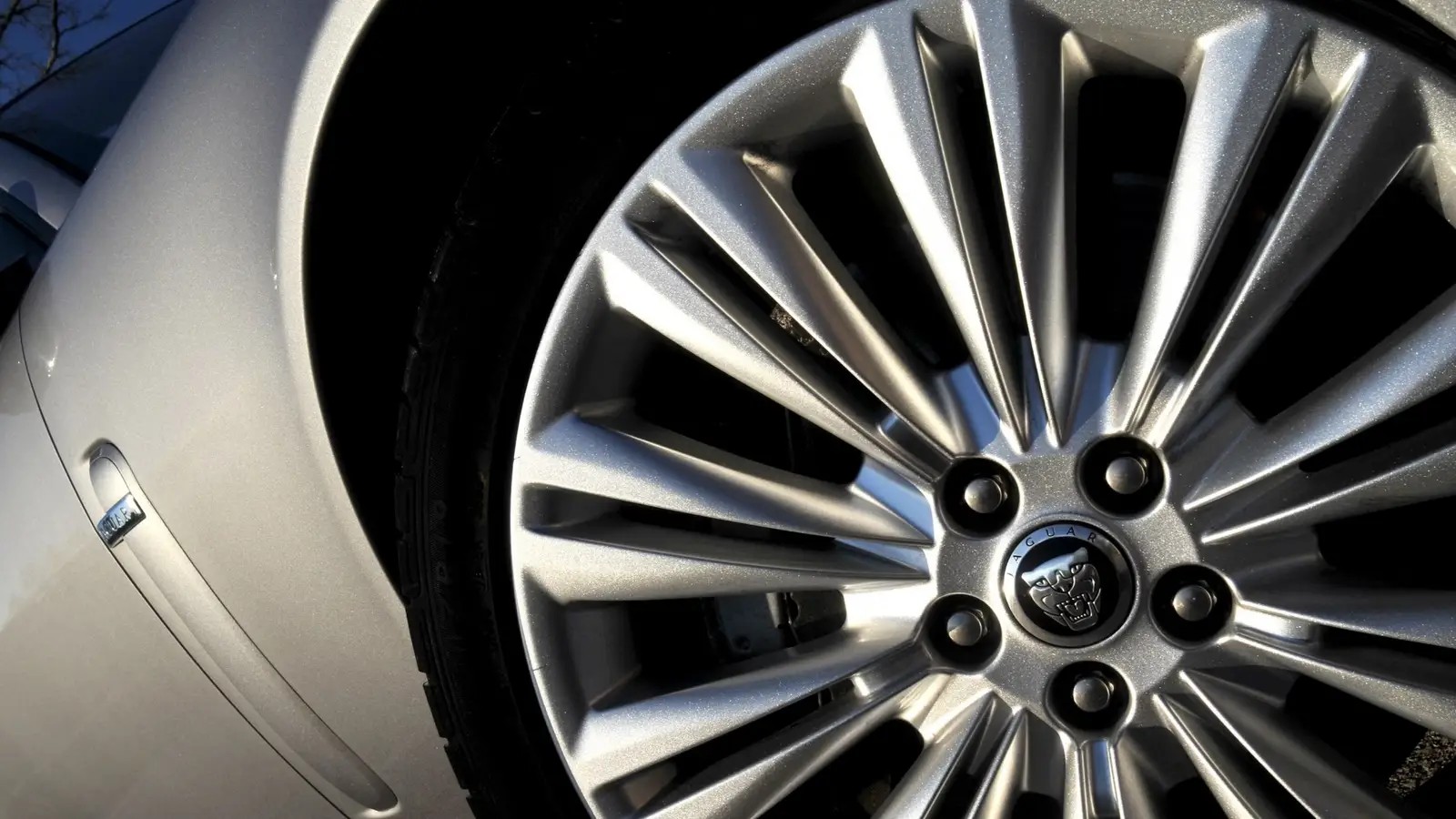
The second-generation Jaguar XK (the X150 series) has long been noted for its striking aesthetics. When it debuted, some critics pointed out its resemblance to Aston Martin models. This wasn’t a coincidence; the XK’s sculpted aluminum body was designed by Ian Callum, the legendary designer responsible for the Aston Martin DB7 and Vanquish.
The result is a grand tourer (GT) that offers the prestige and silhouette of a much more expensive exotic, but with a much more accessible entry point.
Decoding the Numbers: Depreciation vs. Value
To understand why the XK is such a steal, one must look at the broader trends in the automotive market. The average price of a new vehicle has climbed to approximately $50,000, making even “standard” cars a major investment. Meanwhile, most new vehicles lose about 41.8% of their value within the first five years.
The Jaguar XK has benefited significantly from this curve. While a 2007 model originally cost around $75,500, recent market data shows a much different reality:
* 2006–2007 models: Averaging between $10,600 and $16,820.
* 2010 models (post-facelift): Averaging around $18,656.
* High-performance XKR variants: Even the supercharged 2010 XKR models can be found for approximately $23,363.
In a market where a new mid-sized sedan can cost more than $40,000, these figures allow drivers to step into a V8-powered luxury coupe for the price of a budget commuter car.
Performance and Practicality
The XK is defined by its power. Unlike many modern sports cars that offer multiple engine choices, the XK is committed to the V8 formula :
- Standard XK: Features a naturally aspirated V8 (4.2L in early models; 5.0L in later versions) producing between 300 and 385 horsepower.
- XKR (Supercharged): For those seeking more aggression, the supercharged variants deliver between 420 and 510 horsepower, capable of reaching 60 mph in roughly 4.5 seconds.
Beyond raw speed, the XK is designed as a Grand Tourer. This means it prioritizes long-distance comfort over cramped, track-focused ergonomics. With a 2+2 seating configuration and a hatchback-style rear, it offers more utility than a traditional two-seater, making it a viable companion for road trips.
Is It the Right Move for You?
Buying a luxury vehicle that is nearly two decades old carries inherent risks. While the Jaguar XK is a robust machine, aging luxury cars can present maintenance challenges.
Pro Tip: Always secure an independent pre-purchase inspection (PPI) before buying an aging luxury vehicle to ensure there are no hidden mechanical or electrical issues.
Conclusion
The Jaguar XK offers a rare intersection of high design, V8 performance, and extreme value. For the enthusiast who wants the prestige of a luxury GT without the six-figure price tag, it remains one of the most compelling bargains on the used market.