The mid-size pickup truck market is undergoing a significant transformation. Traditionally viewed as utilitarian tools defined by ruggedness and “hard plastic” interiors, these vehicles are increasingly being targeted at lifestyle buyers who demand luxury and advanced technology.
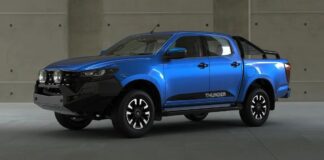
Leading this charge is Chery, which has recently revealed the interior of its upcoming KP31—a plug-in hybrid diesel pickup designed to compete directly with established heavyweights like the Ford Ranger.
A Departure from Utility-First Design
For decades, the segment has prioritized durability over aesthetics. However, a new wave of competition is shifting the goalposts. With rivals like the BYD Shark 6 and the Kia Tasman already raising the bar, Chery’s KP31 aims to position itself as a premium alternative that doesn’t sacrifice toughness.
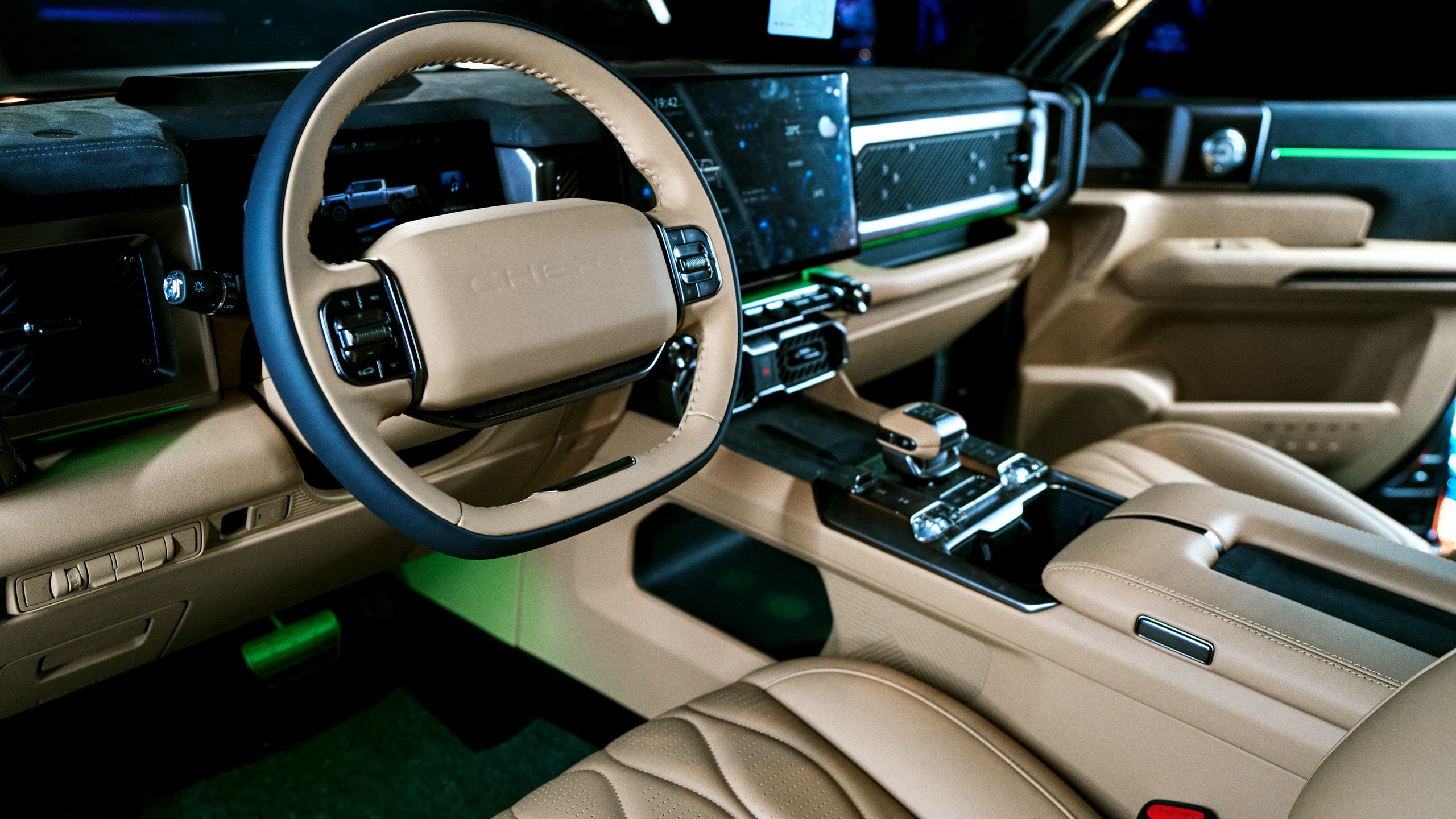
The newly revealed cabin features a sophisticated two-tone tan-and-black finish, moving away from the monochromatic, utilitarian layouts common in the segment. Key interior highlights include:
- Premium Materials: The upper dashboard appears to be finished in Alcantara, lending a high-end feel rarely seen in work-focused trucks.
- Advanced Tech: A large central infotainment screen and a full digital instrument cluster anchor the dashboard.
- User-Centric Controls: Recognizing that drivers need to operate vehicles in rugged environments, Chery has implemented “brutish” switchgear, including large physical toggles for climate control and oversized rotary knobs.
- Practical Features: The layout includes wireless charging pads, physical controls for off-road modes and differential locks, and dedicated buttons for heated and ventilated seats.
Powertrain and Capability: The Hybrid Edge
The KP31’s most significant technical proposition is its powertrain. Chery intends to launch the vehicle with what it describes as a first-of-its-kind plug-in hybrid diesel engine.
While specific horsepower and torque figures remain under wraps, the mechanical foundation consists of a 2.5-liter turbocharged four-cylinder engine. This hybrid approach aims to bridge the gap between the high torque/efficiency of diesel and the electrification trends currently reshaping the automotive industry.
In terms of raw capability, Chery is targeting industry-standard benchmarks:
– Towing Capacity: Up to 3,500 kg (7,716 lbs).
– Payload: Up to 1,000 kg (2,204 lbs).
Following the initial diesel-hybrid rollout, a gasoline-powered plug-in hybrid variant is expected to join the lineup.
Market Context: Why This Matters
The entry of the KP31 into the Australian market represents a broader trend: the “lifestyle-ization” of the pickup truck. As consumers increasingly use these vehicles for both heavy-duty work and family commuting, manufacturers are forced to balance two conflicting identities—the rugged workhorse and the comfortable cruiser.
By combining a plug-in hybrid diesel engine with a luxury-leaning interior, Chery is betting that buyers are looking for a vehicle that can tow a heavy trailer on the weekend but feel like a premium SUV during the weekday commute.
The KP31’s strategy relies on blending high-end cabin aesthetics with a novel hybrid diesel powertrain to disrupt a market traditionally dominated by internal combustion legacy brands.