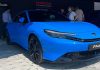
The compact electric SUV market has become a high-stakes battleground where two fundamentally different philosophies collide. On one side stands the Tesla Model Y, a vehicle that has redefined the segment through high-speed performance and software-centric innovation. On the other is the Subaru Solterra, an EV that ignores the trend of “tech-first” design in favor of the rugged, dependable utility that has defined the Subaru brand for decades.
For much of the EV market, “better” is often measured by 0–60 mph times or screen real estate. However, this comparison reveals that for many drivers, the true value of an SUV lies in how it handles a snowy commute, a gravel driveway, or the simple ease of adjusting the temperature while driving.
Performance: Precision vs. Predictability
The technical specifications of these two vehicles highlight a massive divide in engineering intent:
| Feature | Subaru Solterra (Base) | Tesla Model Y (Long Range AWD) |
|---|---|---|
| Drivetrain | All-Wheel Drive (Dual-Motor) | All-Wheel Drive |
| Horsepower | 233 hp | 425 hp |
| Torque | 250 lb-ft | Not specified |
| Focus | Stability & Traction | Speed & Efficiency |
The Subaru Approach: Confidence in Any Weather
The Solterra is not built to win drag races. With 233 horsepower, its acceleration is steady and smooth rather than aggressive. Instead, Subaru has leveraged its decades of expertise in All-Wheel Drive (AWD) systems to prioritize traction and control. The Solterra is designed for the driver who needs to feel secure on wet, icy, or uneven surfaces, offering a predictable driving experience that favors stability over excitement.
The Tesla Approach: The Thrill of the Drive
The Model Y is a different beast entirely. With 425 horsepower in its Long Range AWD trim, it offers a level of responsiveness that can rival sports cars. Tesla utilizes a low center of gravity—thanks to the heavy battery pack sitting low in the chassis—to provide sharp, planted handling on paved roads. While this makes for an engaging, high-energy drive, it is a performance tuned primarily for the highway and well-maintained urban environments.
Interior Philosophy: Ergonomics vs. Minimalism
The cabin experience of these two EVs highlights the growing divide in automotive user interface (UI) design.
- Subaru Solterra: Employs a user-centric design. While it features a modern 12.3-inch touchscreen, Subaru retains physical controls for essential functions like climate adjustment. This is a critical distinction for safety and ease of use, allowing drivers to make adjustments by feel without taking their eyes off the road. The materials are chosen for durability, catering to those with active, outdoor lifestyles.
- Tesla Model Y: Embraces radical minimalism. Almost every interaction occurs through a single, massive central touchscreen. While this creates a sleek, futuristic aesthetic and a “clean” cabin, it introduces a steeper learning curve. Simple tasks often require navigating digital menus, prioritizing a high-tech atmosphere over traditional ergonomic familiarity.
Ride Quality and Real-World Versatility
When moving away from smooth asphalt, the differences in suspension tuning become even more apparent.
The Solterra is tuned for comfort and versatility. Its suspension is designed to absorb road imperfections, and its higher ground clearance provides a commanding view of the road. This makes it a superior choice for drivers who frequently encounter potholes, unpaved roads, or varying terrain.
The Model Y leans toward a firmer, sportier setup. This improves cornering and responsiveness on smooth roads but can result in a “stiffer” ride where road bumps are felt more acutely in the cabin. Its lower ride height makes it feel more like a performance sedan than a rugged SUV.
Safety and Reliability: Two Paths to Security
Both vehicles are leaders in safety, yet they approach the concept through different lenses:
- Subaru Solterra: Focuses on integrated assistance. Its driver-aid systems are designed to be supportive and non-intrusive, aiming to enhance the driver’s natural capabilities. Subaru’s reputation for mechanical reliability provides a sense of long-term peace of mind for traditional buyers.
- Tesla Model Y: Focuses on advanced automation. Tesla uses a sophisticated camera-based system and frequent over-the-air software updates to constantly refine its safety features. While this keeps the car “evolving,” it can lead to a less predictable user experience compared to Subaru’s more static, proven methods.
Conclusion
The choice between these two SUVs ultimately depends on what a driver defines as “essential.” The Tesla Model Y is the clear winner for the tech-forward enthusiast who demands speed, cutting-edge software, and high-efficiency performance. However, the Subaru Solterra offers a compelling alternative for the pragmatic buyer who values all-weather capability, physical usability, and a comfortable, predictable ride.
The Bottom Line: If you want a gadget on wheels that thrills, choose Tesla; if you want a reliable tool for life’s unpredictable journeys, choose Subaru.