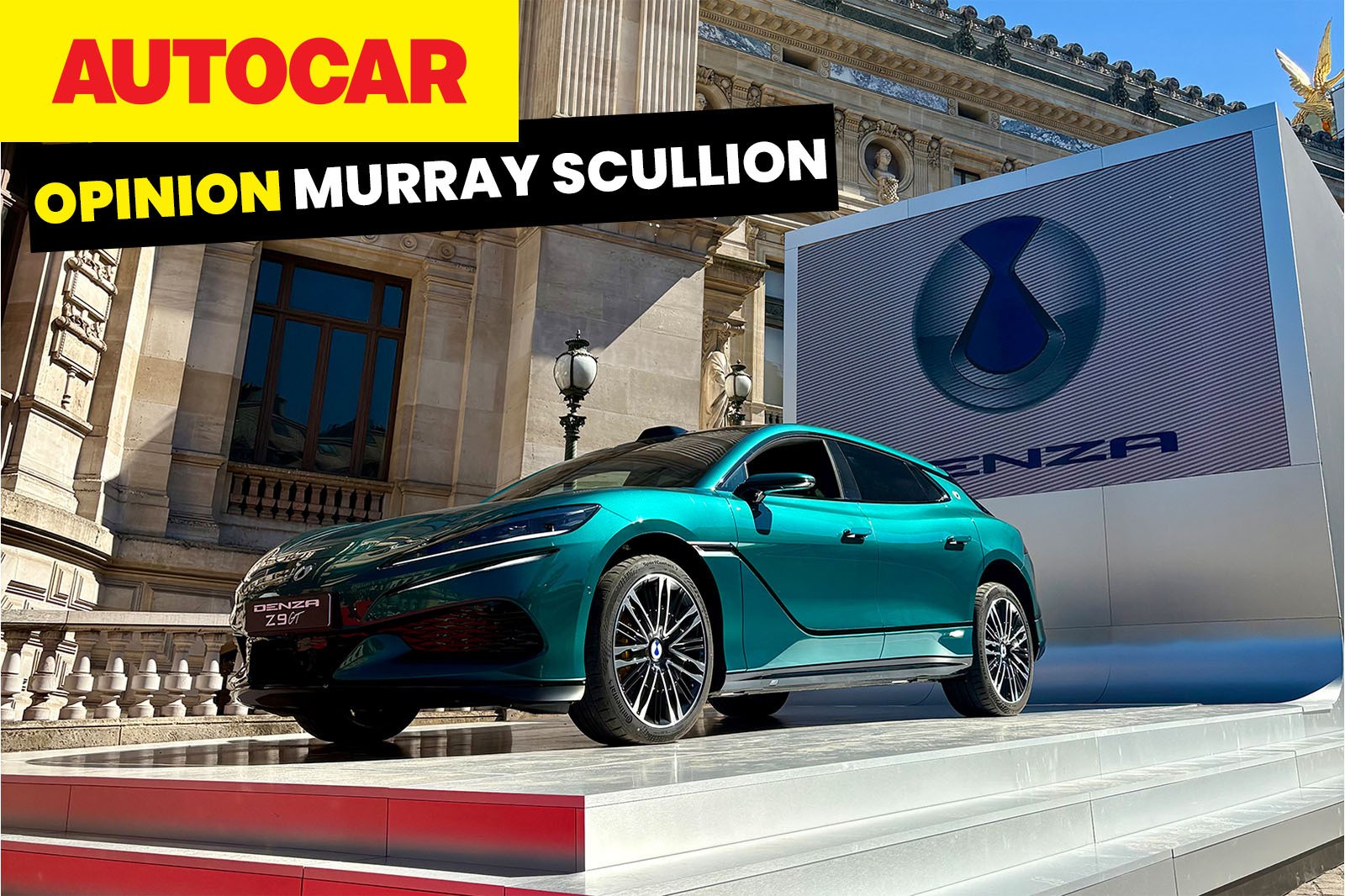
BYD’s premium sub-brand, Denza, has made a grand entrance into the European market. Eschewing traditional automotive showrooms for the high culture of Paris, the brand hosted a massive launch event at the historic Palais Garnier. The scale of the event was designed to signal one thing: Denza is not here to compete with budget commuters, but to challenge the established luxury elite.
A Cinematic Debut in Paris
The choice of venue was highly symbolic. The Palais Garnier—the legendary opera house that inspired The Phantom of the Opera —provided a backdrop of immense cultural prestige. By hosting their debut in such an opulent setting, Denza attempted to bypass the “newcomer” stigma often associated with Chinese automotive brands.
The event was a masterclass in high-society branding:
* High-Profile Guests: The guest list included motorsport legends like Felipe Massa and Jean Todt, alongside a wave of modern celebrities and global CEOs.
* Digital Influence: A significant presence of influencers ensured the brand’s tagline, “Technology Drives Elegance,” permeated social media.
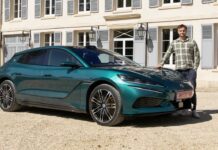
* Visual Contrast: The centerpiece, the Z9 GT shooting brake, was positioned against the ornate Second Empire architecture, creating a striking visual juxtaposition of modern technology and classical luxury.
The Strategy: Soft Power and Brand Perception
This launch is part of a broader, calculated move by BYD to utilize “soft power.” In the corporate world, soft power is the ability to influence through prestige and cultural association rather than direct competition.
We have seen this strategy work before. BYD’s massive sponsorship of Euro 2024 allowed them to reach a global audience of over five billion people, building mass-market familiarity. However, the Denza launch represents a pivot from mass awareness to niche prestige.
The Challenge: Moving from “Buzzy” to “Bought”
While the event was undeniably successful in creating “Instagrammable” moments and social media buzz, Denza faces a much steeper climb than BYD’s mainstream models.
The brand is positioning itself as a direct rival to Porsche. This is a high-stakes gamble for several reasons:
1. Brand Heritage: Luxury consumers often buy based on decades of heritage and “story.” Denza must prove it has the soul to match its shiny exterior.
2. The Price of Entry: To compete with Porsche, Denza cannot just offer similar specs; it must offer a comparable ownership experience, service, and status.
3. Market Perception: Transitioning from a manufacturer known for value-driven electric vehicles (BYD) to a luxury powerhouse (Denza) requires a delicate balancing act to avoid diluting the brand’s perceived exclusivity.
The central question remains: Can a brand built on rapid technological expansion successfully command the same emotional loyalty and premium pricing as century-old European luxury icons?
Conclusion
Denza has successfully captured the spotlight through a high-concept, high-glamour debut in Paris. However, the true test will not be the number of hashtags generated, but whether the brand can convert this cultural prestige into long-term loyalty from the world’s most discerning drivers.