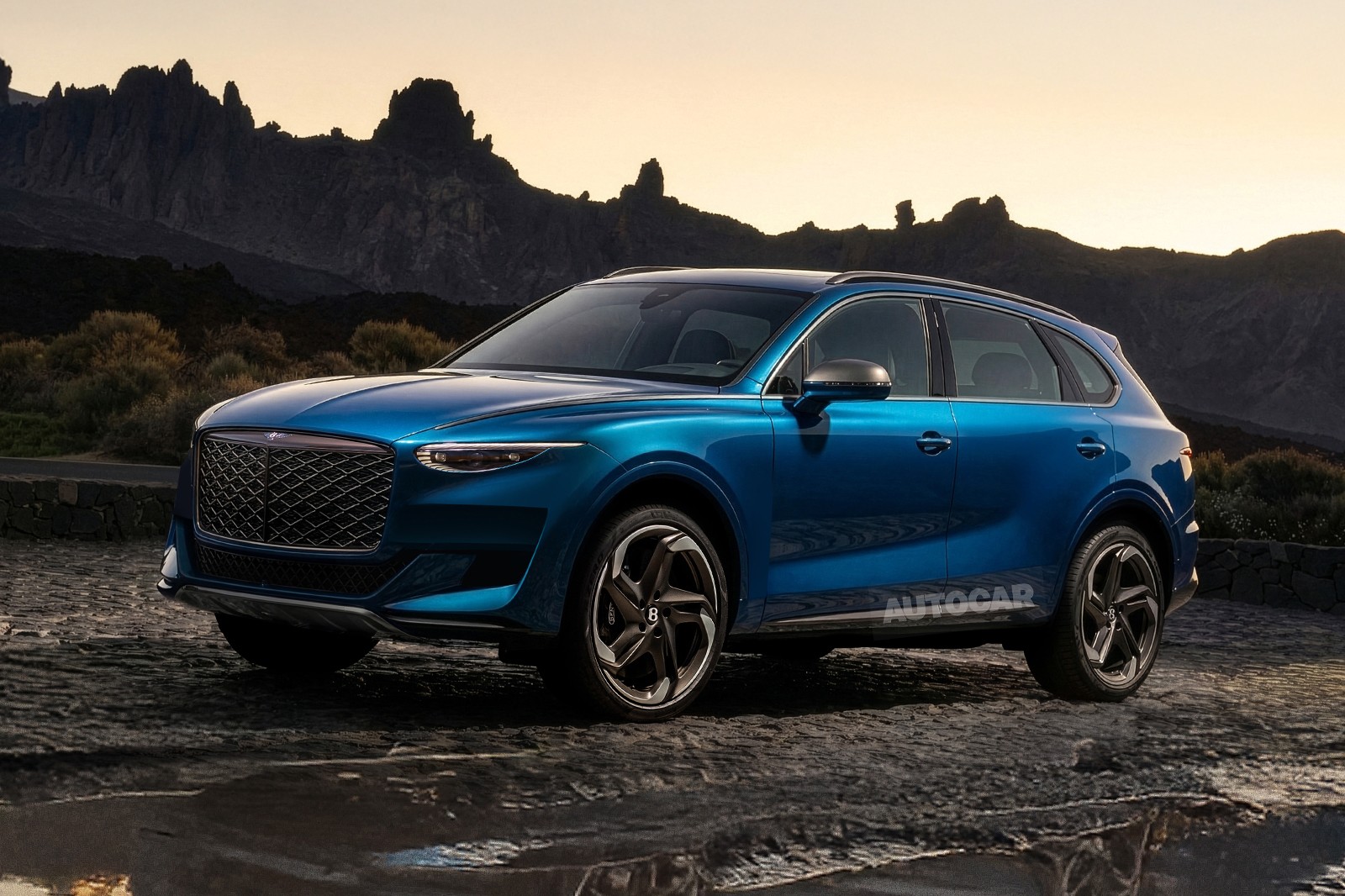
Bentley has undergone a significant strategic shift regarding its electrification roadmap. Rather than rushing toward a fully electric lineup, the luxury manufacturer has decided to prioritize Plug-in Hybrid Electric Vehicle (PHEV) technology. The centerpiece of this new direction will be the next-generation Bentayga, slated for release in 2028.
A Strategic U-Turn
Originally, Bentley planned to launch five new electric vehicles (EVs) by 2030, with an all-electric Bentayga serving as a cornerstone of that transition. However, those plans have been scrapped.
This pivot is largely driven by broader shifts within the Volkswagen Group. Specifically, Porsche has delayed the development of its advanced electric platform, a move prompted by a cooling global market for premium EVs. Because Bentley’s future EV roadmap was tied to this architecture, the delay forced a complete rewrite of the brand’s product cycle.
The Bridge to 2035
Bentley’s leadership, led by Frank-Steffen Walliser, views PHEVs as the essential “bridge” technology. This strategy addresses two critical factors:
1. Regulatory Deadlines: Legislation in the UK and much of the EU aims to phase out new internal combustion engine sales by 2035.
2. Consumer Demand: The market for high-end electric vehicles has not yet reached the level of maturity or widespread adoption required to replace traditional engines entirely.
By focusing on hybrids, Bentley can meet tightening emissions standards while still catering to a “very loyal fan base” that remains hesitant to move away from the performance and sound of combustion engines.
Technical Details: The New Bentayga
The next-generation Bentayga will move away from the previously planned Porsche ‘Sport’ platform. Instead, it will utilize the Premium Platform Combustion (PPC), the same architecture used for the new Porsche Cayenne and the upcoming Audi Q9.
This shift offers several key advantages for the 2028 model:
– Engine Versatility: The PPC platform is designed to house powerful six- and eight-cylinder petrol engines.
– Enhanced Hybrid Performance: While current Bentayga PHEVs offer roughly 30 miles of electric-only range, the new generation will feature advanced batteries and electronics to significantly extend this distance.
– Market Stability: As the Bentayga currently accounts for approximately 50% of Bentley’s total sales, ensuring its evolution meets existing customer preferences is vital for the brand’s financial health.
What Lies Ahead for Bentley’s EV Transition
Despite this pivot toward hybrids, Bentley is not abandoning electrification entirely. The brand is still set to unveil its first dedicated electric model—referred to as the “Luxury Urban EV” —in the second half of this year. However, following that debut, the brand does not expect to launch another pure EV until after 2030.
“We don’t have to force people to change from a combustion engine or plug-in hybrid car to an electric car when the buyer demand is not there yet.” — Frank-Steffen Walliser, Bentley Executive
Conclusion
Bentley is choosing pragmatism over rapid electrification, leveraging hybrid technology to satisfy current luxury consumer demands while navigating a shifting regulatory landscape. This strategy ensures the brand’s most profitable model, the Bentayga, remains relevant during the long transition toward a fully electric future.