


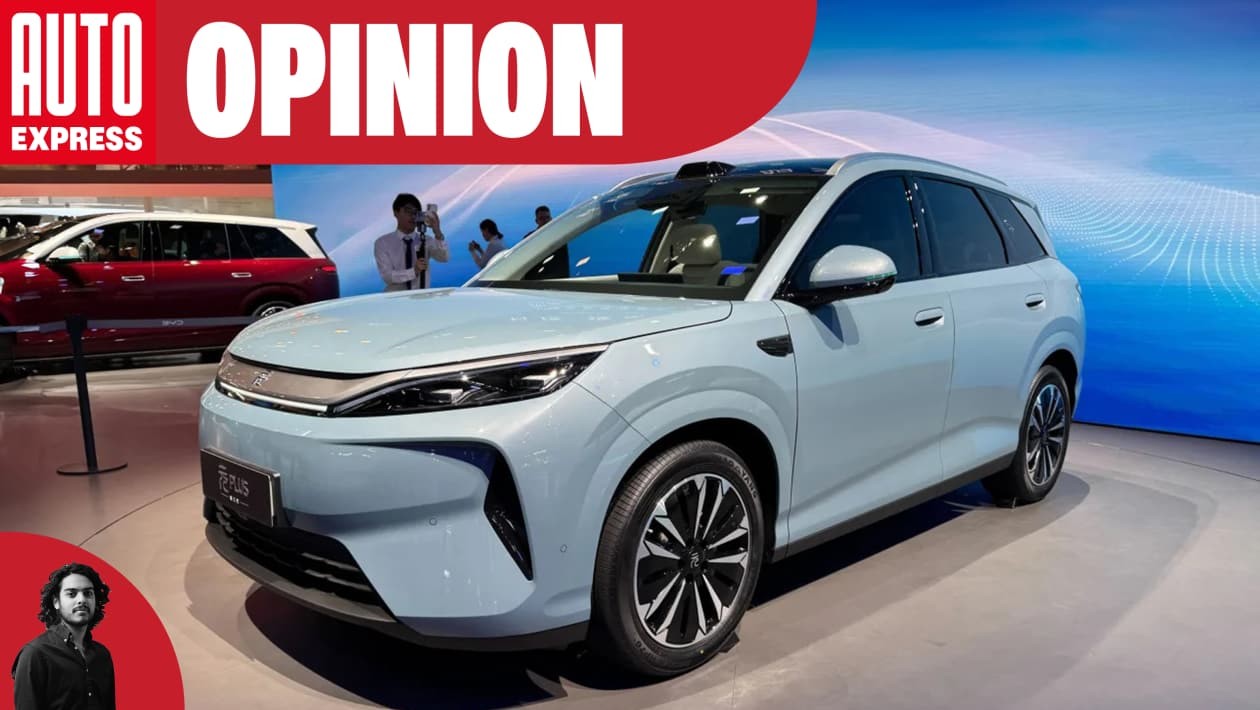
The prevailing narrative in the automotive industry is one of inevitable displacement. From social media pundits to mainstream news, the consensus often suggests that legacy manufacturers in Europe, Japan, and Korea are on the brink of obsolescence. The logic is simple: China’s rapid production cycles, lower labor costs, and aggressive technological integration have given them an insurmountable lead.
However, a closer look at the current landscape—specifically following recent showcases like the 2026 Auto Show—suggests that while the threat is real, the “Chinese takeover” is not yet a finished story. There is a fundamental missing ingredient in the Chinese automotive arsenal: authenticity.
The Difference Between Innovation and Identity
While Chinese brands have mastered the “specs” race, they have yet to master the “soul” race. In the modern EV era, many manufacturers compete on a checklist of features: faster charging, larger screens, and seamless connectivity. Chinese automakers are winning this battle with ease. Yet, beneath the high-tech veneer, there is a noticeable lack of design originality.
To understand this distinction, one must look at the difference between a manufactured spectacle and a cultural landmark. Much like modern urban developments that replicate historical sites like the Colosseum or Venetian canals for visual appeal, many Chinese vehicles feel like high-quality recreations rather than original creations. They are visually arresting, but they lack a distinct sense of place or purpose.
The “Copy-Cat” Evolution
The industry has moved past the era of blatant, “snigger-worthy” imitation that characterized the Chinese market a decade ago. Today, the issue is more subtle. Instead of direct copies, there is a pervasive sense of homogeneity.
- Uniform Aesthetics: A vast majority of new models share similar silhouettes, wheel designs, and facial expressions.
- Interior Sameness: Despite the heavy use of digital interfaces, the fundamental design language across different brands feels remarkably similar.
- Market-Gap Focus: Most brands appear to be searching for profitable gaps in the market rather than attempting to define a new era of automotive culture.
While brands like Avatr and Xiaomi are beginning to carve out unique identities, the broader market still lacks the cultural signature found in legacy brands. A Fiat carries the unmistakable essence of Italian design; a Citroën feels inherently French. Currently, most Chinese brands lack a comparable “national” design DNA that resonates on a global, emotional level.
The Path Forward for Legacy Brands
The threat to traditional manufacturers is not misplaced. Legacy brands have certainly struggled with:
– Over-regulation in their home markets.
– Slow decision-making processes.
– Complacency regarding the shift to electric drivetrains.
However, these companies are currently in a period of rapid adaptation. Unlike the newcomers, legacy brands possess a deep well of historical identity and design philosophy. As they pivot toward electrification, they are doing so by leveraging their existing “authenticity”—a quality that is difficult to manufacture but essential for long-term brand loyalty.
While Chinese automakers have mastered the speed of production and the scale of technology, true global dominance requires more than just filling market gaps; it requires the creation of a unique identity that consumers can connect with emotionally.
Conclusion
Chinese automakers are poised to disrupt the mainstream market with highly competitive, well-equipped vehicles, but they have yet to achieve cultural resonance. Until they can move beyond market-driven design to offer truly original, authentic identities, the world’s most beloved legacy brands will maintain their foothold.


