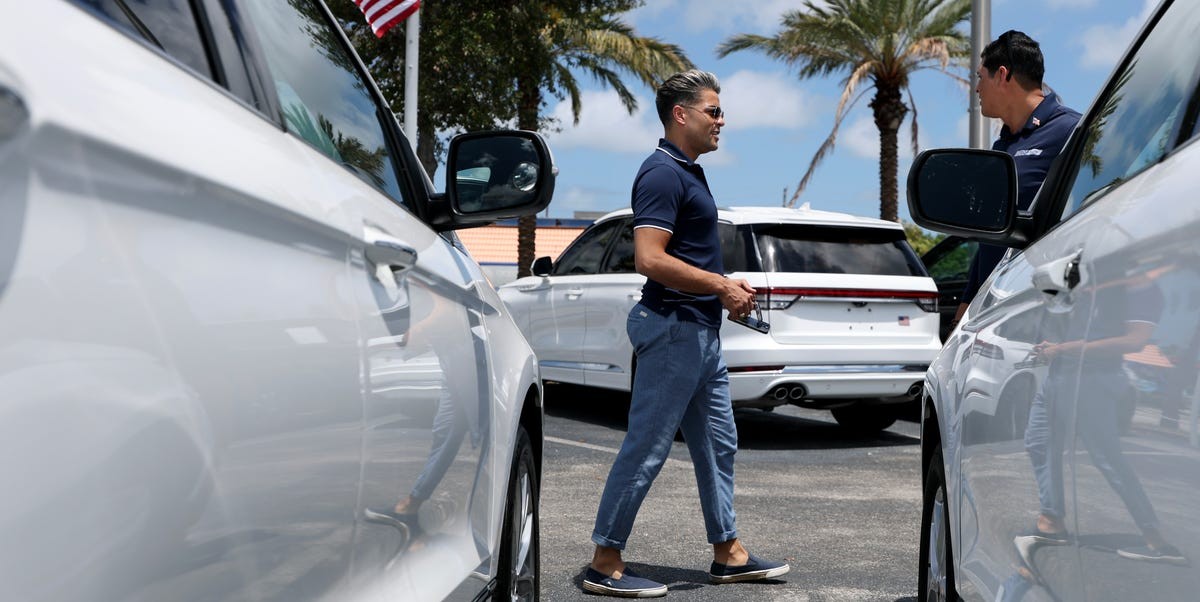
Buying a car is often less about choosing the right model and more about navigating a minefield of hidden costs. Dealerships frequently rely on “gotcha” fees—documentation charges, acquisition fees, and prep costs—to pad their profit margins after luring you in with a low advertised price.
While taxes and registration are fixed government mandates, dealer-controlled fees are often negotiable. By shifting your focus from the sticker price to the final out-the-door (OTD) cost, you can bypass anxiety-inducing surprises and secure a fair deal. Here is how to take control of the negotiation process.
Verify the Real Price Before You Visit
The headline price you see online or in advertisements is rarely the final cost. It is a marketing tool designed to get you through the door, often omitting significant add-ons.
Before you spend time visiting the showroom, contact the dealer via email or phone. Request a detailed breakdown of all fees. This allows you to distinguish between:
* Non-negotiable costs: Sales tax, title, and registration fees (controlled by the state).
* Negotiable costs: Doc fees, dealer prep, advertising surcharges, and market adjustments (controlled by the dealer).
Pro Tip: Do not rely on the advertised price. Ask for a “drive-off-the-lot” quote in writing before you make the trip. This prevents you from being swayed by a fantasy price that doesn’t exist.
Scrutinize Eligibility for Discounts
Dealers often advertise prices that include every possible manufacturer rebate, assuming the buyer qualifies for all of them. In reality, many discounts are conditional.
Common exclusions include:
* Loyalty rebates: For existing customers of the brand.
* Conquest offers: For buyers trading in vehicles from competitor brands.
* Demographic incentives: For veterans, students, or healthcare workers.
If you do not meet these specific criteria, the advertised price is misleading. Ensure the quote you receive reflects only the discounts you actually qualify for.
Focus Exclusively on the Out-the-Door Price
The most effective strategy is to anchor the entire negotiation on the out-the-door (OTD) price. This is the total amount of money that leaves your bank account to drive the car home.
Discussing the vehicle’s base price alone is a trap; it leaves room for fees to inflate the total cost later. By focusing on the OTD price, you force transparency.
* If you have a trade-in: Ensure the trade-in credit is clearly included in the OTD quote and verify that it remains consistent throughout the negotiation.
* If fees are high: If a dealer refuses to waive “mandatory” fees, ask them to lower the vehicle’s base price by an equivalent amount. The source of the savings matters less than the final total.
Having a written quote from a competing dealership provides leverage. Politely ask the current dealer to match or beat that OTD price to earn your business.
Decline Unnecessary Add-Ons
Dealers make significant profits on aftermarket accessories, which are often bundled into the initial price breakdown without explicit consent. Common items include:
* Paint protection film
* VIN etching
* All-weather floor mats
* Fabric protection
Salespeople may present these as standard or non-removable. However, most are optional and can be removed from the invoice. If you do not want these items, explicitly request a revised quote without them. Even if some items have already been applied, they can often be reversed or deducted from the final price.
Conclusion
The key to a stress-free car purchase is preparation and persistence. By demanding a transparent out-the-door price, verifying discount eligibility, and refusing unnecessary add-ons, you shift the power dynamic in your favor. If the dealer refuses to meet your fair price, be prepared to walk away—your next best option is likely waiting at the next lot.