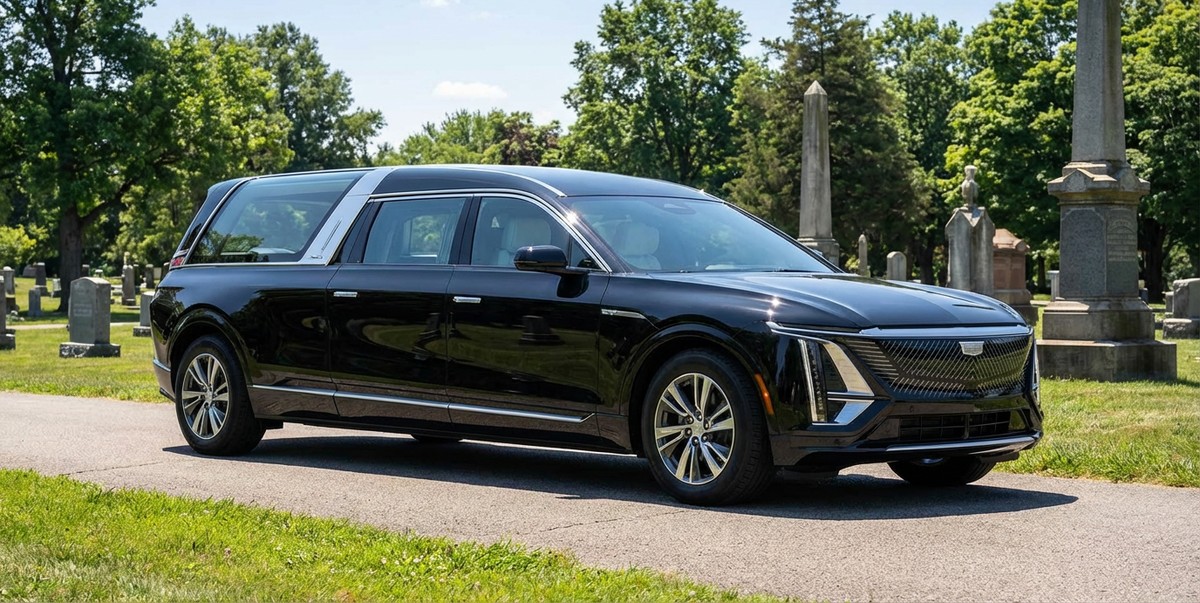
General Motors has officially expanded the reach of its Cadillac Lyriq platform into the funeral industry, offering a rear-wheel-drive professional-grade chassis to custom vehicle builders. This move marks a significant transition for a segment of the automotive world that has long relied on internal combustion engines, signaling that electric vehicles (EVs) are now viable for specialized, low-mileage, high-dignity applications.
A Modern Twist on a Timeless Tradition
The partnership between GM and Wolf Coach Builders, a Florida-based firm with over thirty years of experience, brings the Lyriq to life in two distinct hearse configurations. The Flagship Legacy offers a traditional, solemn aesthetic with a raised black roof and internal rollers for coffin placement. In contrast, the Panorama model features wraparound rear glass, designed for more public viewings or processions where visibility is desired.
This collaboration is not an isolated incident but rather the latest chapter in a decades-long relationship between Cadillac and the funeral industry. Since the 1950s, Cadillac’s commercial chassis served as the backbone for iconic hearses built by firms like Superior, Eureka, and Miller-Meteor. These vehicles were not just for funerals; they often doubled as ambulances before emergency medical services were standardized in the late 1970s. In some small towns, a single Cadillac could transport a patient to the hospital and, tragically, to the graveyard if the outcome was fatal.
Why Electric Makes Sense for Hearses
While the shift to electric might seem surprising for a niche market, the operational profile of a hearse makes it an ideal candidate for electrification. Hearses do not accumulate high mileage, but they require long-term reliability and minimal maintenance.
The Lyriq’s electric powertrain offers several distinct advantages for funeral directors:
* Silent Operation: The lack of engine noise contributes to a more serene and respectful atmosphere during processions.
* Low Maintenance: With fewer moving parts than a traditional internal combustion engine, the vehicle requires less routine servicing, reducing downtime.
* Professional Image: The sleek, modern design of the Lyriq projects a sense of contemporary dignity and discretion.
Cultural Impact and Iconic Heritage
The Cadillac hearse holds a unique place in automotive culture, symbolizing dignity and respect rather than mere transportation. This association extends beyond real-world usage into popular culture. The most famous example is the Ecto-1 from Ghostbusters, originally a white 1959 Miller-Meteor Duplex hearse. The vehicle’s iconic status highlights how deeply embedded these cars are in the public imagination, serving as symbols of both the solemnity of death and the whimsy of fiction.
While other cultures have their own unique funeral transport traditions—such as Japan’s ornate, temple-like hearses or the Isle of Man’s motorcycle sidecar coffins—the American preference for the Cadillac remains strong. The electric Lyriq hearse ensures that this tradition continues to evolve, blending historical respect with modern technology.
Conclusion
The introduction of the Cadillac Lyriq hearse represents a logical and respectful evolution for the funeral industry. By combining the brand’s historic association with dignity and reliability with the practical benefits of electric propulsion, GM is providing a solution that is both functional and fitting for the final journey. As the automotive landscape shifts toward electrification, even the most traditional sectors are finding new ways to honor the past while embracing the future.