The 2026 Peugeot 408 arrives not just as a vehicle, but as a statement of intent from the French manufacturer. While it may lack the immediate visual punch of competitors like the Mercedes-Benz GLC Coupé, the 408 closes the gap through sophisticated design and high-quality materials. This review highlights how Peugeot has successfully elevated its cabin experience to rival premium German offerings, creating a space that feels both luxurious and distinctly modern.
A Cabin Designed for Comfort and Style
The interior of the GT-spec 408 is a masterclass in texture and layout. The dashboard features artful contours and slimline air vents that sit neatly along the upper edge, while the transmission tunnel boasts a finish reminiscent of high-end kitchen appliances. This attention to detail signals a clear shift toward a more premium identity for the brand.
Key ergonomic highlights include:
* The “Amphitheatre” Layout: The high window line and concave dashboard create an immersive, GT-like atmosphere that wraps around the driver.
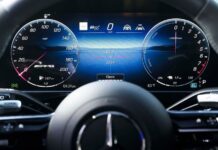
* Advanced Instrumentation: The digital instrument binnacle offers a convincing 3D effect, enhancing the sense of depth and technology.
* Intuitive Controls: The three-strata control array—combining a touchscreen, touch-sensitive menu panel, and physical toggle switches—offers an urbane and logical interface that drivers quickly appreciate.
Comfort is paramount in the 408. The multi-textured front seats are broad and enveloping, offering extensive electric adjustment. For those seeking extra luxury, the optional Driver & Passenger Seat Pack adds heating and massage functions, ensuring long journeys remain pleasant.
Driving Dynamics and Visibility
The Peugeot i-Cockpit, with its signature small-diameter steering wheel, requires a brief period of acclimatization. However, once familiar, the leather-trimmed rim sits naturally in the hands. Drivers should note that even at its lowest setting, the steering wheel can obscure the bottom of the instrument panel—a trade-off for the low-slung driving position.
Visibility is another area where form meets function. The sloping rear windscreen, while aesthetically striking, limits rearward visibility. However, this is a common compromise in fastback designs and is generally manageable with modern camera systems and mirrors.
Practicality and Storage
Despite its sporty silhouette, the 408 does not sacrifice practicality. Rear legroom is generous, and oddment storage is well thought out, allowing the 408 to outperform the older Peugeot 508 in passenger comfort.
Luggage Capacity Comparison:
* Peugeot 408 PHEV: 471 litres
* Peugeot 508 SW (Estate): 530 litres
While the 408 offers ample space for most family needs, those requiring maximum cargo volume might still prefer the dedicated estate version of the 508.
Infotainment and Connectivity
The 408 shares its infotainment DNA with other Stellantis group brands, resulting in a system that is familiar yet refined. The central 10-inch touchscreen strikes a balance between size and usability—it is large enough to avoid frustration but not so dominant as to overwhelm the dashboard.
System Features:
* Responsiveness: While occasional latency issues have been noted, the software generally operates seamlessly with crisp graphics.
* Physical Controls: A dedicated volume dial and steering wheel controls ensure that essential functions remain accessible without touching the screen.
* i-Toggles: Located below the touchscreen, these physical switches provide quick access to media, climate, navigation, and smartphone pairing functions.
* Connectivity: Wireless Apple CarPlay and Android Auto are supported, along with four USB-C ports (two front, two rear) and 12V sockets in both the cabin and boot.
Conclusion
The 2026 Peugeot 408 successfully bridges the gap between stylish fastback design and premium interior quality. By prioritizing ergonomic comfort, high-end materials, and intuitive technology, Peugeot has created a vehicle that competes confidently against established German rivals, offering a compelling package for buyers who value both aesthetics and everyday usability.