


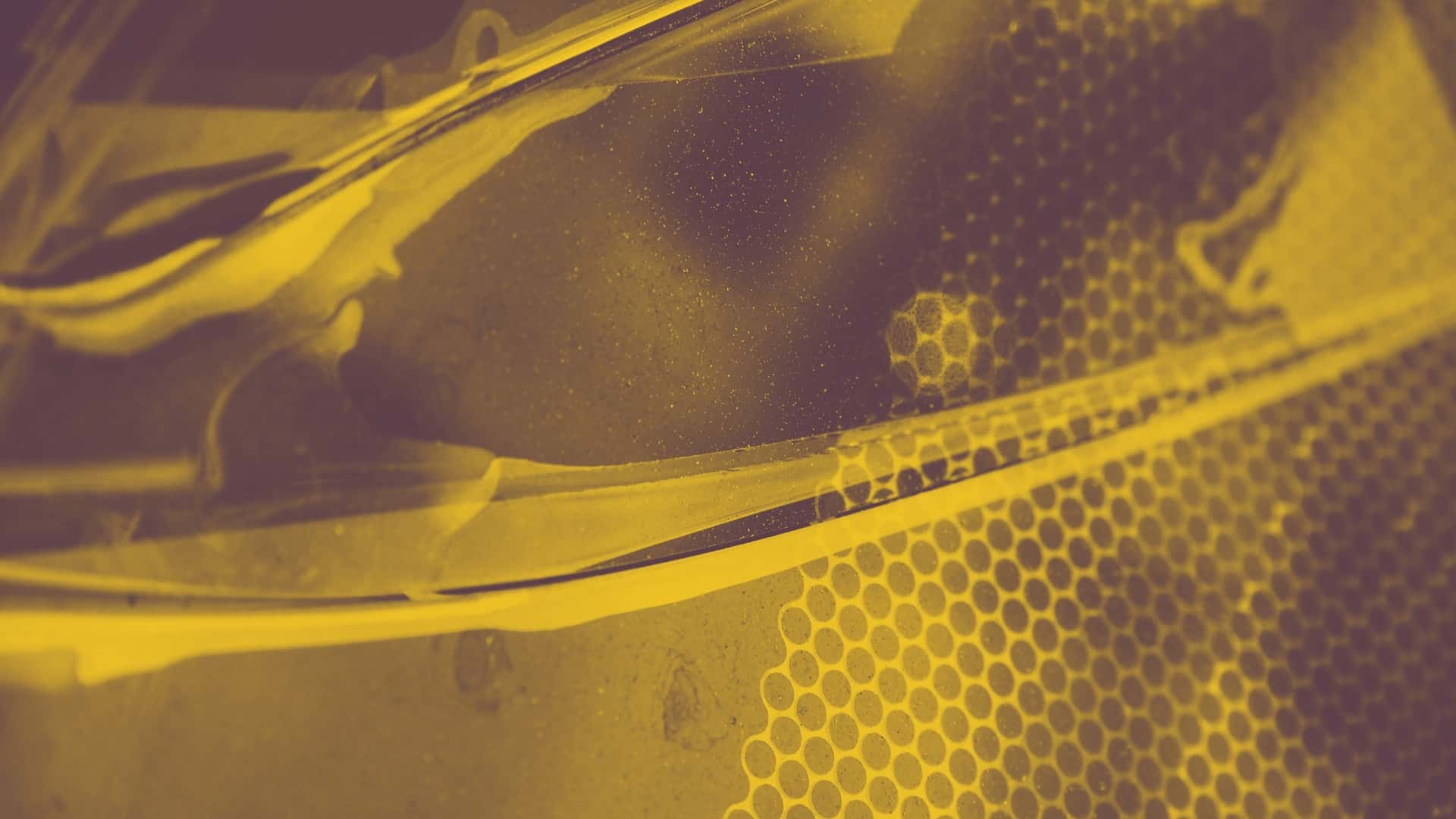
Look at almost any car today. Specifically, look at the glass in front of you. You’ll see a thick black line running along the perimeter. Then, just inside that border, the color doesn’t just stop. It fades.
Hundreds of tiny black dots blur into view.
Drivers ignore them. We glance at our phones or adjust the AC while the dots stare back, silent and unassuming. But those markings—the windshield frit dots or “dot matrix”—are doing heavy lifting. Without them, the structural integrity of your vehicle’s cabin could fail during a crash. The glue could dissolve. The glass might crack under thermal stress. And your car would look significantly less refined.
The Black Border Is Actually Ceramic
To understand the dots, you have to look at the border itself.
Older vehicles used rubber gaskets. You could pry the windshield out with a screwdriver. Modern cars? No such luxury. The glass is bonded directly to the metal body using high-strength polyurethane adhesive. This isn’t just glue holding a window in place. It’s a structural component. It stiffens the chassis. It helps prevent the roof from collapsing in a rollover.
So, what protects that adhesive from the sun’s relentless UV rays?
A strip of ceramic enamel baked directly onto the glass during manufacturing. It’s called the ceramic frit. It isn’t paint. It fuses to the glass. It won’t peel or flake off after five years.
This black border serves two main purposes. First, it shields the UV-sensitive adhesive from sunlight. If that glue is exposed to direct rays for a decade, it weakens. Second, it hides the messy glue line, giving the car a clean, factory-finished look.
But a solid black edge creates a new problem.
Why The Dots Exist: It’s All About Heat
If the black border already blocks UV light, you might wonder: why not just leave a solid black line? Why fade it into dots?
Thermal shock.
Ceramic absorbs heat. Clear glass lets it pass through. If you have a sharp, hard line where the black frit meets the clear glass, you get a massive temperature differential during manufacturing. The glass is heated to bend it into shape. The black section gets hot. The clear section stays relatively cool.
That difference causes uneven expansion. The result is optical distortion. Engineers call it “lensing.” You’d see waves or warps in your view of the road right where the glass meets the frame. Ugly. Dangerous.
The dots solve this.
By gradually reducing the density of the ceramic coating, manufacturers create a gradient. Think of a dimmer switch, not a light switch. You move slowly from opaque black to transparent clear. This smooths out the temperature transition across the glass pane. It minimizes distortion. It keeps the view of the road sharp.
Five Functions of the Windshield Frit Dots
These aren’t just aesthetic choices. They are engineering necessities. The tiny black dots perform specific, critical roles:
- UV Protection: They extend the UV-blocking zone slightly past the main black border, offering an extra layer of defense for the adhesive bond.
- Distortion Reduction: They facilitate the gradual thermal transition required to prevent lensing during the glass bending process.
- Heat Regulation: They help the windshield heat and cool evenly, preventing stress fractures in the glass.
- Aesthetic Camouflage: They disguise minor imperfections in the adhesive application. No manufacturing process is perfect. Small blobs of glue or uneven curing can look sloppy. The dot matrix breaks up these inconsistencies, creating a uniform gray-to-black fade that hides flaws.
- Sensor Concealment: Modern cars are packed with hardware. Cameras. Rain sensors. Light sensors. These usually mount behind the rearview mirror. The ceramic frit provides a clean, black backdrop that hides the mounting brackets and wiring, preventing a cluttered look.
The Hidden Tech Behind Your Rearview Mirror
If you’ve ever noticed the black area extending further into the glass near the top of the windshield, you’re seeing this design choice in action.
It’s not random.
That space typically houses the dashboard camera, lane-departure warning systems, or adaptive cruise control sensors. These components need a stable, unobstructed view of the road. They also generate heat. The additional ceramic coating helps manage the temperature around the sensor mount and hides the mechanical hardware attached to the glass.
If the dots stopped abruptly, you might see the metal clip holding the sensor. You’d see the wires. The frit keeps the tech invisible.
A Question That Goes Viral for a Reason
Why do these dots exist? It’s a question that pops up online with surprising frequency.
One Reddit thread, asking simply why every windshield has mysterious black dots around the edge, garnered over 18,000 upshots. The consensus? They are there to protect the glue and reduce distortion. But the sheer volume of comments revealed something else: people had no idea.
For years, we’ve stared at these patterns without realizing they are the difference between a secure windshield and one that could detach. Some enthusiasts even look for Easter eggs. Manufacturers occasionally print tiny shapes—cars, hearts, or symbols—into the dot matrix itself, visible only if you know where to look.
It’s a small detail.
But when you start paying attention to the windshield dot matrix, you can’t unsee it. It’s on every car you pass. A subtle, baked-in engineering solution that keeps your glass intact, your view clear, and your tech hidden. Until someone points it out, it’s just background noise.


