Look at your tires. If the inside edge is wearing down faster than the rest, you’ve got a problem. The walls are collapsing inward because there isn’t enough air supporting them. It’s not just about replacing tread sooner. It’s about heat. It’s about control. It’s about burning money.
When you drive on underinflated tires, you aren’t just cheating yourself at the pump. You’re inviting disaster. The U.S. Highway Traffic Safety Administration (NHTSA) didn’t invent temperature ratings for fun. They did it because rubber melts.
The Heat Trap and Fuel Waste
Underinflated tires increase rolling resistance. The rubber flexes more as you roll. That flexing generates heat. High heat breaks down tire structure. It leads to blowouts.
The UTQG system assigns a temperature grade to every tire. A, B, or C. C is the lowest. It assumes you keep the pressure right. If you’re low on pressure, that rating means nothing. You are guessing how much heat your tire can take now. You probably shouldn’t.
Fuel efficiency drops sharply. Your engine works harder. You burn more gas. You pay more. It’s a simple equation that most drivers ignore until the gas gauge hits empty faster than usual.
Load Ratings Are Conditional
Your car has a limit. Every tire has a load rating. That number tells you the max weight the tire can hold. But that rating is conditional. It assumes proper inflation on all four wheels.
Drop the pressure. The load capacity drops with it. You might think your SUV can haul that extra weight. If the tires are soft, they can’t support the load. The sidewalls bulge. The structure fails.
How to Fix It
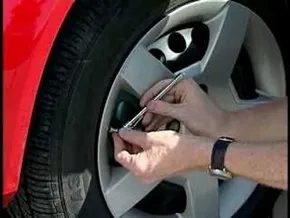
Check your pressure monthly. Buy a gauge. They cost five dollars. Check your owner’s handbook for the PSI recommendation. It’s not on the tire sidewall. That number is the max. The handbook has the real number.
Gas stations have pumps. Use them. If you’re below spec, fill it up. Do it yourself. Don’t wait for the light.
Underinflate Tires FAQ
What is normal tire temperature?
On a 70-degree day, highway driving heats tires to about 120 degrees. That’s standard. Caranddriver notes this baseline. Anything higher suggests friction issues. Or low pressure.
What happens if tire pressure is too high?
Overinflation causes center wear. The tread bulges in the middle. Uneven wear follows. High loads or excessive pressure raise blowout risk. Serious danger.
Is it better to over or under inflate tires?
Neither. Underinflation kills tread life. It kills fuel economy. It causes failure. Overinflation damages the tire structure. It wears faster. It risks blowouts. Pick the middle ground.
What will underinflated tires do?
They lose shape. The tread bends. Rolling resistance spikes. Temperature rises. Fuel economy falls. The tire wears down quicker. It fails sooner.
What does underinflating tires mean?
It means you’re below recommended PSI. Even 6 PSI under is underinflated. The tire isn’t fully charged. It’s struggling to hold the car up.